
Common Mistakes When Seeking Emergency Substance Abuse Help in South Florida
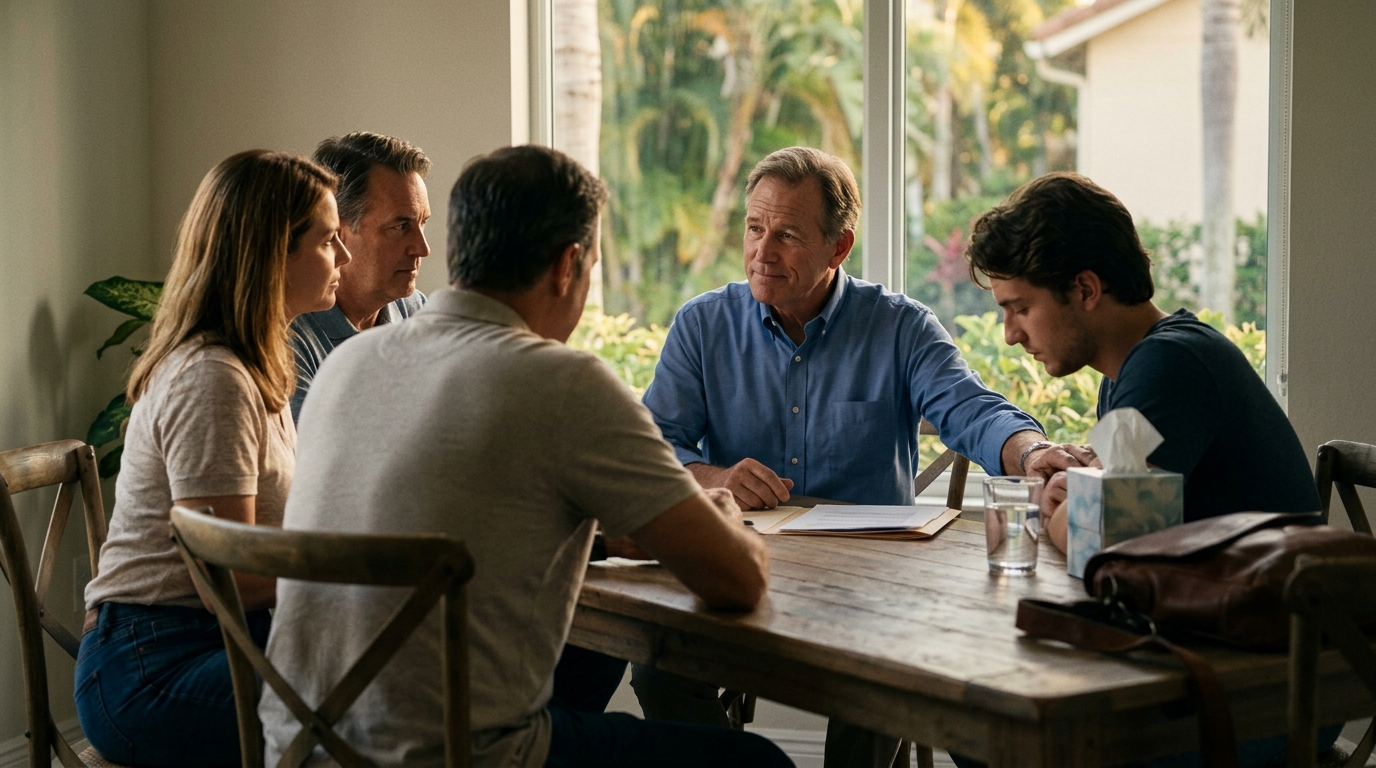
Substance abuse crises in South Florida escalate rapidly, often leaving families paralyzed by fear and uncertainty. According to the National Institute on Drug Abuse (NIDA), drug overdose deaths in Florida have surged significantly in recent years, with synthetic opioids like fentanyl driving much of this increase. When a loved one is in immediate danger, the window for effective intervention is narrow. Families often make critical errors during this high-stress period, delaying treatment or choosing ineffective strategies. Understanding these pitfalls is essential for securing immediate, life-saving care for your family member. (Florida Family Intervention Services)
Mistake 1: Waiting for "Rock Bottom" to Act
One of the most dangerous misconceptions in addiction recovery is the belief that an individual must hit "rock bottom" before they can seek help. This myth delays critical intervention until it is often too late. According to data from the Centers for Disease Control and Prevention (CDC), the risk of fatal overdose increases with each subsequent episode of substance use, particularly when tolerance drops after a period of abstinence. Waiting for a catastrophic event to occur is not a strategy; it is a gamble with a loved one's life.
Professional interventionists emphasize that early intervention yields better outcomes. When families act before a crisis becomes fatal, they can guide their loved one into treatment while they still have some capacity for decision-making. Jim Reidy, a Certified Intervention Professional (CIP), has spent over 15 years helping families navigate these complex decisions. His approach focuses on proactive engagement rather than reactive crisis management. By contacting a professional interventionist early, families can establish a structured path to treatment before the situation deteriorates further.
Mistake 2: Attempting DIY Interventions Without Expertise
Families often feel compelled to handle the situation themselves, believing they can manage the emotional dynamics of an intervention. However, addiction is a complex disease that alters brain chemistry and behavior. Research published in the Journal of Substance Abuse Treatment indicates that unstructured confrontations often lead to increased defensiveness and treatment refusal. Without professional guidance, well-meaning family members may inadvertently enable the behavior or trigger a violent response.
A professional intervention provides a controlled, compassionate environment where boundaries are clearly defined. At Intervention 365, we utilize the Johnson Model family intervention approach, which ensures that every participant is prepared and that the focus remains on treatment acceptance. This structured method prevents the conversation from devolving into blame or argument. Instead, it creates a unified front that demonstrates care and accountability. Families who attempt DIY interventions often find themselves exhausted and ineffective, whereas professional interventionists bring decades of experience to de-escalate tension and secure immediate placement.
Mistake 3: Ignoring Co-Occurring Mental Health Disorders
Substance abuse rarely exists in isolation. Many individuals struggling with addiction also suffer from underlying mental health conditions such as depression, anxiety, or bipolar disorder. According to the Substance Abuse and Mental Health Services Administration (SAMHSA), nearly half of all people with a substance use disorder also have a co-occurring mental illness. Failing to address both issues simultaneously leads to high relapse rates and prolonged suffering.
Effective treatment requires a dual-diagnosis approach. When seeking emergency help in South Florida, it is crucial to verify that the treatment facility offers integrated mental health care. Intervention 365 works closely with top-tier facilities that specialize in this comprehensive care model. By ignoring the mental health component, families risk placing their loved one in a program that only addresses the physical addiction, leaving the root causes of the behavior untreated. This oversight can result in a cycle of relapse and readmission that is difficult to break.
Mistake 4: Choosing a Rehab Facility Without Proper Assessment
Not all rehabilitation programs are created equal. Some facilities may offer luxury amenities but lack clinical rigor, while others may provide intense medical detox but insufficient aftercare planning. According to a report by the National Center for Biotechnology Information (NCBI), the level of medical supervision required for detox varies significantly based on the substance used and the individual's health history. Choosing a facility without a thorough assessment can lead to dangerous withdrawal symptoms or inadequate treatment.
Intervention 365 provides a critical assessment phase before any placement is made. We evaluate the individual's medical history, substance use patterns, and psychological needs to match them with the appropriate level of care. This might range from inpatient residential treatment to intensive outpatient programs. By skipping this step, families may end up in a setting that is either too restrictive or not restrictive enough, both of which can hinder recovery. Our team ensures that the transition from intervention to treatment is seamless and medically safe.
Mistake 5: Failing to Plan for Aftercare and Sober Living
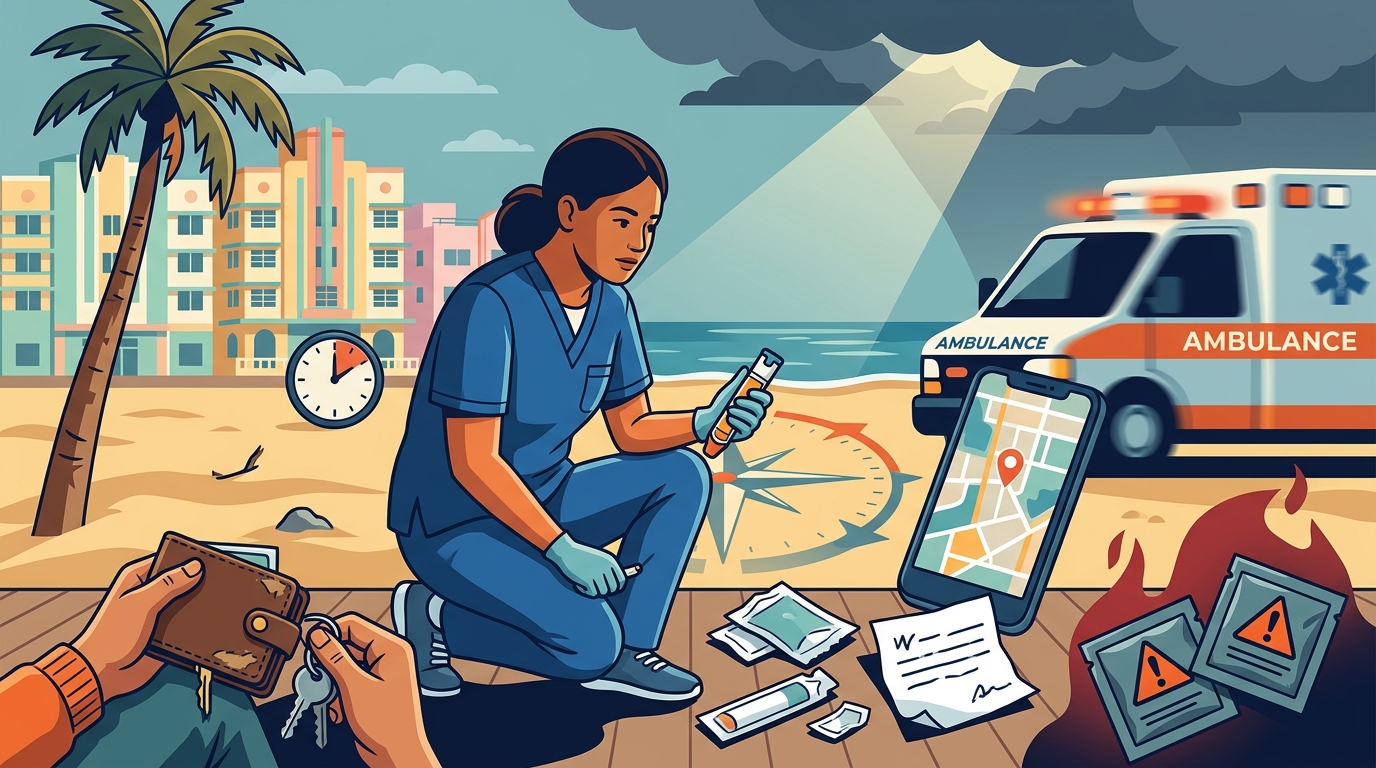
Detoxification is only the first step in the recovery journey. Many families focus intensely on getting their loved one into treatment but neglect to plan for what happens next. According to data from the National Institute on Drug Abuse (NIDA), relapse rates for substance use disorders are comparable to those of other chronic illnesses like hypertension and diabetes. Without a robust aftercare plan, the risk of returning to substance use is high.
Aftercare planning includes securing sober living arrangements, scheduling ongoing therapy, and establishing a support network. Intervention 365 acts as a sober escort to guide your loved one right into detox and rehab, but our support extends beyond the initial placement. We help families develop a long-term strategy that includes family education and ongoing coaching. This continuity of care is essential for sustaining recovery and preventing the individual from slipping back into old patterns.
Mistake 6: Neglecting Family Support and Education
Addiction affects the entire family system, not just the individual. Families often experience trauma, guilt, and confusion during the crisis. According to research from the American Psychological Association (APA), family involvement in treatment significantly improves long-term recovery outcomes. However, many families feel isolated and unsure of how to support their loved one without enabling the addiction.
Intervention 365 offers a Family Educational Library and ongoing coaching to help families understand the disease of addiction. We teach families how to set healthy boundaries, communicate effectively, and protect their own mental health. By neglecting this aspect, families may burn out or inadvertently sabotage the recovery process. Our goal is to empower families with the knowledge and tools they need to support their loved one's journey to sobriety while maintaining their own well-being.
Comparison of Intervention Approaches
| Approach | Professional Intervention | DIY Intervention | Medical Detox Only |
|---|---|---|---|
| Structure | Highly structured, Johnson Model | Unstructured, ad-hoc | Medical focus only |
| Family Support | Comprehensive coaching and education | Limited or none | Minimal |
| Treatment Placement | Assisted and coordinated | Self-managed | Immediate but isolated |
| Aftercare Planning | Integrated and long-term | Often neglected | Variable |
| Success Rate | Higher due to holistic support | Lower due to lack of expertise | Dependent on follow-up |
Key Takeaways
- Do Not Wait: Waiting for rock bottom increases the risk of fatal overdose and reduces the likelihood of successful treatment engagement.
- Hire a Professional: Certified interventionists like Jim Reidy provide the structure and expertise needed to secure immediate treatment acceptance.
- Address Dual Diagnosis: Ensure that any treatment facility addresses both substance abuse and co-occurring mental health disorders.
- Assess Before Placing: A thorough clinical assessment is necessary to match the individual with the appropriate level of care.
- Plan for Aftercare: Long-term recovery requires robust aftercare planning, including sober living and ongoing therapy.
- Support the Family: Family education and coaching are essential components of the intervention process to prevent burnout and enablement.
- Act Quickly: In South Florida, where substance abuse crises are prevalent, immediate action can save a life.
Frequently Asked Questions
What is the first step in an emergency substance abuse intervention?
The first step is to contact a professional interventionist who can assess the situation and guide the family through the initial planning phase. Immediate action is critical to prevent escalation.
How long does a professional intervention take?
A professional intervention typically takes one to two days, including preparation, the intervention meeting, and immediate treatment placement. The exact duration depends on the complexity of the case.
Can Intervention 365 help with mental health crises?
Yes, Intervention 365 specializes in both addiction and mental health interventions. We coordinate with specialized facilities to ensure comprehensive care for co-occurring disorders.
What is the Johnson Model of intervention?
The Johnson Model is a family-centered intervention approach that focuses on preparation, structure, compassion, accountability, and treatment readiness. It is designed to interrupt denial and guide the individual toward help.
Does Intervention 365 serve families outside of South Florida?
While we have a strong presence in South Florida, we also serve families throughout the East Coast, including Connecticut, New York, New Jersey, and other regions. Our team is available for remote consultations and on-site interventions.
How do I verify a treatment facility's credentials?
Verify that the facility is licensed and accredited by organizations such as The Joint Commission or CARF. Additionally, ensure they offer dual-diagnosis treatment and have a clear aftercare plan.
What should I do if my loved one refuses treatment?
If your loved one refuses treatment, a professional interventionist can help you implement consequences and boundaries that encourage acceptance. Our team is experienced in handling resistance and securing placement.
Take Action Now
If you or a loved one is facing a substance abuse crisis in South Florida, do not wait for the situation to worsen. Contact Intervention 365 today for immediate professional guidance. Our team of experienced interventionists is ready to help you navigate this difficult time with compassion and expertise. Call 888-972-8513 or visit our contact page to schedule a consultation. We are here to help you and your family find the path to recovery.