

Finding a certified interventionist you can trust requires verifying the Certified Intervention Professional (CIP) credential, checking case volume, and confirming direct access to the lead practitioner. Intervention 365 provides this level of transparency through Jim Reidy, a CIP with over 15 years of experience and 750+ completed interventions. This guide details the specific steps families must take to vet professionals, understand the Johnson Model, and secure safe treatment placement across the East Coast.
Certified Interventionist Credentials
A Certified Intervention Professional is a practitioner who has met specific educational, ethical, and experiential standards set by a recognized certification board. In the United States, the Pennsylvania Certification Board issues the CIP credential. This designation is not a state license, but it serves as the primary industry standard for professional competence. Families must verify that the interventionist holds this specific credential before committing to any services. according to Certified Case Manager
The CIP Number
Every valid CIP credential includes a unique registration number. For example, Jim Reidy holds CIP #10266. This number allows families to verify the practitioner's status directly through the issuing board. If a professional cannot provide their CIP number, they do not hold the certification. The number acts as a public record of their training and adherence to professional ethics.
Professional Association Membership
Membership in the Association of Intervention Specialists (AIS) is a critical secondary indicator of trust. The AIS maintains a public directory of members who agree to a code of ethics. This membership ensures the practitioner answers to a professional body rather than operating in isolation. Combining the CIP credential with AIS membership creates a robust baseline for professional accountability.
Verifying Case History and Experience
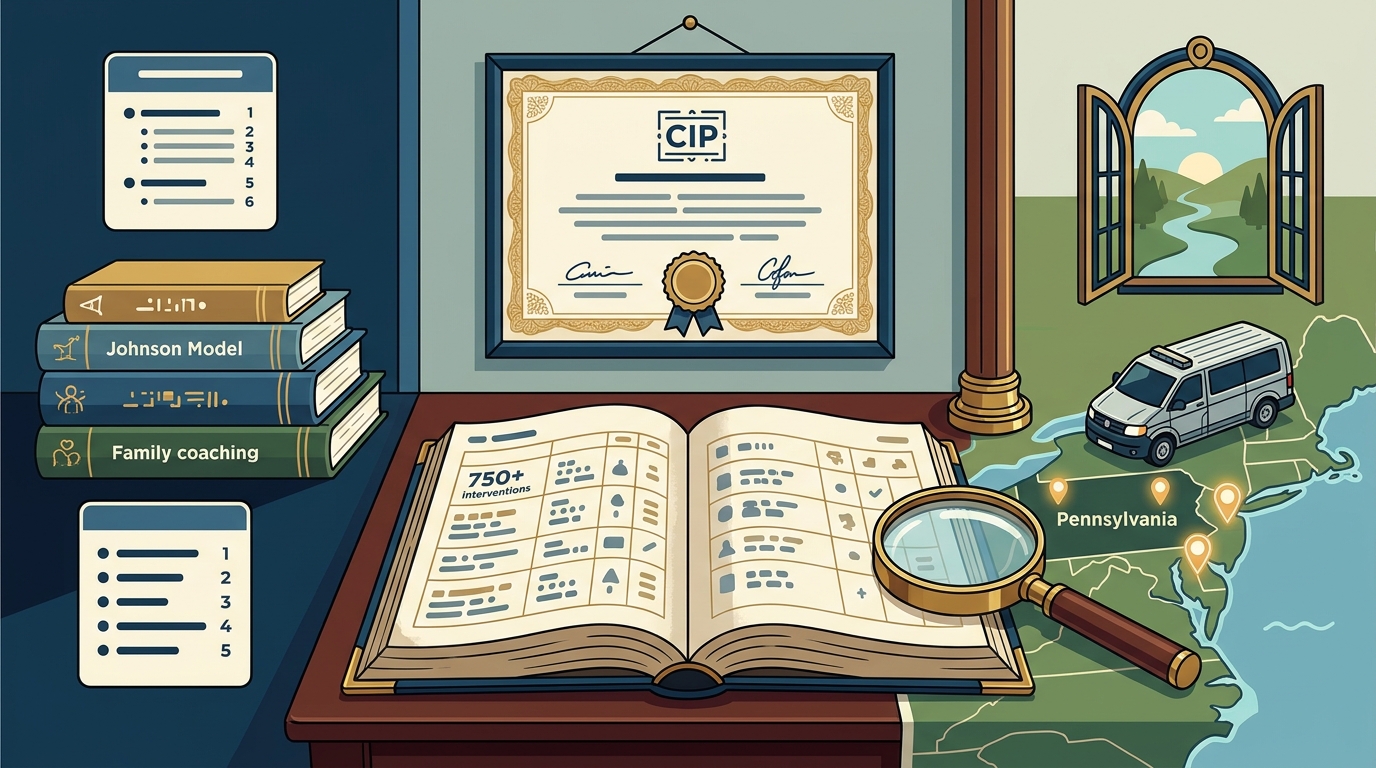
Case history is the practical proof of an interventionist's skill. While credentials prove training, the number of interventions led proves real-world capability. An interventionist with high case volume has encountered a wide variety of resistance patterns, co-occurring mental health issues, and family dynamics. This experience allows them to remain calm and structured during high-stakes family crises.
Personal Involvement
Families must ask who will personally lead the intervention. Some agencies sell the founder's reputation but send a different, less experienced staff member to the family's home. At Intervention 365, Jim Reidy personally leads every intervention. This direct involvement ensures that the family works with the specific professional whose credentials and case history they reviewed. The person who answers the phone is the person who stands in the living room.
Success Metrics
Success in this field is measured by treatment entry, not just the completion of a meeting. A professional interventionist focuses on getting the individual into appropriate care. Jim Reidy has led over 750 interventions in more than 15 years. This volume provides a depth of practical knowledge that is rare in the industry. It ensures the practitioner knows how to handle denial, anger, and the complex emotional shifts that occur during an intervention.
Understanding the Johnson Model
The Johnson Model is a structured, family-centered approach to intervention. It is not a confrontation or a surprise attack. Instead, it is a carefully planned process that involves family education, preparation, and a clear presentation of treatment options. This methodology is widely respected for its ability to de-escalate resistance and maintain the structural integrity of the family unit.
Preparation and Structure
Preparation is the core of the Johnson Model. The interventionist works with the family before the day of the intervention. They help family members understand addiction, prepare their statements, and agree on boundaries. This preparation ensures that the conversation remains focused on health and safety rather than blame. The structure of the meeting is designed to create a safe environment for the individual to hear the impact of their behavior.
Compassion and Accountability
The model balances compassion with accountability. Family members express their love and concern while clearly stating the consequences of continued substance use. The interventionist acts as a neutral mediator, ensuring the conversation stays on track. This approach helps bypass the defensive mechanisms that typically arise during unstructured confrontations. The goal is to present a clear path to treatment that the individual can accept voluntarily.
Treatment Placement and Logistics
An intervention succeeds when the individual enters treatment. Therefore, the interventionist must have a robust network for treatment placement. This includes access to detox programs, residential facilities, and dual-diagnosis centers. The bed must be ready before the conversation begins. A yes with nowhere to go often dies within hours.
Geographic Coverage
Intervention 365 provides services throughout the East Coast. This includes Pennsylvania, New Jersey, New York, Delaware, Maryland, Virginia, and Florida. The team handles the logistics of transportation and placement across these regions. Families do not have to navigate the complex healthcare systems alone. The interventionist coordinates directly with treatment facilities to ensure a seamless transition from the intervention to the first day of care.
Sober Transportation
Professional transport is a critical component of the service. After a successful intervention, the individual needs safe, sober transportation to the treatment facility. Intervention 365 provides this service, ensuring the individual arrives at the facility safely and ready to begin recovery. This logistical support removes a major barrier to entry for many families.
Family Coaching and Support
Addiction impacts the entire family system. Family coaching is an essential part of the intervention process. The interventionist educates family members on enabling behaviors, codependency, and healthy boundaries. This education empowers the family to support the individual's recovery long after the intervention is complete.
Communication Skills
Family coaching includes training in communication strategies. Family members learn how to speak to the individual without triggering defensiveness. They learn to use "I" statements and to focus on behaviors rather than character flaws. These skills are vital for maintaining a healthy relationship during the recovery process. The interventionist provides ongoing guidance to help the family navigate the challenges of addiction.
Post-Intervention Support
The work does not end when the individual enters treatment. The interventionist provides follow-up guidance for the family. This includes support for family members who may be experiencing burnout or grief. The family is coached on how to support the individual's sobriety while maintaining their own well-being. This holistic approach ensures that the family system is strengthened alongside the individual's recovery.
Comparing Service Models
Not all intervention services are created equal. The table below compares the key features of different service models. This comparison helps families identify the level of support they need.
| Credential Verification | N/A | Varies | CIP #10266, AIS Member | Lead Practitioner | Family Member | Often a substitute | Jim Reidy (Direct Access) | Case Volume | N/A | Varies | 750+ Interventions | Treatment Placement | Family Arranges | Basic Referral | Full Coordination and Transport | Family Coaching | None | Limited | Comprehensive Education |
The differences in these models are significant. A DIY intervention lacks the structure and neutrality required for success. General agencies may lack the direct access to an experienced lead. Intervention 365 provides a comprehensive package that includes verified credentials, direct access to the lead, and full logistical support.
Key Takeaways
- Verify the CIP credential and number before hiring any interventionist.
- Check for membership in the Association of Intervention Specialists.
- Ask for the specific number of interventions the lead has personally completed.
- Ensure the person you speak to is the person who will lead the intervention.
- Confirm that treatment placement and transport are included in the service.
- Understand the Johnson Model and its emphasis on preparation and structure.
- Seek family coaching to support the entire family system during recovery.
Frequently Asked Questions
What is a Certified Intervention Professional?
A Certified Intervention Professional is a practitioner who has met specific standards set by the Pennsylvania Certification Board. This credential indicates that the individual has completed the required education and training in intervention techniques.
How do I verify an interventionist's credentials?
You can verify credentials by asking for the CIP number and checking it with the issuing board. You can also check the Association of Intervention Specialists directory for membership status.
Who will lead my intervention?
At Intervention 365, Jim Reidy personally leads every intervention. You will speak directly with him before making any commitment. This ensures you are working with the experienced professional you reviewed.
What is the Johnson Model?
The Johnson Model is a structured, family-centered approach to intervention. It involves preparation, education, and a clear presentation of treatment options. It is designed to be compassionate and non-confrontational.
Does Intervention 365 provide treatment placement?
Yes, Intervention 365 provides full treatment coordination. This includes finding the right facility, arranging admission, and providing sober transportation to the treatment center.
What areas does Intervention 365 serve?
Intervention 365 serves families throughout the East Coast. This includes Pennsylvania, New Jersey, New York, Delaware, Maryland, Virginia, and Florida.
How much experience does Jim Reidy have?
Jim Reidy has over 15 years of experience and has led more than 750 interventions. This extensive case history provides a depth of practical knowledge that is rare in the field.
Conclusion
Choosing the right interventionist is a critical decision for any family facing addiction. By verifying credentials, checking case history, and understanding the methodology, you can find a professional you can trust. Intervention 365 offers the transparency and expertise families need. To begin the process, for a confidential consultation.