

7 Reasons People Accept Treatment After a Professional Intervention
Professional interventions create a structured environment that shifts a loved one from resistance to action. By combining family unity, clear boundaries, and immediate treatment access, these sessions remove the barriers that typically prevent recovery. This listicle outlines the primary psychological and logistical drivers that lead individuals to accept care.
1. The Power of Unified Family Communication
A single, cohesive message eliminates the confusion caused by mixed signals. When family members speak with one voice, the individual cannot play relatives against each other. This unity demonstrates that the family has moved past individual grievances to focus on a shared goal of health.
2. Immediate Access to Treatment Placement
Removing the logistical barrier of finding a bed increases the likelihood of admission. A professional interventionist, such as Jim Reidy, coordinates treatment placement before the meeting occurs. This ensures that if the individual says yes, they can be transported to care immediately, preventing the momentum from fading.
3. The Johnson Model Structure
The Johnson Model is a structured, family-centered approach that prioritizes preparation over confrontation. This method allows the family to present facts and feelings in a calm, organized manner. It reduces the emotional volatility that often causes individuals to shut down or leave the room.
4. Professional Mediation and Emotional Safety
Neutral mediation ensures the conversation remains focused on empathy rather than blame. An experienced interventionist manages the room's energy, preventing the session from devolving into an argument. This creates a safe space where the individual feels heard rather than attacked.
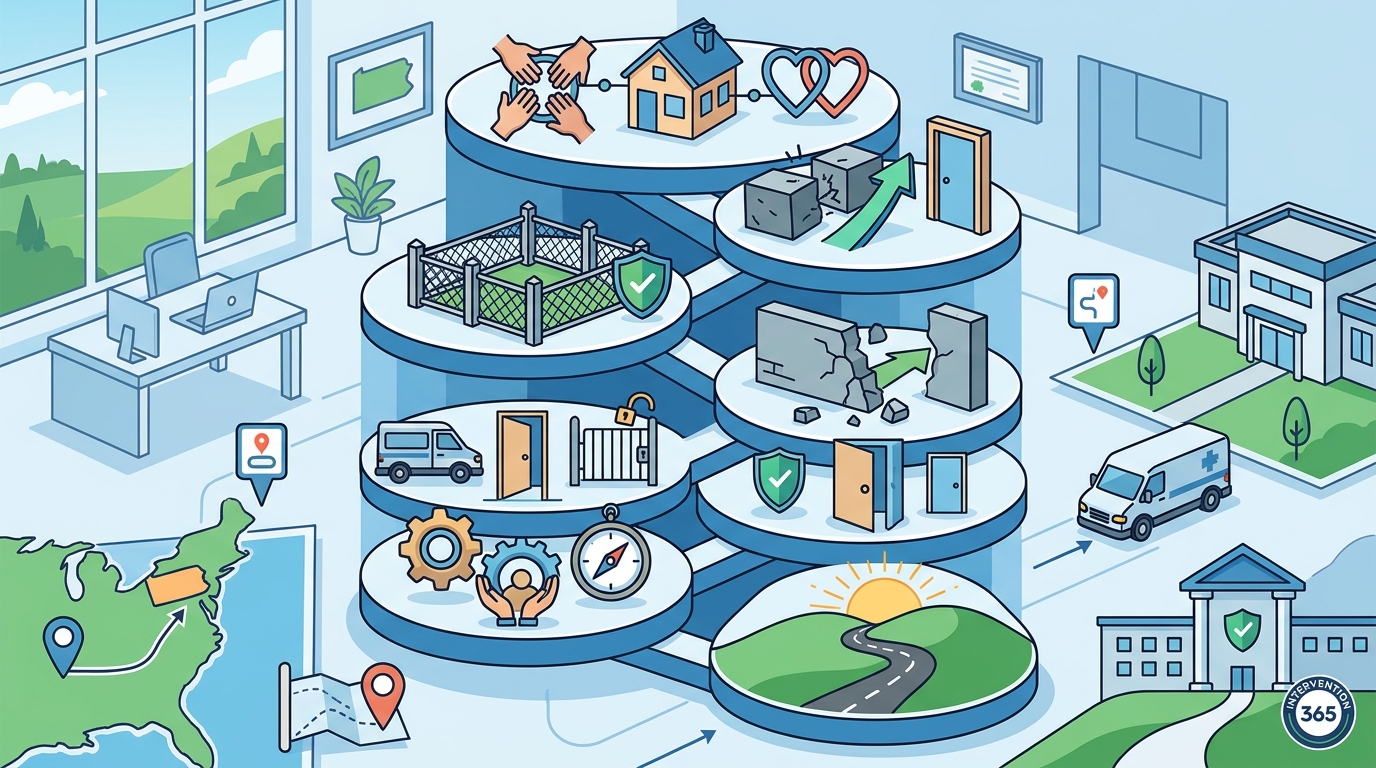
5. Breaking the Cycle of Denial
Confronting the reality of addiction with evidence helps bypass defensive mechanisms. Families often struggle to break through denial because they lack the clinical perspective to explain the severity of the situation. A professional provides the objective truth that the individual may have been avoiding.
6. Clear Establishment of Boundaries
Defining consequences for continued use removes the safety net of enabling. When an individual realizes that their family will no longer support their addiction, the incentive to change increases. This shift from enabling to accountability is a critical driver for treatment acceptance.
7. Professional Transport and Sober Escort
Safe, professional transport ensures the individual reaches the treatment facility without relapse. The transition from the intervention to the clinic is a high-risk period. A sober escort provides the necessary support to bridge the gap between the decision to change and the start of clinical care.
Choosing the Right Approach
Success depends on selecting a professional who prioritizes family education and immediate logistical support. Families should look for interventionists who offer comprehensive services, including treatment placement and transport, to ensure the intervention leads to actual admission.
Frequently Asked Questions
What is the Johnson Model of intervention?
The Johnson Model is a structured, family-centered intervention approach that focuses on preparation, unity, and a single, clear message to the individual.
How long does a professional intervention take?
A professional intervention typically takes between two and four hours, depending on the individual's response and the complexity of the family dynamics.
Can an interventionist guarantee treatment acceptance?
No professional can guarantee acceptance, but a well-planned intervention significantly increases the likelihood by removing logistical barriers and providing a clear path to care.
What happens if the individual refuses treatment?
If the individual refuses, the family implements the pre-established boundaries and consequences, maintaining their commitment to their own well-being while leaving the door open for future help.
Who should be present during an intervention?
Only the most supportive and stable family members should be present, as selected by the interventionist to ensure the message remains clear and the environment remains safe.