

Addiction is a complex disease that affects the entire family system, not just the individual struggling with substance use. When a loved one reaches a critical point, families often feel overwhelmed, confused, and desperate for a solution. The decision to hire a professional interventionist is one of the most significant steps a family can take toward recovery. However, not all intervention services are created equal. Evaluating new intervention providers requires a careful assessment of their credentials, methodology, geographic reach, and track record of success. This guide provides a structured framework for families to make informed decisions when selecting an intervention partner.
Understanding Intervention Models
Before evaluating specific providers, it is essential to understand the different approaches to intervention. The most widely recognized method is the Johnson Model. This approach involves a structured meeting where family members and friends present a pre-planned plan for treatment. The goal is to break through denial and encourage the individual to accept help immediately.
Another approach is the Arlington Model, which is more conversational and less confrontational. It focuses on building a relationship with the individual before the intervention takes place. A third method is the Systemic Family Intervention, which views addiction as a family system issue and involves all members in the process. Understanding these models helps families determine which style aligns with their loved one's personality and the family dynamic.
Professional interventionists often specialize in one or more of these models. For example, Jim Reidy, CIP utilizes the Johnson Model family intervention approach, which has been proven effective in high-stakes situations. This model is particularly useful when the individual is in severe denial or has resisted previous attempts at help.
Evaluating Credentials and Experience
When hiring an interventionist, credentials matter. Look for professionals who are certified by recognized bodies such as the Association of Intervention Specialists. Certification ensures that the professional has met specific educational and ethical standards. Additionally, years of experience are a critical indicator of competence. An interventionist with over 15 years of experience has likely encountered a wide variety of scenarios and developed the skills to handle complex family dynamics.
Experience also includes the number of interventions conducted. A professional who has facilitated hundreds of interventions is more likely to remain calm and effective under pressure. For instance, Jim Reidy has conducted over 750 interventions, providing a wealth of practical knowledge. This volume of experience translates to a deeper understanding of the nuances involved in each unique situation.
It is also important to check for any disciplinary history or lack of professional recognition. Reputable interventionists are often featured in media or recognized by their peers. Jim Reidy was featured on A&E’s Intervention, Season 20, which highlights his expertise and the high-profile nature of the cases he handles. Such recognition can serve as a testament to their skill and reputation in the field.
Geographic Coverage and Logistics
Addiction does not respect borders, but intervention services often do. It is crucial to choose a provider who can operate in your specific location. Some interventionists are local, while others, like Intervention 365, serve multiple states across the East Coast. This broad coverage allows for flexibility and ensures that families in less populated areas can access high-quality services.
Geographic coverage also impacts logistics. If the interventionist can travel to your location, it reduces the burden on the family to coordinate travel for the professional. Additionally, local knowledge of treatment facilities is invaluable. An interventionist familiar with the local rehab landscape can quickly place a loved one in appropriate care. Intervention 365 in Connecticut provides a prime example of this localized expertise, offering tailored services for families in that region.
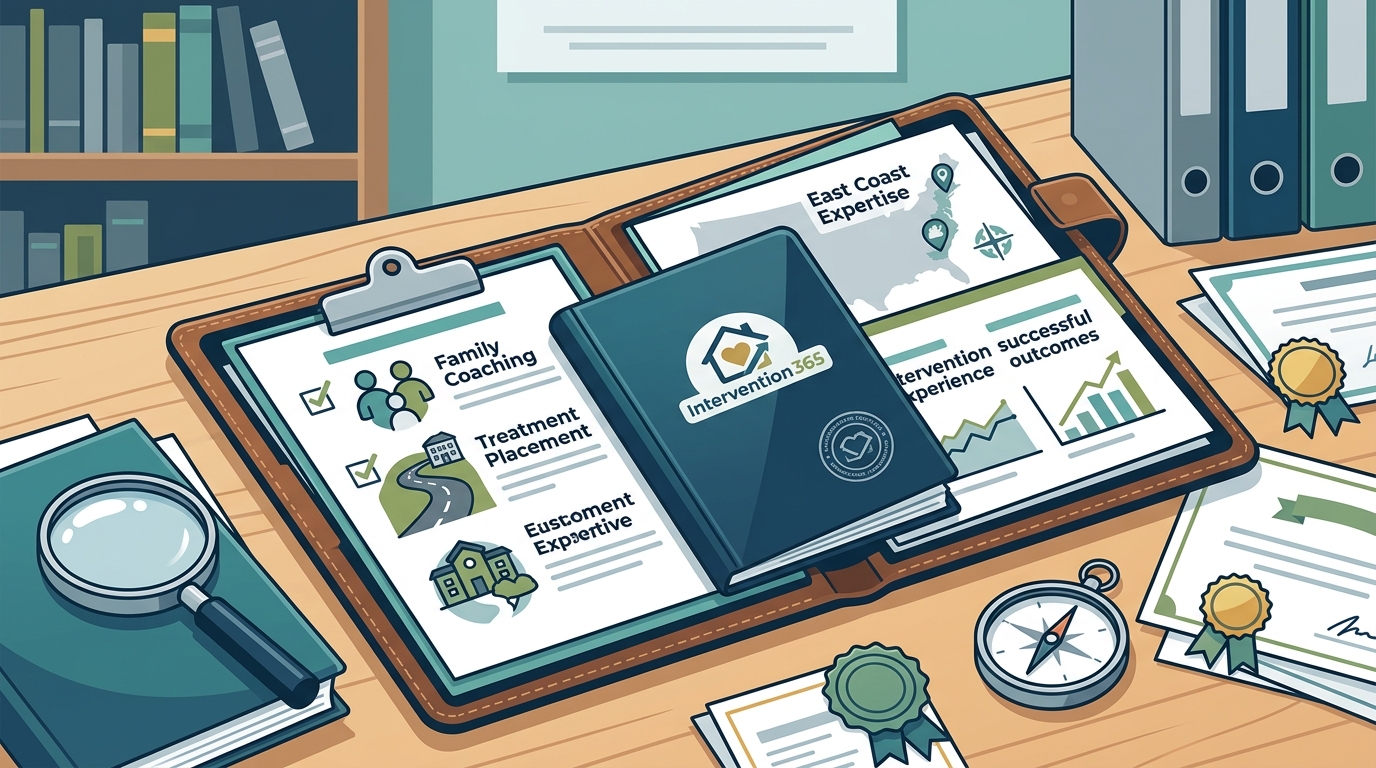
Consider the following states where Intervention 365 provides services: Ohio, Maine, New Hampshire, Massachusetts, Rhode Island, Connecticut, New York, New Jersey, Delaware, Maryland, Virginia, North Carolina, Georgia, and Florida. This extensive network ensures that families across a large geographic area have access to professional support.
Comparing Service Offerings
Different interventionists offer varying levels of support. Some may only facilitate the intervention meeting, while others provide comprehensive family coaching, treatment coordination, and post-intervention support. It is important to understand what is included in the service package. Look for providers who offer a holistic approach that addresses the needs of the entire family.
Alcohol intervention services often include family education, communication restructuring, and boundary development. These components are essential for long-term recovery and preventing relapse. Additionally, some providers offer sober escort services to ensure the individual gets to treatment safely. This level of care can reduce anxiety and ensure a smooth transition to recovery.
| Service Component | Description | Benefit to Family |
|---|---|---|
| Intervention Planning | Pre-meeting preparation and strategy development. | Ensures a structured and effective intervention. |
| Family Coaching | Guidance for family members on communication and boundaries. | Reduces family conflict and supports recovery. |
| Treatment Coordination | Assistance in finding and securing appropriate rehab placement. | Accelerates access to care and reduces delays. |
| Sober Escort | Professional accompaniment to treatment facilities. | Ensures safe and immediate transition to care. |
When evaluating providers, ask about their post-intervention support. Recovery is a long-term process, and ongoing support can make a significant difference. Family educational resources can provide valuable information and tools for families navigating this journey. These resources help families understand the disease of addiction and how to support their loved one effectively.
Key Takeaways
- Credentials Matter: Look for Certified Intervention Professionals (CIP) with membership in the Association of Intervention Specialists.
- Experience Counts: Providers with 15+ years of experience and hundreds of interventions offer proven expertise.
- Geographic Reach: Choose a provider who can serve your specific location and understands local treatment options.
- Holistic Approach: Select a service that includes family coaching, treatment coordination, and post-intervention support.
- Proven Track Record: Media features and positive client reviews are indicators of reliability and effectiveness.
- Immediate Action: Do not wait for rock bottom; professional help can prevent tragedy and save lives.
- Compassionate Care: The best interventionists combine professionalism with deep empathy and understanding.
Frequently Asked Questions
What is the Johnson Model of intervention?
The Johnson Model is a structured intervention approach where family members and friends present a pre-planned treatment plan to the individual. It is designed to break through denial and encourage immediate acceptance of help.
How do I choose the right interventionist?
Evaluate their credentials, years of experience, geographic coverage, and service offerings. Look for certified professionals with a strong track record of success and positive client reviews.
Does Intervention 365 serve my state?
Intervention 365 serves families across the East Coast, including Ohio, Maine, New Hampshire, Massachusetts, Rhode Island, Connecticut, New York, New Jersey, Delaware, Maryland, Virginia, North Carolina, Georgia, and Florida.
What happens after the intervention?
After the intervention, the interventionist typically assists with treatment coordination and may provide a sober escort to ensure the individual gets to rehab safely. Ongoing family support is also often available.
Can an interventionist help with alcohol addiction?
Yes, professional interventionists specialize in various types of addiction, including alcoholism. They provide tailored services to address the specific needs of individuals struggling with alcohol dependency.
Is an intervention confrontational?
While the Johnson Model can be firm, it is not about punishment or humiliation. It is a compassionate and structured process designed to help the individual recognize the seriousness of their addiction and accept help.
How much does an intervention cost?
Costs vary depending on the provider and the scope of services. It is best to contact the interventionist directly for a detailed quote. Many providers offer flexible payment options and insurance verification.
Take the Next Step Toward Recovery
Evaluating new addiction intervention services is a critical step in helping your loved one. By focusing on credentials, experience, and comprehensive support, you can find a partner who will guide your family through this challenging time. Intervention 365 offers professional intervention services, family coaching, and treatment coordination for families across the East Coast. Contact us today to learn more about how we can help your family. Call 888-972-8513 to speak with a professional interventionist now.