

Choosing the right intervention strategy is often the most critical decision a family faces during a crisis. According to the National Institute on Drug Abuse, over 48 million people in the United States struggled with a substance use disorder in 2022, highlighting the urgent need for effective, structured support systems. Families often feel paralyzed by the fear of making the wrong choice, which can delay life-saving treatment. Understanding the nuances between different intervention models is essential for maximizing the likelihood of a successful outcome. This guide breaks down the primary methodologies to help you make an informed decision for your loved one. (Florida Family Intervention Services)
The Johnson Model: Structure and Confrontation
The Johnson Model is the most widely recognized intervention framework, largely due to its portrayal in media and its long-standing presence in the recovery industry. It is a structured, confrontational approach designed to break through the denial that typically accompanies addiction.
How It Works
Interventionists lead the family and friends in a carefully planned meeting. The process involves rehearsing statements, selecting specific treatment options, and establishing firm boundaries. The individual is presented with a united front, leaving them with no escape from the reality of their situation.
Best For
This model is often recommended for individuals who are in deep denial or have a history of resisting help. It requires a high degree of coordination among participants and is most effective when led by a certified professional. Jim Reidy, a Certified Intervention Professional, utilizes this approach to provide structure and accountability for families across the East Coast.
Pros and Cons
The primary advantage is its clarity and decisiveness. It removes ambiguity and forces immediate decision-making. However, the confrontational nature can sometimes trigger defensiveness or anger in individuals who are not ready for such direct pressure. It requires a strong support network willing to follow through on stated consequences.
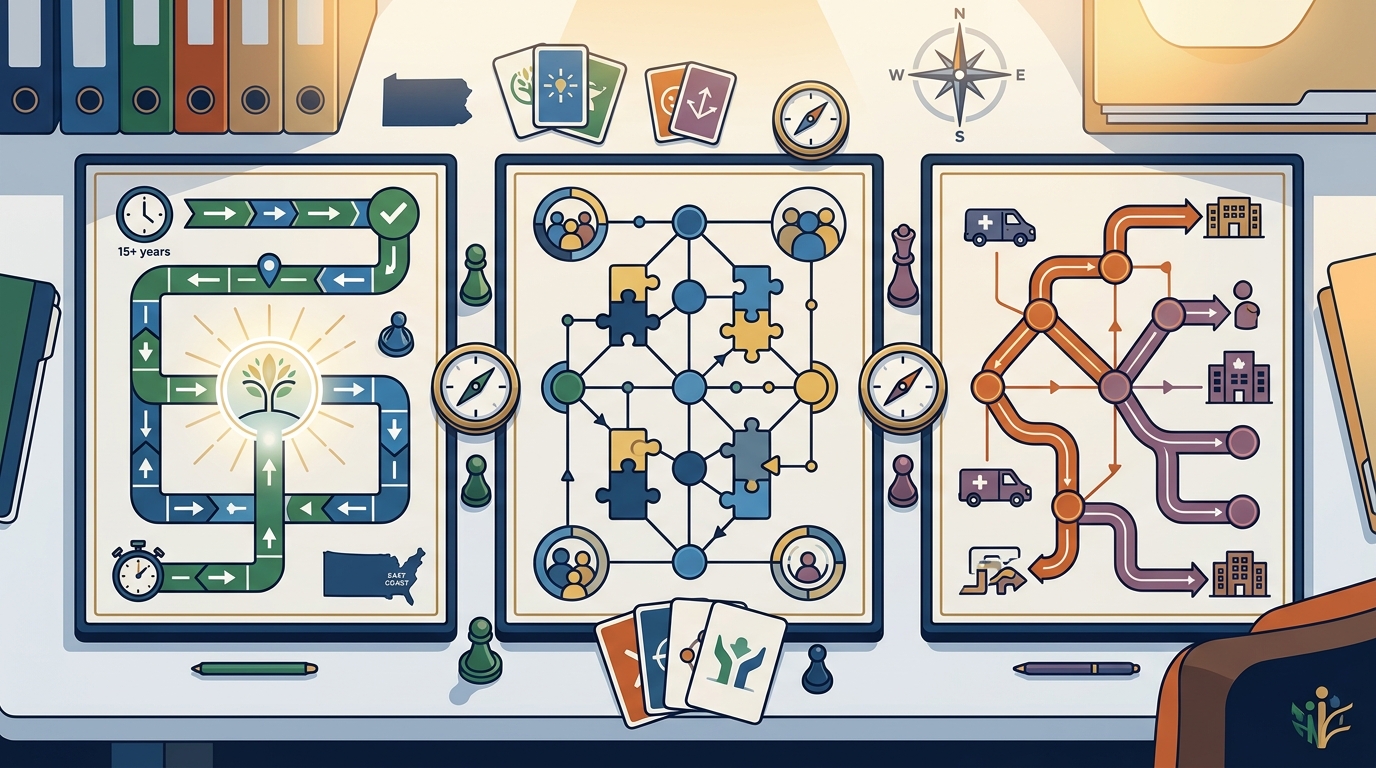
The ARISE Model: Relational and Collaborative
ARISE stands for A Systemic Approach to Recovery through Engagement. Unlike the Johnson Model, ARISE is non-confrontational and focuses on building relationships rather than breaking them down. It is designed to engage the individual in a dialogue about their behavior and its impact on others.
How It Works
The process begins with the family and friends meeting with an interventionist to discuss their concerns. Instead of a single dramatic event, ARISE involves a series of conversations over time. The goal is to help the individual recognize their own patterns and choose recovery voluntarily. It emphasizes empathy and understanding over ultimatums.
Best For
ARISE is ideal for individuals who are resistant to confrontation or have strained relationships with their support network. It works well for those who value autonomy and may feel alienated by traditional intervention tactics. It is particularly effective in complex family dynamics where trust has been eroded.
Pros and Cons
The main benefit is its ability to preserve relationships and reduce defensiveness. It allows the individual to maintain dignity while exploring change. The downside is that it requires more time and patience. It may not be suitable for cases requiring immediate intervention due to imminent danger or rapid health decline.
The CRAFT Model: Behavioral and Non-Confrontational
CRAFT stands for Community Reinforcement and Family Training. It is a behavioral approach that teaches family members how to change their own behavior to encourage positive change in the addicted individual. It is evidence-based and focuses on reinforcement rather than punishment.
How It Works
Family members learn to identify triggers, set boundaries, and reward sober behavior while withdrawing reinforcement from drug-seeking behavior. The model empowers families to take control of their own well-being while subtly influencing the individual to seek treatment. It does not require the individual to participate in the training.
Best For
CRAFT is excellent for families who feel powerless or exhausted by previous attempts to help. It is particularly useful when the individual is not yet ready to admit they have a problem. It provides practical tools for managing daily interactions and reducing conflict.
Pros and Cons
The strength of CRAFT lies in its focus on family health and sustainable behavior change. It reduces caregiver burnout and improves overall family dynamics. However, it requires consistent effort and may take longer to see results compared to more direct interventions. It is not a quick fix but a long-term strategy for recovery.
Comparative Analysis of Intervention Approaches
Understanding the differences between these models is crucial for selecting the right path. The table below summarizes the key distinctions to aid in your decision-making process.
| Feature | Johnson Model | ARISE Model | CRAFT Model |
|---|---|---|---|
| Approach | Confrontational | Relational | Behavioral |
| Structure | Single Event | Series of Conversations | Ongoing Training |
| Focus | Breaking Denial | Building Trust | Changing Dynamics |
| Best For | Deep Denial | Strained Relationships | Powerless Families |
| Professional Lead | Required | Recommended | Optional |
Key Takeaways for Families
- Johnson Model is best for immediate action and breaking through severe denial.
- ARISE Model preserves relationships and works well for resistant individuals.
- CRAFT Model empowers families with behavioral tools and reduces burnout.
- Professional Guidance is critical for all models to ensure safety and effectiveness.
- Jim Reidy has conducted over 750 interventions, providing extensive experience in these methodologies.
- Treatment Readiness varies by individual; the model must match the person's psychological state.
- Family Education is a core component of all successful interventions, regardless of the model chosen.
Frequently Asked Questions
Which intervention model is the most effective?
Effectiveness depends on the individual's personality and the family dynamic. The Johnson Model is often more effective for those in deep denial, while ARISE and CRAFT may work better for those with strained relationships or high resistance to confrontation.
Can I conduct an intervention without a professional?
While possible, it is highly discouraged. Professional interventionists like Jim Reidy bring expertise in managing crises, ensuring safety, and coordinating treatment placement. Untrained interventions often fail or damage relationships further.
What is the difference between ARISE and CRAFT?
ARISE is a collaborative process involving the individual in a series of conversations to build trust. CRAFT is a behavioral training for family members to change their own actions and reinforce sober behavior without direct confrontation.
How long does a Johnson Model intervention take?
The planning phase can take several weeks to ensure all details are perfect. The actual intervention meeting typically lasts a few hours, depending on the individual's response and the urgency of treatment placement.
Is intervention only for alcohol addiction?
No, interventions are used for various substance use disorders, including opioids, cocaine, and methamphetamine. They can also address behavioral addictions and mental health crises.
What happens after a successful intervention?
Immediate treatment placement is the standard next step. The family then transitions to ongoing support, including family therapy and aftercare planning to sustain recovery.
How do I know which model to choose?
Consult with a certified interventionist who can assess the situation. Factors like the individual's history, family dynamics, and the severity of addiction will guide the recommendation.
Contact Intervention 365
Choosing the right intervention model is a pivotal step toward recovery. Intervention 365 offers expert guidance tailored to your family's unique needs. With over 15 years of experience and a proven track record of success, Jim Reidy and his team are ready to help you navigate this challenging time. Do not wait for rock bottom to occur. Take action today by visiting our contact page or calling 888-972-8513 to speak with a professional interventionist. We are here to provide the compassion, structure, and accountability your family needs to secure a brighter future.