

When a family faces the crisis of a loved one struggling with addiction, the margin for error is nonexistent. The stakes involve not just treatment placement, but the immediate safety and long-term survival of the individual in crisis. According to the National Institute on Drug Abuse, there were over 107,000 drug overdose deaths in the United States in 2022, highlighting the critical need for effective, professional intervention strategies. Choosing a certified interventionist is not merely a preference; it is a safeguard against the chaos that often accompanies untreated substance use disorders.
What Does CIP Certification Mean?
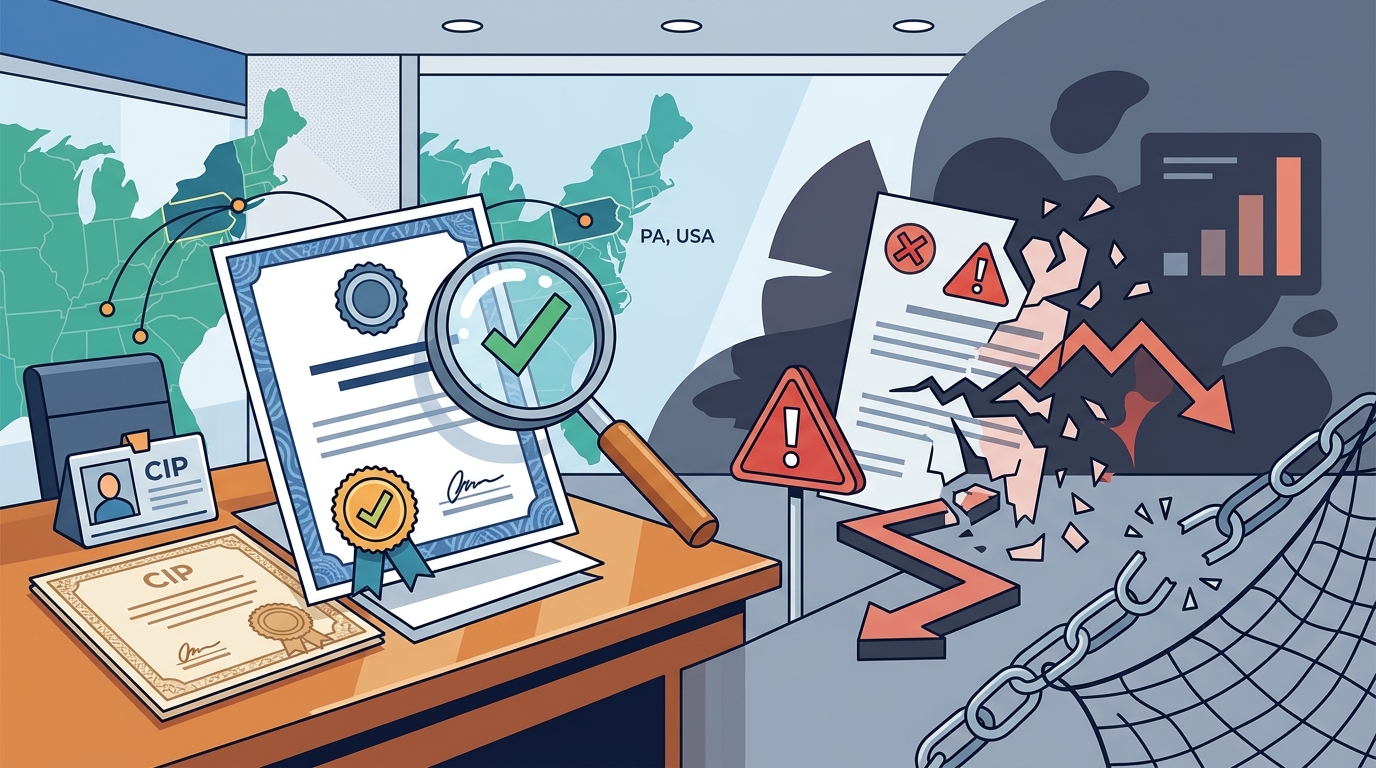
In the field of addiction recovery, titles are often used loosely. However, the designation of Certified Intervention Professional (CIP) represents a rigorous standard of competence. This certification is awarded by the Association of Intervention Specialists (AIS), a leading body in the field. To earn this credential, an interventionist must demonstrate extensive experience, adhere to a strict code of ethics, and maintain ongoing education.
A Certified Intervention Professional is not just a counselor. They are specialized crisis managers trained to navigate the complex psychological dynamics of addiction. The CIP credential ensures that the professional has met specific educational and experiential requirements. This includes understanding the neurobiology of addiction, legal considerations, and the mechanics of family systems.
For families in states like Connecticut, Florida, or New York, this distinction is vital. It provides a layer of assurance that the person guiding the family is recognized by peers and industry leaders. It signals that the interventionist has moved beyond basic training to master the art and science of intervention.
The Johnson Model and Professional Standards
Most professional interventions rely on the Johnson Model. This approach is a structured, family-centered method designed to interrupt denial and encourage treatment acceptance. It is not about confrontation or humiliation. Instead, it is about preparation, clarity, and compassion.
The Johnson Model requires precise execution. A certified interventionist prepares every participant beforehand. They help family members write letters, set boundaries, and prepare for potential resistance. This preparation is what separates a professional intervention from a well-meaning but chaotic family meeting.
According to the Association of Intervention Specialists, the Johnson Model has been refined over decades to maximize the likelihood of a positive outcome. The model emphasizes that addiction is a family disease. Therefore, the intervention must address the entire family system, not just the individual with the substance use disorder.
Professional standards dictate that an interventionist must remain neutral. They do not take sides. They facilitate communication. They ensure that the message is consistent. This neutrality is difficult to maintain without extensive training and certification.
Why Certification Protects Families
Families in crisis are vulnerable. They are often exhausted, fearful, and confused. They may have tried to reason with their loved one for years without success. In this state, it is easy to make mistakes that can worsen the situation. A certified interventionist prevents these mistakes.
1. Navigating Complex Dynamics
Addiction alters brain chemistry and behavior. Loved ones may become aggressive, manipulative, or withdrawn. A CIP-certified professional knows how to de-escalate these situations. They understand the psychological triggers that lead to resistance. They guide the family to stay calm and focused on the goal: treatment.
2. Immediate Treatment Placement
One of the most critical aspects of a successful intervention is immediate action. If the individual agrees to help, they must enter treatment immediately. A certified interventionist has a network of trusted treatment facilities. They can arrange transportation and ensure a seamless transition from the intervention to detox and rehab.
According to data from the Substance Abuse and Mental Health Services Administration, timely access to treatment significantly improves recovery outcomes. A certified interventionist ensures that this access is not delayed by logistical hurdles or lack of knowledge.
3. Ethical Accountability
Certification requires adherence to a code of ethics. This means the interventionist prioritizes the client's well-being above all else. They maintain confidentiality. They avoid conflicts of interest. They provide honest assessments of the situation. This ethical framework protects families from exploitation or mismanagement.
The Intervention 365 Difference
Intervention 365 is led by Jim Reidy, CIP, a nationally recognized professional with over 15 years of experience. Jim has conducted more than 750 interventions across the East Coast. His expertise is not just theoretical. It is proven in the field.
Jim Reidy was selected by fellow intervention professionals to assist a critically struggling family in Philadelphia featured on A&E’s Intervention. This selection speaks to his reputation among peers. It demonstrates his ability to handle high-pressure, high-stakes situations.
At Intervention 365, we do not just conduct interventions. We provide comprehensive support. This includes family coaching, treatment coordination, and ongoing aftercare planning. We understand that the intervention is just the beginning of the recovery journey.
We serve families in Ohio, Maine, New Hampshire, Massachusetts, Rhode Island, Connecticut, New York, New Jersey, Delaware, Maryland, Virginia, North Carolina, Georgia, and Florida. Our reach is extensive, but our focus is always local and personalized. We understand the unique resources and challenges of each region.
Our Service Areas
| Region | Key Cities Served | Specialized Focus |
|---|---|---|
| Connecticut | Bridgeport, New Haven, Hartford | Opioid and Alcohol Intervention |
| Florida | Miami, Orlando, Tampa | Coastal Crisis Management |
| Georgia | Atlanta, Savannah | Family Systems Coaching |
| Delaware | Wilmington, Dover | Rapid Response Intervention |
Key Takeaways
- CIP Certification is a Rigorous Standard: The Certified Intervention Professional credential requires extensive experience and adherence to ethical guidelines set by the Association of Intervention Specialists.
- The Johnson Model is the Gold Standard: This structured, family-centered approach is proven to interrupt denial and facilitate treatment acceptance when executed by a professional.
- Jim Reidy Has Proven Expertise: With over 750 interventions and features on A&E’s Intervention, Jim Reidy brings unparalleled experience to every case.
- Immediate Action Saves Lives: Timely access to treatment is critical. Certified interventionists ensure seamless transitions to detox and rehab.
- East Coast Coverage: Intervention 365 serves families from Maine to Florida, providing localized support and expertise.
- Family Support is Essential: Addiction affects the entire family. Professional coaching helps families heal and set healthy boundaries.
- Never Give Up Hope: With professional guidance, recovery is possible. Jim Reidy’s motto is to never surrender in the fight for a loved one’s life.
Frequently Asked Questions
What is the difference between a counselor and a certified interventionist?
A counselor provides therapy and support. A certified interventionist specializes in the specific crisis of addiction. They are trained to manage the immediate dynamics of an intervention, coordinate treatment placement, and guide the family through the initial crisis. The CIP certification ensures they have met specific professional standards.
How long does a professional intervention take?
The preparation phase can take several days to weeks. The actual intervention meeting typically lasts a few hours. However, the process does not end there. Follow-up support, family coaching, and treatment coordination continue for months or years. The goal is long-term recovery, not just immediate compliance.
Can an interventionist help with alcohol addiction?
Yes. Alcohol addiction is one of the most common reasons families seek intervention. Professional alcohol intervention services are designed to address the specific challenges of alcohol dependency, including blackouts, relapse, and severe withdrawal symptoms. A certified interventionist can guide the family through this process effectively.
What if my loved one refuses treatment?
Refusal is common. A professional interventionist is trained to handle resistance. They help the family set firm boundaries and consequences. They also prepare for alternative outcomes, such as the family seeking help for themselves. The interventionist ensures that the family remains united and supported, regardless of the immediate outcome.
Do you offer services in Connecticut?
Yes, Intervention 365 provides comprehensive addiction and mental health intervention services in Connecticut. We serve Bridgeport, New Haven, Hartford, Stamford, Waterbury, Norwalk, Danbury, New Britain, West Hartford, and Bristol. Our team is ready to assist families in crisis.
Is the intervention process confidential?
Absolutely. Confidentiality is a core ethical principle for certified interventionists. We protect the privacy of the individual in crisis and their family. All communications and planning are kept strictly confidential unless there is an immediate safety risk.
How do I verify an interventionist’s credentials?
You can verify a professional’s CIP status through the Association of Intervention Specialists. Look for credentials such as CIP #10266, which indicates membership and certification. Ask about their experience, their approach, and their network of treatment facilities.
Contact Intervention 365
If you or a loved one is struggling with addiction, do not wait for rock bottom. Professional help is available now. Jim Reidy and the team at Intervention 365 are ready to guide your family through this crisis with compassion and expertise.
Call us now at (888)-972-8513 to speak with a professional interventionist. We are here to help you navigate the path to recovery. Visit our Contact Page for more information.