

Addiction does not respect state lines, but professional intervention services do. For families across the Eastern United States, accessing immediate, high-quality crisis intervention is often the difference between a successful recovery and a tragic loss. According to recent data from the National Institute on Drug Abuse, the East Coast region continues to face significant challenges with substance use disorders, requiring specialized, localized support systems that understand regional demographics and treatment landscapes. Intervention 365 provides this critical bridge, connecting families in crisis with certified professionals who can navigate the complex medical and legal realities of addiction.
What Is a Professional Intervention?
An addiction intervention is a structured, professionally guided meeting involving family members, loved ones, and the intended patient. The primary goal is not confrontation for the sake of conflict, but rather to interrupt denial, educate the family system, and establish healthy boundaries. This process creates a structured opportunity for change when informal attempts to reason with a loved one have failed.
Professional intervention services are designed to help families take action before tragedy occurs. Whether someone is struggling with binge drinking, chronic alcoholism, or severe drug dependency, an intervention provides a clear path to immediate treatment. It is a clinical process that requires precision, empathy, and deep knowledge of addiction psychology.
Service Areas Covered on the East Coast
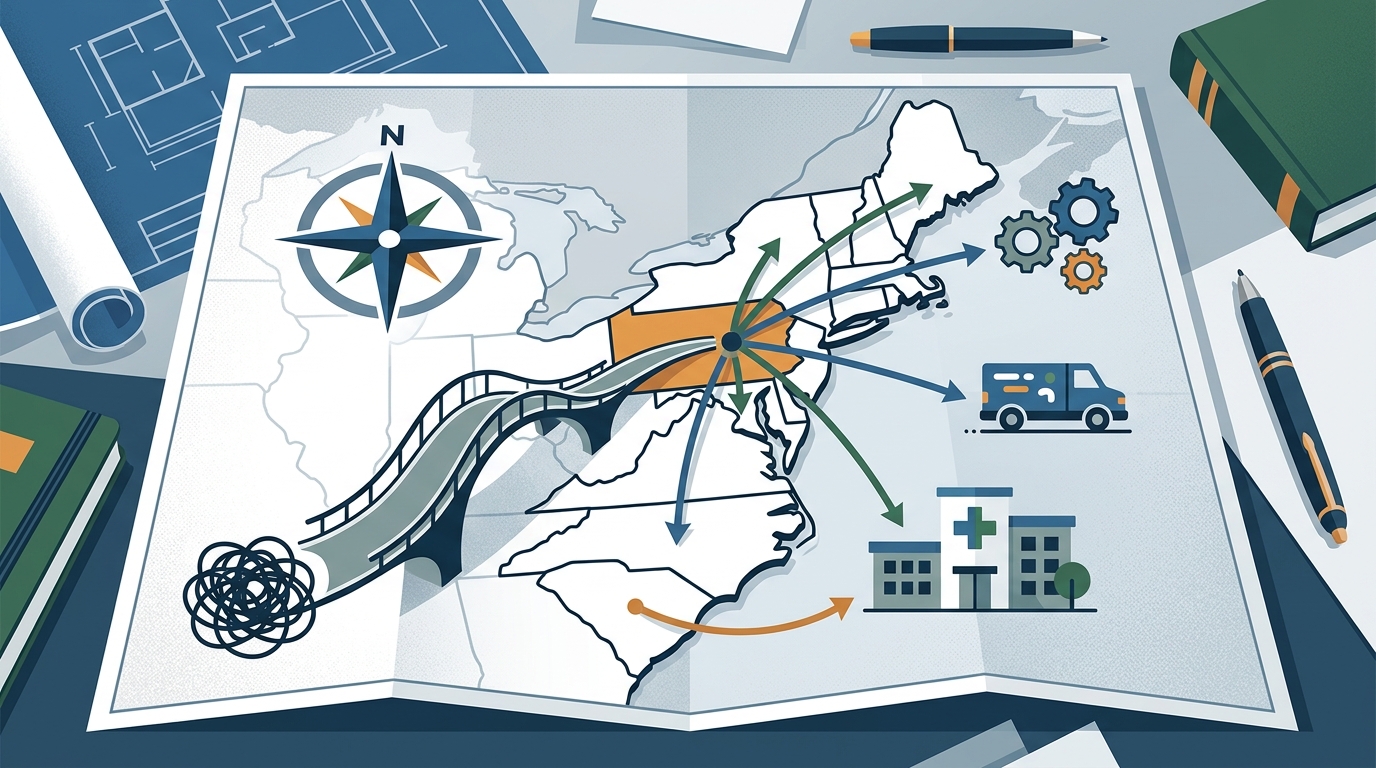
Intervention 365 operates extensively across the Eastern United States, providing on-the-ground support in states with high populations and significant addiction challenges. Our network of professionals ensures that families receive localized assistance, regardless of their specific geographic location.
Mid-Atlantic Region
The Mid-Atlantic region, including Pennsylvania, Delaware, Maryland, and New Jersey, faces unique regulatory and treatment landscape challenges. Addiction in Pennsylvania is often redefined by the family system, requiring interventions that address deep-seated emotional patterns rather than just substance use. In Delaware and Maryland, families benefit from rapid response teams that can coordinate with local inpatient facilities.
New England Region
Connecticut, Massachusetts, Rhode Island, New Hampshire, and Maine present distinct logistical challenges due to rural populations and varying healthcare infrastructure. Connecticut Addiction Mental Health Intervention Service highlights the need for integrated care that addresses co-occurring mental health disorders alongside substance abuse. Our professionals in New England are trained to navigate these specific regional healthcare networks.
Southeast Region
From Virginia and North Carolina down to Florida and Georgia, the Southeast experiences high volumes of substance use crises. Delaware Addiction Mental Health Interventions Services serve as a model for how smaller states can provide comprehensive care. Our team in the Southeast coordinates with a wide array of treatment centers to ensure immediate placement availability.
Northeast Corridor
New York and New York City represent some of the most complex intervention scenarios due to the density of the population and the variety of treatment options. Professionals in this area must be adept at selecting the right level of care, from luxury residential facilities to standard inpatient programs, based on the client's specific needs and insurance coverage.
The Johnson Model Approach
Intervention 365 utilizes the Johnson Model, a family-centered intervention approach focused on preparation, structure, compassion, and accountability. This model is widely recognized in the clinical community for its effectiveness in achieving immediate treatment acceptance.
The Johnson Model is a structured method of intervention that emphasizes the collective voice of the family. It requires extensive pre-intervention work, including individual meetings with each participant to prepare them emotionally and strategically. This preparation ensures that the intervention itself is a cohesive, non-confrontational, yet firm presentation of facts and consequences.
Key components of the Johnson Model include:
- Preparation: Extensive planning and rehearsal with all participants.
- Structure: A clear, pre-determined agenda for the meeting.
- Compassion: Maintaining a tone of love and concern throughout.
- Accountability: Presenting clear consequences for refusal of treatment.
- Treatment Readiness: Having a confirmed treatment plan ready for immediate implementation.
Why Experience Matters in Crisis
When addiction takes hold, families need experienced guidance they can trust. Jim Reidy, a Certified Intervention Professional (CIP), has spent 15+ years helping more than 750 families navigate the intervention process. This level of experience is critical because addiction is a system of thinking, reacting, avoiding, manipulating, soothing, escaping, and reorganizing life around one central goal: maximum comfort and minimum discomfort.
According to industry standards, the success rate of interventions is significantly higher when conducted by certified professionals rather than family members alone. Jim Reidy was selected by fellow intervention professionals to assist a critically struggling family in Philadelphia featured on A&E’s Intervention during the height of the Kensington addiction crisis. Today, that individual remains alive, thriving, and has never returned to the streets where she struggled for nearly two decades.
Our team includes Jen McDonough, a premier interventionist who brings additional expertise to our service offerings. Intervention 365 | Jen McDonough — A Premier Interventionist represents the high standard of care we provide to every family we serve.
Understanding the Family System
Addiction is not just a drug problem or an alcohol problem. It is a systemic issue that affects the entire family unit. Families often become an extension of the addiction, even when that is not their intention. The addicted person can manipulate the household, the relationships, the routines, the emotions, and even the identities of the people around them until everyone is living in response to the addiction.
At Intervention 365, we teach families that substance abuse is often the symptom of something deeper: an inability or unwillingness to deal with uncomfortable feelings, uncomfortable situations, old pain, fear, stress, shame, emptiness, or unresolved life events in a healthy way. That is why simply removing the substance is rarely enough. That is why simply sending somebody away is rarely enough.
Lasting recovery requires more than detox. It requires dealing with past pain, present discomfort, and learning tools for healthy living. Our services include family coaching and ongoing support to ensure that the family system heals alongside the individual.
Key Takeaways
- Certified Expertise: Jim Reidy holds CIP #10266 and is a member of the Association of Intervention Specialists.
- Proven Track Record: Over 750 interventions conducted with a focus on immediate treatment placement.
- Geographic Reach: Comprehensive coverage from Maine to Florida, including all major East Coast states.
- Johnson Model: Utilization of the clinically proven Johnson Model for maximum intervention success.
- Family Focus: Services include family education, communication restructuring, and boundary development.
- Immediate Action: 24/7 availability for crisis intervention and treatment coordination.
- Media Recognition: Featured on A&E’s Intervention, demonstrating real-world efficacy in high-stakes scenarios.
Frequently Asked Questions
How quickly can an interventionist arrive?
Intervention 365 offers rapid response services, often coordinating with local professionals to arrive within 24 to 48 hours, depending on the specific state and logistical requirements.
What is the cost of a professional intervention?
Costs vary based on the complexity of the case, the number of participants, and the geographic location. We provide transparent pricing during the initial consultation and can often assist with insurance verification.
Do you handle drug and alcohol interventions?
Yes, we provide comprehensive services for both drug and alcohol addiction, including co-occurring mental health disorders.
What happens if the loved one refuses treatment?
The intervention plan includes pre-determined consequences and boundaries that are enforced by the family, guided by the interventionist, to encourage acceptance of treatment.
Is the intervention process confidential?
Absolutely. All interactions are protected by strict confidentiality standards and professional ethics codes.
Do you offer services in rural areas?
Yes, we coordinate with local professionals in rural areas across the East Coast to ensure no family is left without support.
Can family members participate remotely?
In some cases, family members who cannot travel can participate via secure video conferencing, though in-person participation is often recommended for maximum impact.
Contact Intervention 365
If you or a loved one is struggling with addiction, do not wait for rock bottom. Professional help is available now. Contact Intervention 365 today to speak with a certified interventionist about your options. Call 888-972-8513 or visit our Contact page to begin the process of saving a life.