

Common Mistakes When Hiring an Addiction Interventionist and How to Avoid Them
When a loved one is struggling with substance abuse, the window for effective action is often narrow and fragile. According to the National Institute on Drug Abuse, there were 1,361 drug overdose deaths in Connecticut alone in 2020, marking a significant 13% increase from the previous year. This statistic highlights the urgent need for families to act decisively and correctly during a crisis. Many families make the critical error of waiting for "rock bottom" to occur before seeking help, but professional interventionists know that waiting can be fatal. Choosing the right professional guide is the single most important decision a family can make during this turbulent time. This guide outlines the most frequent errors families commit when selecting an interventionist and provides actionable strategies to avoid them. (Florida Family Intervention Services)
Mistake 1: Choosing Based on Price Over Credentials
One of the most dangerous pitfalls families encounter is prioritizing cost over professional qualification. Addiction intervention is not a standardized service like house cleaning or lawn care. It is a high-stakes psychological and logistical operation that requires specialized training and certification. An interventionist who lacks proper credentials may inadvertently escalate a volatile situation, leading to the very resistance they are trying to overcome.
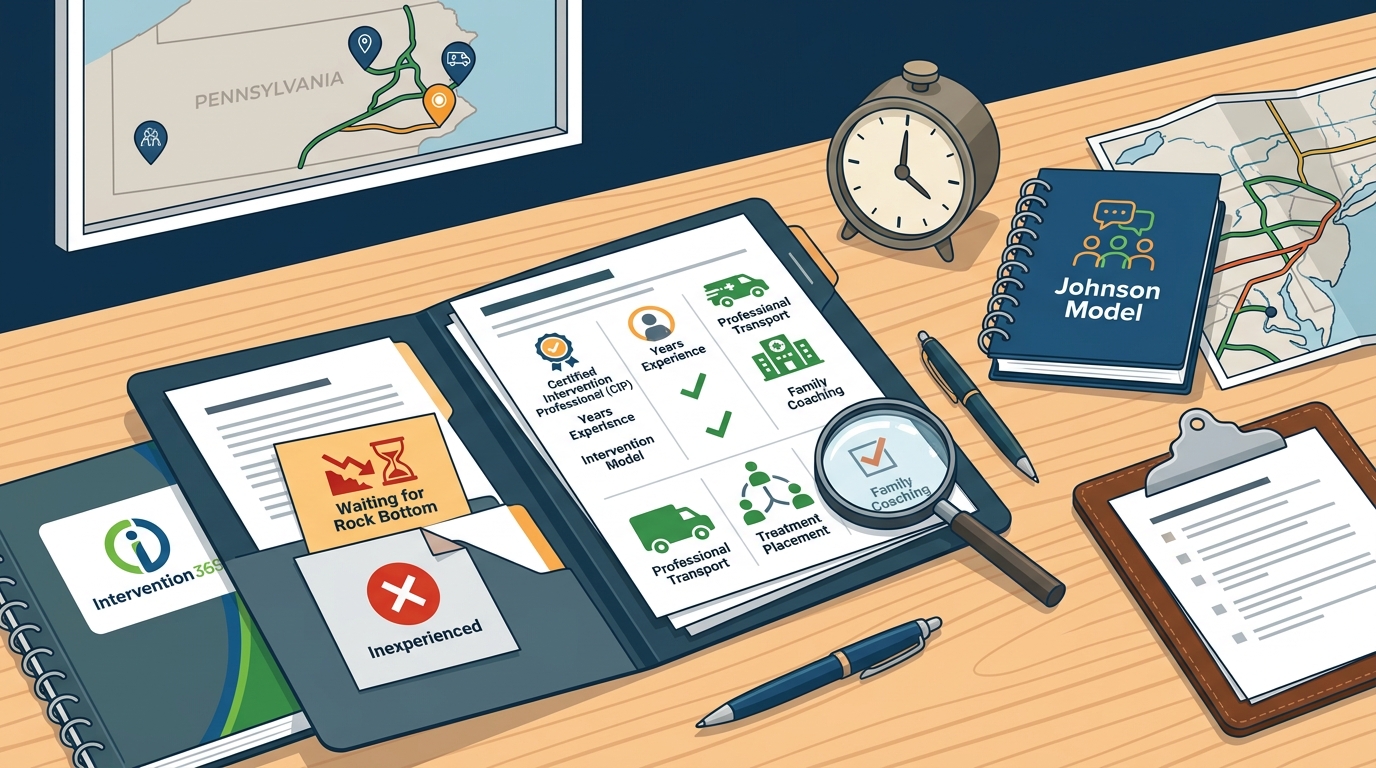
When evaluating potential interventionists, you must look for specific, verifiable credentials. The gold standard in the industry is the Certified Intervention Professional (CIP) designation. This certification ensures that the professional has undergone rigorous training in the Johnson Model and other evidence-based intervention strategies. For example, Jim Reidy, a premier interventionist with Intervention 365, holds CIP #10266 and is a member of the Association of Intervention Specialists. These credentials are not merely badges; they represent thousands of hours of clinical study and practical application.
Furthermore, experience matters immensely. An interventionist who has conducted fewer than 50 interventions may lack the nuanced ability to read body language and manage group dynamics in real-time. Look for professionals who have conducted hundreds, if not thousands, of interventions. This volume of experience translates to the ability to remain calm under pressure and adapt strategies instantly when a loved one becomes defensive or combative. Do not be swayed by low-cost offers that seem too good to be true. In the context of addiction, the cost of failure is measured in lives, not dollars.
Mistake 2: Ignoring Geographic and Legal Nuances
Another common error is hiring an interventionist who does not have a deep understanding of the local landscape. Addiction and mental health services vary significantly by state and even by county. Laws regarding involuntary holds, insurance coverage, and treatment facility availability differ widely across regions. An interventionist who operates nationally but lacks local expertise may struggle to secure immediate placement for a loved one.
For families in the Northeast, such as those in Connecticut, New York, or Massachusetts, it is crucial to work with an interventionist who has established relationships with local treatment centers. Intervention 365, for instance, serves families from Maine to Florida, with specific expertise in the regulatory environments of states like Connecticut and Delaware. This local knowledge allows them to navigate insurance pre-authorizations and facility bed availability more efficiently than a generalist.
Additionally, consider the legal implications of an intervention. In some jurisdictions, families may need to understand their rights and responsibilities regarding the safety of their loved one during the intervention process. A locally knowledgeable interventionist can guide you through these legal nuances, ensuring that the intervention is conducted within the bounds of the law while maximizing the chances of acceptance. Always ask your potential interventionist about their specific experience in your state and their network of local treatment providers.
Mistake 3: Failing to Verify Treatment Network Access
Many families believe that the intervention itself is the end goal. In reality, the intervention is merely the bridge to treatment. A critical mistake is hiring an interventionist who does not have immediate access to a robust network of treatment facilities. If the intervention is successful but there is no bed available at a suitable facility, the momentum can be lost, and the loved one may refuse to enter treatment.
Effective interventionists maintain active, up-to-date relationships with detox centers, inpatient rehab facilities, and outpatient programs. They know which facilities have immediate openings, which ones specialize in specific types of addiction (such as opioid or alcohol dependence), and which ones offer the appropriate level of care for the individual's needs. This logistical capability is often more valuable than the intervention strategy itself.
When interviewing potential interventionists, ask them directly about their treatment network. Do they have partnerships with facilities in your area? Can they guarantee a placement within 24 to 48 hours? Intervention 365, for example, provides comprehensive treatment coordination, ensuring that once the intervention is complete, the loved one is escorted directly into detox and rehab. This seamless transition is vital for maintaining the psychological momentum generated during the intervention. Without this support, the family is left to navigate the complex healthcare system alone, often during a time of extreme emotional distress.
Overlooking the Importance of Family Education
A professional intervention is not just about the person struggling with addiction; it is about the entire family system. A common mistake is hiring an interventionist who focuses solely on the individual and neglects the family's role in the recovery process. Addiction is a family disease, and the family dynamics often enable or perpetuate the behavior. Without proper education and guidance, family members may inadvertently sabotage the intervention or fail to maintain boundaries after treatment begins.
High-quality intervention services include extensive family education. This involves teaching family members how to communicate effectively, how to set healthy boundaries, and how to avoid enabling behaviors. The Johnson Model, which is widely used by professionals like Jim Reidy, emphasizes the importance of a structured, compassionate approach that involves the family in the planning process. This ensures that everyone is on the same page and understands their role in the intervention.
Look for interventionists who offer family educational libraries or coaching sessions. These resources provide families with the tools they need to support their loved one's recovery and protect their own mental health. Intervention 365, for instance, offers a Family Educational Library and ongoing family support to help families navigate the challenges of addiction. This holistic approach ensures that the intervention leads to long-term recovery rather than a temporary fix.
Neglecting Post-Intervention Support and Sober Escorting
The period immediately following a successful intervention is critical. The individual may be in shock, denial, or resistance. A common mistake is assuming that the interventionist's job ends once the person agrees to enter treatment. In reality, the transition to treatment requires careful handling to ensure the individual actually enters care. This is where sober escorting becomes essential.
A sober escort is a trained professional who accompanies the loved one from the intervention site directly to the treatment facility. They ensure that the individual does not flee, hide, or relapse during the transition. They also provide emotional support and reassurance to the family, allowing them to focus on their own well-being. Without a sober escort, there is a significant risk that the individual will change their mind or be intercepted by others who may not have the family's best interests at heart.
When choosing an interventionist, confirm that they provide or coordinate sober escort services. This service is often included in comprehensive intervention packages, but it is important to verify this explicitly. Intervention 365, for example, acts as a sober escort to guide loved ones right into detox and rehab, ensuring a safe and secure transition. This level of support is invaluable in preventing relapse and ensuring that the intervention leads to actual treatment.
Key Takeaways
- Credentials Matter: Always verify that your interventionist holds the Certified Intervention Professional (CIP) designation and has extensive experience, such as Jim Reidy's 15+ years and 750+ interventions.
- Local Expertise is Critical: Choose an interventionist who understands the specific laws, insurance networks, and treatment facilities in your state, such as those serving Connecticut or Florida.
- Treatment Access is Key: Ensure the interventionist has immediate access to a network of treatment facilities to guarantee a seamless transition to care.
- Family Education is Essential: Look for services that include family coaching and educational resources to help the entire family system support recovery.
- Sober Escorting Prevents Relapse: Verify that the interventionist provides or coordinates sober escort services to ensure the loved one enters treatment safely.
- Experience Saves Lives: Prioritize interventionists with a proven track record, such as those featured on national television or recognized by professional associations.
- Act Before Rock Bottom: Do not wait for a crisis to occur. Professional intervention services are designed to prevent tragedy by providing early, structured guidance.
Frequently Asked Questions
What is the most important credential to look for in an interventionist?
The most important credential is the Certified Intervention Professional (CIP) designation, which indicates rigorous training in evidence-based intervention models like the Johnson Model.
Why is local knowledge important for an interventionist?
Local knowledge ensures the interventionist understands state-specific laws, insurance requirements, and has immediate access to treatment facilities in your area, facilitating faster placement.
Does an interventionist provide sober escort services?
Many professional interventionists, including those at Intervention 365, provide or coordinate sober escort services to ensure a safe transition from the intervention to treatment.
How long does the intervention process typically take?
The process varies, but professional interventions are often planned over several days to weeks, with the actual intervention meeting lasting a few hours, followed by immediate treatment coordination.
What is the Johnson Model of intervention?
The Johnson Model is a family-centered intervention approach that focuses on preparation, structure, compassion, and accountability to help the individual recognize the seriousness of their addiction.
Can an interventionist help with insurance verification?
Yes, many interventionists assist with verifying health insurance benefits and navigating pre-authorization processes to ensure treatment is covered and accessible.
What should I do if my loved one refuses treatment after the intervention?
If treatment is refused, the interventionist should guide the family in implementing pre-agreed consequences and boundaries to maintain pressure for change, while continuing to offer support.
Take the Next Step Toward Recovery
Hiring the right addiction interventionist is a decision that can save a life. By avoiding these common mistakes and prioritizing credentials, local expertise, and comprehensive support, you can ensure that your loved one receives the help they need. Intervention 365 is dedicated to providing compassionate and effective intervention services to families across the East Coast and beyond. Do not wait for a crisis to occur. Contact Intervention 365 today to speak with a professional interventionist and learn how we can help your family navigate this challenging time. Click here to contact us now or call 888-972-8513 for immediate assistance.