
Professional vs. DIY Addiction Intervention: A Critical Safety & Success Analysis
When a loved one struggles with substance use disorder, families often face an immediate, high-stakes decision: attempt a do-it-yourself intervention or hire a certified professional. According to the National Institute on Drug Abuse, there were 1,361 drug overdose deaths in Connecticut alone in 2020, marking a 13% increase from the previous year, which highlights the urgent need for effective, safe intervention strategies (NIDA). Choosing the wrong path can lead to shattered relationships, increased denial, or even tragedy. This analysis compares the structural, emotional, and clinical outcomes of professional intervention services versus self-guided family efforts to help you make an informed choice. (Florida Family Intervention Services)
Defining the Intervention Models
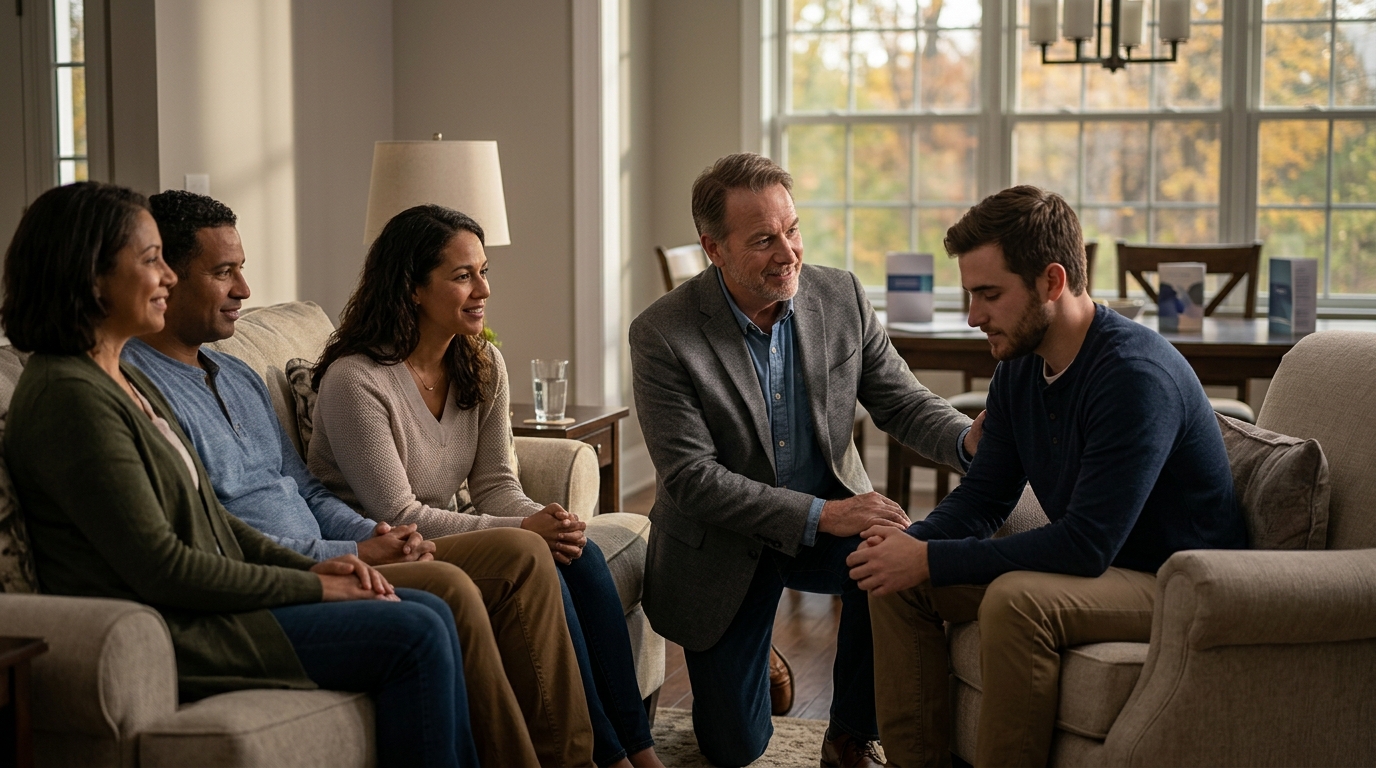
To understand the difference between professional and DIY approaches, we must first define the core methodologies. An intervention is a structured, professionally guided meeting involving family members, loved ones, and the intended patient, designed to interrupt denial and establish healthy boundaries. The most common framework used by certified experts is the Johnson Model, which focuses on preparation, structure, compassion, accountability, and treatment readiness. (Alcohol Intervention Services Alcohol)
In contrast, a DIY intervention is a self-organized family meeting where loved ones attempt to confront the individual about their substance use without external professional facilitation. While well-intentioned, DIY efforts often lack the clinical structure required to manage high-emotion crises effectively. Professional interventionists, such as those at Intervention 365, bring 15+ years of experience and specialized training to navigate these complex dynamics. (Addiction Intervention Delaware Delaware)
The Professional Intervention Advantage
Hiring a Certified Intervention Professional (CIP) offers significant structural and emotional benefits that self-guided efforts rarely achieve. Jim Reidy, a nationally recognized interventionist and CIP #10266, has conducted over 750 interventions across the East Coast, demonstrating the efficacy of professional guidance in high-stakes scenarios. (Connecticut Intervention for Addiction)
1. Emotional Detachment and Objectivity
Family members are emotionally invested in the outcome, which can lead to reactive arguments, guilt-tripping, or emotional breakdowns during the meeting. A professional interventionist remains emotionally detached, ensuring the conversation stays focused on the individual's behavior and the consequences of their actions. This objectivity prevents the intervention from devolving into a personal attack, which is a common failure point in DIY attempts.
2. Pre-Planned Treatment Placement
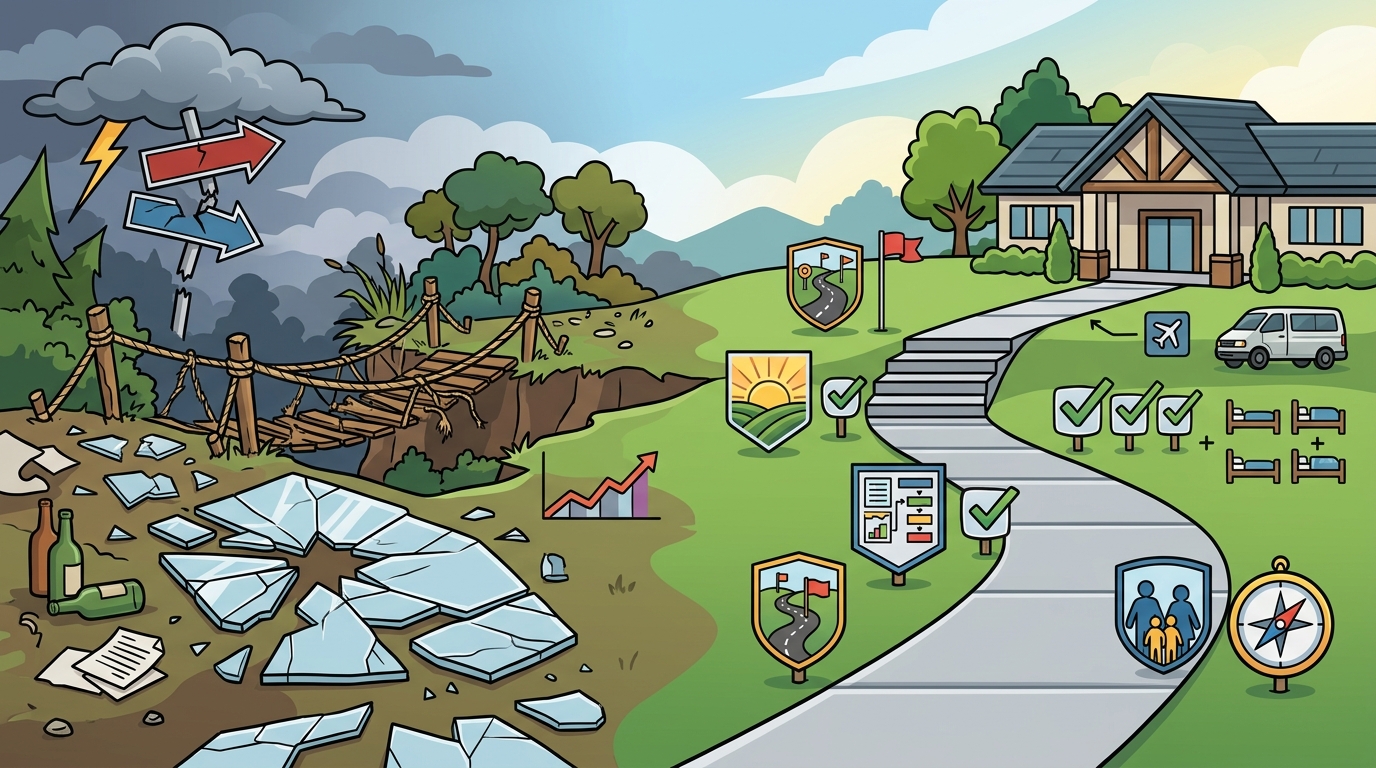
One of the most critical advantages of professional services is the immediate availability of treatment. Families often spend weeks searching for appropriate rehab facilities, only to find beds are full when the intervention occurs. Professional interventionists have established relationships with top-tier treatment centers and can secure immediate placement. As seen in our Connecticut and Florida service areas, we act as a sober escort to guide your loved one directly into detox and rehab, ensuring no time is lost.
3. Crisis Management and Safety
Substance use disorders often co-occur with mental health crises. A professional is trained to recognize signs of acute distress, aggression, or self-harm and can de-escalate situations instantly. According to data from the Association of Intervention Specialists, professional interventions significantly reduce the risk of violent outbursts or escape attempts compared to unguided family meetings.
Risks of DIY Interventions
While the desire to help is noble, DIY interventions carry substantial risks that can worsen the individual's condition and damage family relationships.
1. Increased Denial and Defensiveness
Without a structured script and professional facilitation, DIY interventions often feel like ambushes to the individual. This triggers immediate defensiveness, leading the person to deny their addiction, blame their family, or flee the situation. Research indicates that individuals who perceive an intervention as confrontational rather than supportive are less likely to accept treatment.
2. Lack of Follow-Through
DIY interventions frequently fail because families are unprepared for the aftermath. When the individual refuses help, family members often struggle to enforce the boundaries they set during the meeting. This inconsistency reinforces the individual's belief that there are no real consequences for their behavior. Professional interventionists provide ongoing family coaching to ensure boundaries are maintained.
3. Emotional Burnout for the Family
Planning and executing a DIY intervention requires immense emotional labor. Families often experience severe anxiety, sleep deprivation, and conflict among themselves during the process. This burnout can lead to poor decision-making and weakened resolve when facing the individual. Professional services alleviate this burden by handling the logistics, communication, and emotional heavy lifting.
Comparative Analysis of Outcomes
The table below summarizes the key differences between professional and DIY intervention approaches based on clinical outcomes and family impact.
| Factor | Professional Intervention | DIY Intervention |
|---|---|---|
| Facilitator | Certified Intervention Professional (CIP) | Family Member or Friend |
| Structure | Johnson Model or Family Systems Model | Ad-hoc, often unstructured |
| Treatment Placement | Immediate, pre-secured beds | Post-intervention search (often delayed) |
| Emotional Management | Professional de-escalation and support | High risk of emotional breakdowns |
| Success Rate | High (due to preparation and follow-through) | Variable to Low (due to lack of structure) |
| Family Support | Ongoing coaching and therapy | Minimal to None |
Key Takeaways
- Professional Expertise: Jim Reidy, CIP, has conducted over 750 interventions, demonstrating the reliability of professional guidance in crisis situations.
- Immediate Placement: Professional services ensure immediate detox and rehab placement, eliminating the critical delay often seen in DIY efforts.
- Emotional Safety: Certified interventionists prevent emotional escalation, keeping the focus on the individual's recovery rather than family conflict.
- Geographic Reach: Intervention 365 serves families from Maine to Florida, providing localized support and knowledge of regional treatment resources.
- Proven Track Record: Featured on A&E’s Intervention, professional methods have been validated in high-pressure, real-world scenarios.
- Family Education: Professional services include family coaching, which is essential for long-term recovery and boundary setting.
- Risk Mitigation: DIY interventions carry a higher risk of the individual fleeing or escalating their substance use due to lack of immediate consequences.
Frequently Asked Questions
What is the difference between a professional and DIY intervention?
A professional intervention is facilitated by a Certified Intervention Professional (CIP) who brings structure, objectivity, and immediate treatment placement. A DIY intervention is self-organized by family members and often lacks the clinical framework needed to manage high-emotion crises effectively.
Can a DIY intervention be successful?
While possible, DIY interventions have a lower success rate due to the lack of professional de-escalation skills and immediate treatment options. Families often struggle to enforce boundaries after the meeting, leading to relapse or continued denial.
How quickly can a professional interventionist secure treatment?
Professional interventionists like Jim Reidy have established relationships with treatment centers and can often secure immediate placement, sometimes within 24 hours. This speed is critical in preventing the individual from fleeing or escalating their substance use.
What is the Johnson Model of intervention?
The Johnson Model is a family-centered intervention approach that focuses on preparation, structure, compassion, accountability, and treatment readiness. It is the most widely used model by certified interventionists to ensure a safe and effective meeting.
Does Intervention 365 offer services outside of Connecticut?
Yes, Intervention 365 serves families across the East Coast, including Ohio, Maine, New Hampshire, Massachusetts, Rhode Island, New York, New Jersey, Delaware, Maryland, Virginia, North Carolina, Georgia, and Florida.
What happens if my loved one refuses treatment during the intervention?
Professional interventionists are trained to handle refusal with pre-planned consequences. The family is coached to enforce these boundaries consistently, which often leads the individual to reconsider treatment as they realize the support is conditional on their recovery.
How much does a professional intervention cost?
Costs vary based on the complexity of the case, geographic location, and specific services required. However, the investment is often justified by the immediate treatment placement and the prevention of long-term costs associated with continued addiction.
Take the Next Step
When addiction takes hold, families need experienced guidance they can trust. Do not leave your loved one's future to chance. Contact Intervention 365 today to speak with a certified professional interventionist. We provide compassionate, structured, and effective intervention services to help your family navigate this crisis and pave the way for recovery. Call us now at (888)-972-8513 or visit our contact page to learn more about our services.