

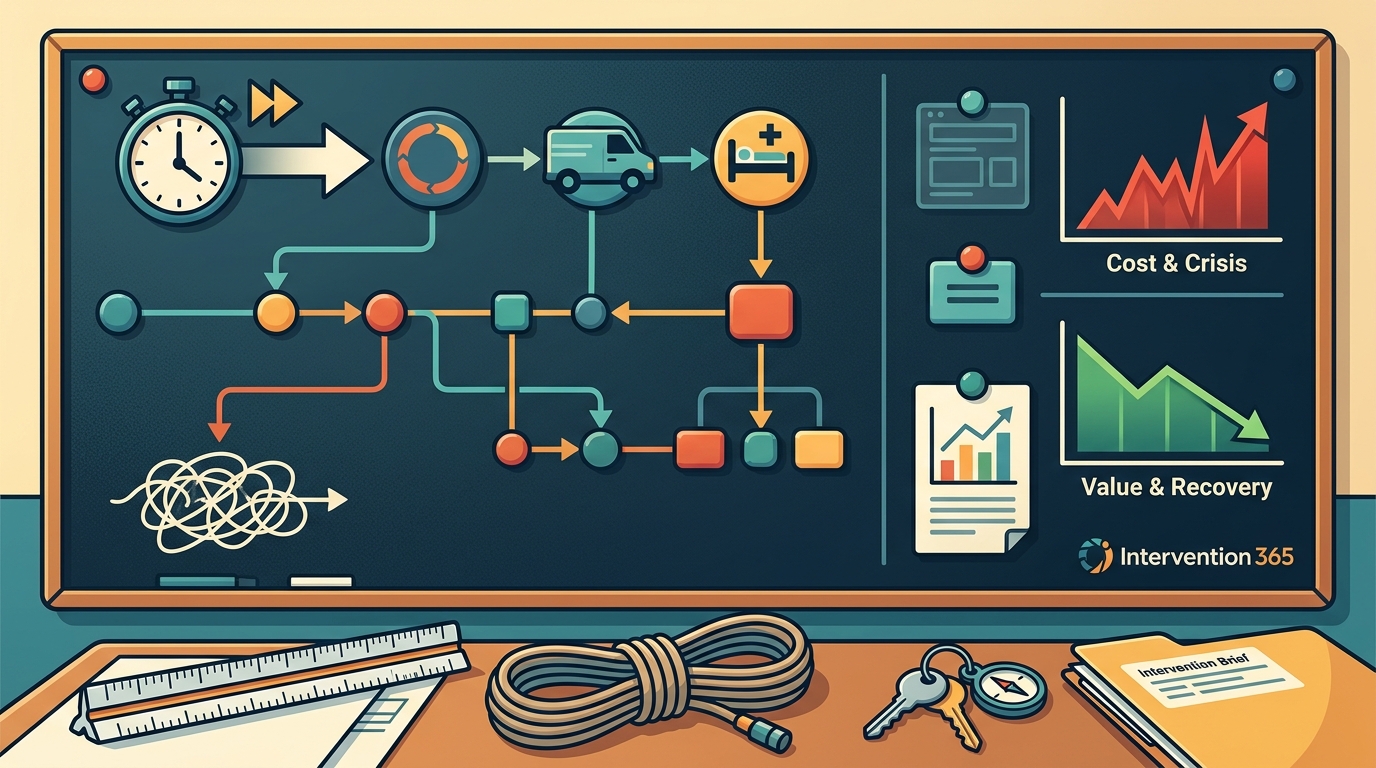
When a loved one is struggling with addiction, time is the most critical resource. According to the National Institute on Drug Abuse, synthetic opioid-involved deaths have risen significantly, with fentanyl being a primary cause in many regions. Waiting for "rock bottom" often results in irreversible tragedy. Expedited intervention planning shifts the focus from reactive crisis management to proactive, structured support. This guide analyzes the financial and emotional costs of delaying professional help versus the immediate benefits of engaging a certified interventionist like Jim Reidy at Intervention 365. (Florida Family Intervention Services)
Why Expedited Planning Matters
Addiction is a progressive disease that rarely improves without professional intervention. The Johnson Model, which Intervention 365 utilizes, emphasizes preparation, structure, and compassion. An expedited plan ensures that all logistical, legal, and emotional components are in place before the family meets with the individual struggling with addiction.
Jim Reidy, a Certified Intervention Professional (CIP), has spent over 15 years helping more than 750 families navigate this process. His approach is not about confrontation but about creating a structured opportunity for change. When families delay planning, they often find themselves in a chaotic state, unable to communicate effectively or secure immediate treatment beds.
Expedited planning also involves verifying health insurance coverage and identifying appropriate treatment facilities in advance. This preparation reduces the stress on the family and increases the likelihood of a successful outcome. For families in Connecticut, New York, New Jersey, and other East Coast states, having a local expert who understands regional resources is invaluable.
The Hidden Cost of Delay
Many families believe that waiting for the individual to "hit rock bottom" is the most cost-effective approach. However, this strategy often leads to higher financial and emotional costs. The average cost of emergency room visits, legal fees, and property damage due to addiction can far exceed the cost of a professional intervention.
According to data from the National Institute on Drug Abuse, in 2020, there were 1,361 drug overdose deaths in Connecticut alone, marking a 13% increase from the previous year. This statistic highlights the urgency of timely intervention. Delaying action can result in the loss of a loved one, which is an irreversible cost that no amount of money can recover.
Furthermore, the longer addiction progresses, the more complex the treatment becomes. Early intervention often allows for less intensive treatment options, such as outpatient programs, whereas delayed intervention may require long-term residential care. The financial burden of extended treatment stays is significant, making early action a financially prudent decision.
Value of Professional Intervention
Hiring a professional interventionist like Jim Reidy provides several tangible benefits that outweigh the initial investment. First, a professional brings objectivity to a highly emotional situation. Family members often struggle to maintain composure and clarity during a crisis. A certified interventionist ensures that the meeting remains focused on the goal of getting help.
Second, professionals have established relationships with treatment facilities. This network allows for immediate placement, which is crucial when an individual agrees to seek help. Without pre-arranged beds, families may face delays that lead to relapse or refusal of treatment. Intervention 365 provides treatment coordination and transportation assistance to ensure a seamless transition to care.
Third, professional interventions include family coaching and boundary development. These services help family members support their loved one without enabling the addiction. This holistic approach addresses the entire family system, not just the individual. For more information on alcohol intervention services, visit our alcohol intervention page.
Cost Comparison: DIY vs. Professional
Understanding the financial implications of different approaches helps families make informed decisions. The table below compares the typical costs and outcomes of DIY interventions versus professional interventions.
| Factor | DIY Intervention | Professional Intervention (Intervention 365) |
|---|---|---|
| Initial Cost | Low (Time only) | Fixed Fee (Investment in success) |
| Success Rate | Low (High risk of failure) | High (Structured, experienced guidance) |
| Treatment Placement | Uncertain/Delayed | Immediate (Pre-arranged beds) |
| Family Stress | High (Emotional exhaustion) | Managed (Professional support) |
| Long-Term Outcome | Variable (Often relapse) | Positive (Sustained recovery support) |
While the upfront cost of a professional intervention may seem high, the long-term savings in terms of reduced legal issues, lower medical costs, and higher success rates make it a cost-effective choice. Jim Reidy’s experience ensures that families are guided through every step, from assessment to ongoing support.
Key Takeaways
- Time is Critical: According to NIDA, synthetic opioid deaths are rising, making timely intervention essential.
- Professional Expertise: Jim Reidy has conducted over 750 interventions with a proven track record of success.
- Immediate Placement: Professional interventionists have pre-arranged treatment beds, reducing delays.
- Family Support: Interventions include coaching for family members to establish healthy boundaries.
- Cost Efficiency: Early intervention reduces long-term financial burdens associated with addiction.
- Regional Knowledge: Local experts understand state-specific resources and regulations.
- Compassionate Approach: The Johnson Model focuses on empathy and accountability, not confrontation.
Frequently Asked Questions
How much does an intervention cost?
The cost varies based on the complexity of the case and the services required. Intervention 365 offers transparent pricing and can provide a detailed estimate after an initial consultation. Contact us at 888-972-8513 for more information.
What is the Johnson Model?
The Johnson Model is a family-centered intervention approach that emphasizes preparation, structure, compassion, and accountability. It is designed to help the individual recognize the seriousness of their addiction and accept treatment.
Can I handle the intervention myself?
While it is possible, DIY interventions often fail due to emotional bias and lack of structure. Professional interventionists bring objectivity and experience that significantly increase the chances of success.
How quickly can treatment start?
With professional intervention, treatment can often begin immediately. Intervention 365 coordinates with treatment facilities to ensure beds are available upon agreement.
Do you serve my area?
Intervention 365 serves families throughout the East Coast, including Connecticut, New York, New Jersey, Delaware, Maryland, Virginia, North Carolina, Georgia, and Florida. See our Connecticut intervention services for more details.
What if my loved one refuses treatment?
Professional interventionists are trained to handle resistance and refusal. The process includes setting boundaries and consequences that encourage the individual to accept help.
Is insurance covered?
Many treatment facilities accept health insurance. Intervention 365 assists families in verifying coverage and navigating insurance claims to minimize out-of-pocket costs.
Take Action Now
Do not wait for tragedy to strike. Expedited intervention planning is the most effective way to save a life and protect your family. Jim Reidy and the team at Intervention 365 are ready to provide the compassionate, professional guidance you need. Call 888-972-8513 today to schedule a confidential consultation and learn how we can help your family navigate this crisis.