

How to Plan and Conduct a Family Intervention for Addiction in New Jersey
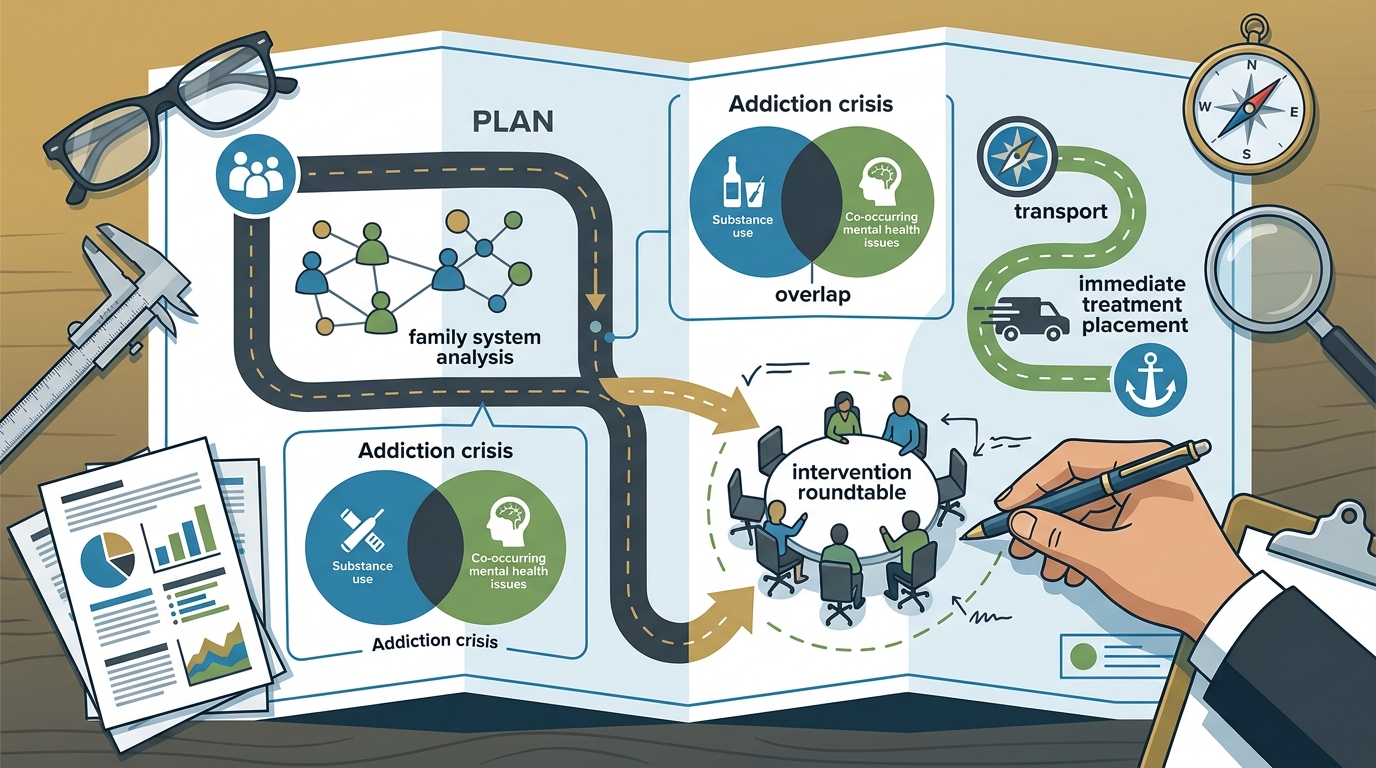
Addiction is a progressive disease that affects the entire family system, not just the individual struggling with substance use. According to recent data from the National Institute on Drug Abuse, approximately 40 to 60 percent of individuals with a substance use disorder also have a co-occurring mental illness, highlighting the complexity of the crisis. When a loved one in New Jersey reaches a point of denial or resistance, families often feel helpless, unsure of how to break the cycle of enabling and conflict. Professional intervention provides a structured, compassionate pathway to interrupt this pattern and guide the individual toward immediate treatment. This guide outlines the critical steps for planning and executing a successful intervention, leveraging the expertise of certified professionals to ensure safety and effectiveness.
Understanding the Need for Professional Intervention
Many families in New Jersey initially attempt to handle addiction issues through informal conversations or ultimatums. However, these attempts often fail because they lack structure and professional guidance. Addiction is not merely a bad habit or a moral failing; it is a complex medical condition that alters brain chemistry and behavior. Intervention is a structured process designed to help individuals recognize the severity of their addiction and accept treatment.
Without professional oversight, family members may inadvertently enable the addiction by continuing to provide financial support, cover up consequences, or engage in emotional arguments that trigger defensiveness. A professional interventionist helps the family shift from a confrontational stance to a supportive, firm, and unified approach. This shift is crucial for breaking through the denial that characterizes active addiction.
Furthermore, the legal and healthcare landscape in New Jersey requires careful navigation. Understanding the state's resources, such as the New Jersey Department of Human Services and local treatment facilities, is essential for a successful outcome. Families must also be prepared for the possibility of resistance, which is why having a crisis plan in place is non-negotiable.
Assembling the Intervention Team
The success of an intervention depends heavily on the composition of the team. This is not a group of acquaintances but a carefully selected circle of individuals who have a genuine, positive relationship with the person struggling with addiction.
Identifying Key Participants
Participants should include family members, close friends, and possibly colleagues or mentors who have witnessed the impact of the addiction. The goal is to show the individual that they are valued and that their life matters to those around them. Avoid inviting individuals who may be overly emotional, aggressive, or who have a history of conflict with the person in crisis. The team must remain calm, focused, and united throughout the process.
The Role of the Professional Interventionist
A certified interventionist, such as those at Intervention 365, plays a pivotal role in guiding the team. They provide expertise in behavioral psychology, crisis management, and treatment coordination. Their presence ensures that the intervention remains on track and that all participants adhere to the planned script. They also serve as a neutral party, reducing the emotional burden on family members and preventing the intervention from devolving into a personal argument.
Planning the Logistics and Timeline
Effective planning is the backbone of a successful intervention. This phase involves detailed preparation, from selecting the right time and place to arranging immediate treatment options.
Choosing the Right Time and Place
The intervention should be scheduled when the individual is sober and unlikely to be distracted by work or other commitments. The location should be private, comfortable, and free from interruptions. It is often recommended to hold the intervention at home or in a neutral, quiet space where the individual feels safe but also understands the seriousness of the situation.
Preparing Treatment Options
Before the intervention, the team must research and secure treatment options. This includes contacting alcohol intervention services and drug treatment centers to verify availability, insurance coverage, and admission requirements. Having a concrete plan in place demonstrates to the individual that help is available and that the family is committed to their recovery. It also reduces anxiety for the family, knowing that a clear path forward exists.
Developing the Intervention Script
Each team member should prepare a brief, personal statement. These statements should focus on specific examples of how the addiction has affected the relationship, expressing love and concern rather than blame or anger. The interventionist helps refine these statements to ensure they are clear, compassionate, and effective. Preparation reduces the likelihood of emotional outbursts and keeps the focus on the goal of getting help.
Conducting the Intervention Meeting
The day of the intervention requires careful execution. The team must be prepared for various outcomes, including acceptance, denial, or anger.
Setting the Stage
Begin the meeting by expressing love and concern for the individual. Each team member should share their prepared statement, focusing on specific behaviors and their impact. Avoid generalizations or accusations. The tone should be firm but compassionate, emphasizing that the family is united in their desire to help.
Presenting the Plan
After all statements have been made, present the treatment plan. Explain the steps that will be taken if the individual agrees to treatment, such as transportation to the facility and immediate admission. If the individual refuses, the team must present the consequences they have agreed upon, such as the cessation of financial support or changes in living arrangements. These consequences are not punishments but necessary boundaries to protect the family and encourage the individual to seek help.
Managing Resistance
Resistance is common. The interventionist will guide the team in responding to denial or anger with calmness and consistency. It is crucial to avoid engaging in arguments or debates. Instead, reiterate the love and support the family offers and the clear consequences of refusing help. The goal is to create a moment of clarity where the individual can see the reality of their situation and the support available to them.
Post-Intervention Support and Recovery
The intervention is just the beginning of the recovery journey. Whether the individual accepts treatment immediately or delays it, the family must continue to support the process.
Facilitating Treatment Admission
If the individual agrees to treatment, the team should assist with the admission process. This includes coordinating with professional interventionists to ensure a smooth transition to care. Immediate admission is critical to prevent the individual from reverting to old patterns or escaping the reality of the situation.
Family Education and Therapy
Recovery is a family process. Family members should participate in education and therapy to understand the dynamics of addiction and learn how to support their loved one without enabling. Addiction redefined as a systemic issue highlights the need for the entire family to heal and grow together. This support helps prevent relapse and strengthens family relationships.
Long-Term Recovery Planning
Long-term recovery requires ongoing support, including aftercare programs, support groups, and continued therapy. The family should work with treatment providers to develop a comprehensive plan that addresses the individual's physical, emotional, and social needs. Sustained recovery is a marathon, not a sprint, requiring patience, commitment, and continuous support.
Key Takeaways
- Professional Guidance is Essential: Certified interventionists provide the structure and expertise needed to navigate the complex emotional and logistical challenges of an intervention.
- Unified Team Approach: A carefully selected team of loved ones, presenting a united front of love and boundaries, is more effective than individual attempts.
- Preparation is Critical: Having treatment options ready and a clear plan for consequences reduces anxiety and increases the likelihood of acceptance.
- Focus on Love, Not Blame: Statements should express concern and love, avoiding accusations that trigger defensiveness and denial.
- Immediate Action: If treatment is accepted, immediate admission is crucial to capitalize on the moment of clarity and prevent relapse.
- Family Healing: Addiction affects the entire family system; family therapy and education are vital components of long-term recovery.
- Regional Resources: Leveraging local New Jersey resources and professional networks ensures access to appropriate and timely care.
Frequently Asked Questions
What is the first step in planning a family intervention?
The first step is to consult with a professional interventionist who can help you assess the situation, assemble the right team, and develop a customized intervention plan.
How do I choose the right treatment facility?
Work with your interventionist to research facilities that specialize in the specific type of addiction, verify insurance coverage, and ensure they offer the level of care needed, such as detoxification or residential treatment.
What if my loved one refuses treatment during the intervention?
If treatment is refused, the team must calmly present the pre-agreed consequences. This may include cutting off financial support, changing living arrangements, or other boundaries designed to encourage the individual to seek help.
Can an intervention be done remotely?
While remote interventions are possible, in-person interventions are generally more effective due to the emotional impact and immediate availability of treatment options. Professional interventionists can guide you on the best approach for your specific situation.
How long does the intervention process take?
The planning phase typically takes several weeks to ensure thorough preparation. The intervention itself usually lasts a few hours, but the recovery process is ongoing and requires long-term commitment.
Is an intervention only for severe addiction cases?
Interventions can be beneficial at various stages of addiction. Early intervention can prevent the progression of the disease and reduce the long-term impact on the family and individual.
What role does family therapy play in recovery?
Family therapy helps address the underlying dynamics that contribute to the addiction, educates family members on healthy boundaries, and supports the healing of relationships damaged by addiction.
Take the First Step Toward Recovery
If you are facing the challenges of addiction in your family, you do not have to navigate it alone. Professional intervention services provide the guidance, structure, and support needed to break the cycle of addiction and pave the way for recovery. Contact Intervention 365 today to schedule a consultation and learn how we can help your family find hope and healing.