

Addiction is a progressive disease that affects the entire family system, often creating a cycle of chaos, emotional exhaustion, and financial instability. When families decide to intervene, the stakes are incredibly high. A poorly executed intervention can lead to immediate denial, increased substance use, or even life-threatening situations. According to the National Institute on Drug Abuse, substance use disorders affect millions of individuals and their families, requiring structured, professional guidance to navigate effectively. The difference between a successful intervention and a failed one often lies in the meticulous preparation that occurs before the family ever meets the loved one. This guide outlines the critical components of a pre-intervention plan designed to ensure the safety and well-being of everyone involved. (Alcohol Intervention Services Alcohol)
The Role of Professional Interventionists
Attempting to manage a crisis alone is rarely effective. Professional interventionists bring structure, compassion, and accountability to the process. Jim Reidy, a Certified Intervention Professional (CIP #10266), has spent nearly 15 years helping more than 750 families navigate the intervention process with compassion, structure, and accountability. His expertise is particularly vital in high-risk scenarios, such as those seen in the Kensington area of Philadelphia, where the grip of addiction can be particularly severe. (Family Intervention Services Intervention)
Intervention 365 provides professional intervention services, family coaching, treatment coordination, and transportation assistance throughout the East Coast and beyond. The presence of a certified professional ensures that the intervention remains focused on the individual's health rather than devolving into a blame game. This professional oversight is crucial for maintaining the safety of the family members who may be emotionally vulnerable during the confrontation. (Connecticut Intervention for Addiction)
Conducting a Comprehensive Risk Assessment
Before any meeting takes place, a thorough risk assessment must be conducted. This process involves gathering detailed information about the individual's substance use history, mental health status, and potential for violence. Addiction is often more than substance use alone; it can involve emotional avoidance, unhealthy coping patterns, and repeated cycles of crisis.
Identifying Triggers and Red Flags
Families must identify specific triggers that could lead to aggressive behavior. Common signs that families are trapped in the addiction cycle include constant crisis management, manipulation, broken promises, and fear of setting boundaries. Recognizing these patterns allows the intervention team to prepare appropriate de-escalation strategies.
Evaluating Physical Safety
If there is any history of violence or threats, the safety of the family members becomes the top priority. In such cases, the intervention may need to be conducted remotely or with additional security measures. The Johnson Model of Intervention, which is often utilized by experts like Jim Reidy, emphasizes the importance of a safe and controlled environment for the confrontation.
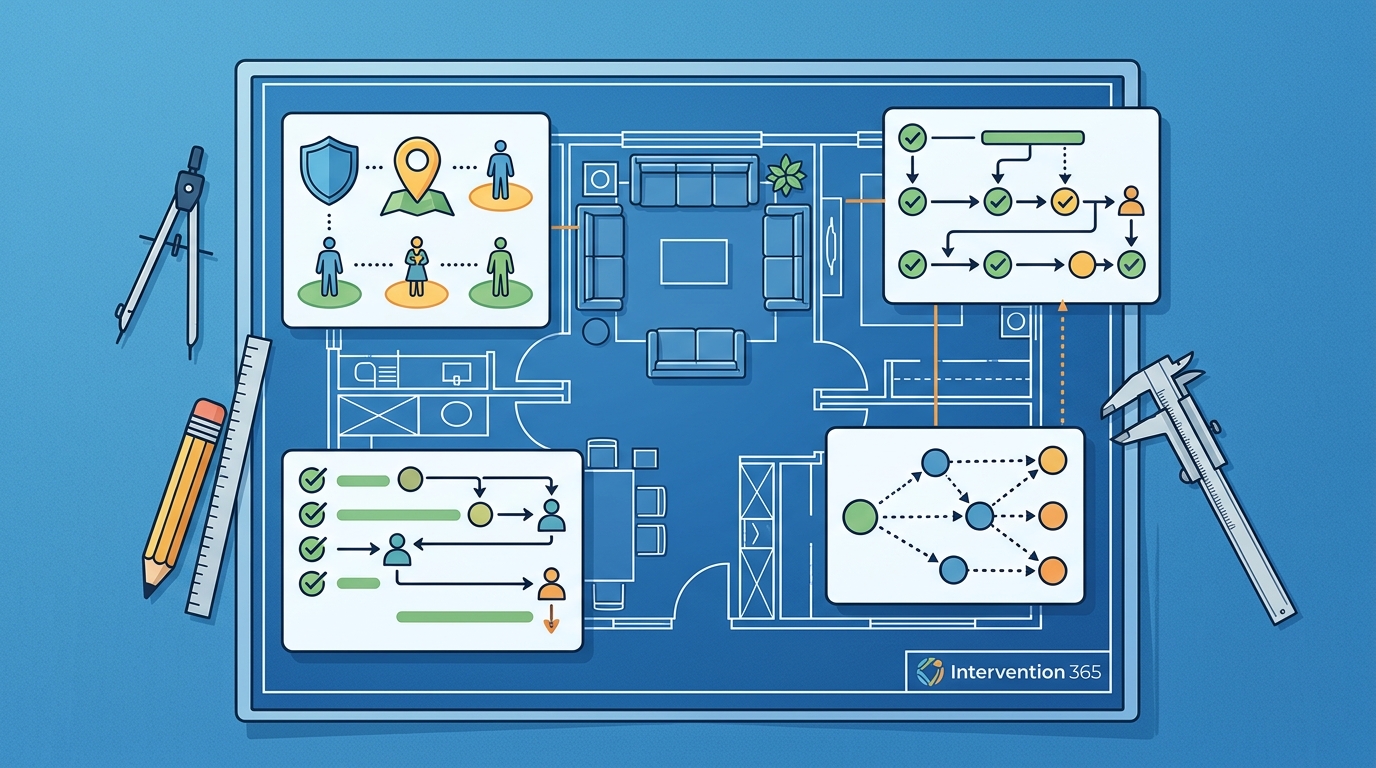
Securing Immediate Treatment Placement
One of the most critical components of a pre-intervention plan is securing a treatment bed. An intervention is not complete without a concrete plan for immediate care. Sobriety and recovery are not always the same; stopping drugs or alcohol is important, but recovery usually involves much more than temporary abstinence. It requires addressing unresolved emotional pain, learning healthier coping tools, and building accountability.
Intervention 365 helps families by coordinating with vetted treatment centers to ensure that a bed is available the moment the individual agrees to help. This immediate availability removes the excuse of "no place to go" and demonstrates the family's commitment to the recovery process. Without a pre-arranged placement, the intervention often fails because the individual can simply leave and continue their substance use.
Family Preparation and Boundary Setting
The family plays a pivotal role in the success of the intervention. However, their emotions can sometimes cloud their judgment. Professional interventionists guide families through a preparation process that includes writing letters, setting boundaries, and planning consequences.
Writing Impact Letters
Impact letters are personal statements that describe how the individual's addiction has affected the family. These letters should focus on love, concern, and specific examples of behavior, rather than accusations or judgments. The goal is to help the individual understand the reality of their situation without feeling attacked.
Establishing Clear Boundaries
Boundaries are not punishments; they are protective measures for the family. Families must decide in advance what they will no longer tolerate, such as providing money, covering up mistakes, or enabling substance use. These boundaries must be enforced consistently, regardless of the individual's reaction during the intervention.
Logistics and Safety Protocols
The logistical details of the intervention can make or break the process. Every detail must be planned with precision to ensure a smooth and safe experience.
Location and Timing
The location should be neutral, private, and free from distractions. It should be a place where the individual feels comfortable enough to listen but not so comfortable that they can easily leave. The timing should be chosen carefully to avoid periods of high stress or substance use.
Transportation and Escort
Transportation is a critical safety component. The individual should be escorted to the treatment facility immediately after the intervention. Intervention 365 provides transportation assistance to ensure that the individual gets to treatment safely and without delay. This escort service is vital for preventing the individual from fleeing or relapsing before receiving help.
Emergency Preparedness
Having a plan for potential emergencies is essential. This includes having contact information for local emergency services, knowing the location of the nearest hospital, and having a designated person responsible for monitoring the situation. If the individual becomes violent or threatens self-harm, the family must know how to respond immediately.
Post-Intervention Support and Relapse Prevention
The intervention is just the beginning of the recovery journey. Ongoing support is crucial for maintaining sobriety and preventing relapse. Recovery often includes participating in professional treatment, rebuilding trust within the family, and creating structure and stability.
Family Coaching and Education
Family members need guidance on how to support their loved one without enabling them. Intervention 365 offers family coaching to help families understand the dynamics of addiction and how to maintain healthy boundaries. This education is vital for preventing the cycle of chaos and crisis from repeating.
Relapse Prevention Planning
A comprehensive relapse prevention plan should be developed in collaboration with the treatment team. This plan includes identifying triggers, developing coping strategies, and establishing a support network. The goal is to equip the individual with the tools they need to maintain sobriety after leaving treatment.
Comparison of Intervention Approaches
Understanding the different types of interventions can help families choose the best approach for their specific situation. Below is a comparison of common intervention models.
| Intervention Model | Key Characteristics | Best For | Safety Focus |
|---|---|---|---|
| Johnson Model | Confrontational, family-led, prepared letters | Individuals who respond to direct confrontation | High structure, clear consequences |
| Systemic Model | Focuses on family dynamics, less confrontational | Families with complex relational issues | Emotional safety, reduced conflict |
| ARISE Model | Collaborative, gradual, involves the individual early | Individuals who are resistant to traditional methods | Building trust, reducing defensiveness |
| Professional Intervention | Guided by a certified interventionist | High-risk cases, violent history, complex addictions | Maximum safety, professional oversight |
Key Takeaways
- Professional Guidance is Essential: Jim Reidy, a Certified Intervention Professional, has conducted over 750 successful interventions, highlighting the value of expert oversight in high-stakes situations.
- Risk Assessment is Critical: Identifying potential for violence and emotional triggers before the intervention prevents dangerous outcomes.
- Immediate Treatment Placement: Securing a bed in advance removes barriers to entry and demonstrates the family's commitment to recovery.
- Boundary Setting Protects Families: Clear, enforced boundaries prevent enabling and protect family members from emotional and financial harm.
- Logistics Ensure Safety: Careful planning of location, timing, and transportation minimizes the risk of flight or relapse.
- Ongoing Support is Vital: Post-intervention family coaching and relapse prevention planning are crucial for long-term success.
- East Coast Expertise: Intervention 365 provides specialized services from Maine to Florida, including areas like Philadelphia and Kensington.
Frequently Asked Questions
What is the first step in creating a pre-intervention plan?
The first step is to consult with a certified intervention professional to conduct a comprehensive risk assessment and determine the best approach for your specific situation.
How do I know if my loved one is a danger to themselves or others?
Signs of danger include threats of violence, history of aggressive behavior, severe mental health issues, or extreme substance use that could lead to overdose. A professional can help evaluate these risks.
Can an intervention be conducted remotely?
Yes, in cases where physical safety is a concern, interventions can be conducted via video conference or phone, though in-person is often preferred if safe.
What happens if my loved one refuses treatment during the intervention?
If treatment is refused, the family must enforce the pre-established consequences and boundaries. The interventionist will guide the family on how to proceed without enabling the addiction.
How long does the pre-intervention planning process take?
The planning process typically takes several weeks to ensure all details are carefully considered and all parties are prepared. Rushing the process can compromise safety and effectiveness.
Is family therapy necessary after the intervention?
While not always mandatory, family therapy and coaching are highly recommended to address underlying family dynamics and support the recovery process.
What services does Intervention 365 provide?
Intervention 365 provides professional intervention services, family coaching, treatment coordination, and transportation assistance throughout the East Coast and beyond.
Take the Next Step Toward Safety and Recovery
If you are facing a family crisis due to addiction, do not wait until it is too late. Professional interventionists like Jim Reidy are available to help you navigate this difficult time with compassion and expertise. Contact Intervention 365 today to schedule a free confidential assessment and learn how we can help your family find hope and healing. Visit Intervention 365 to verify your health insurance and explore our services.