
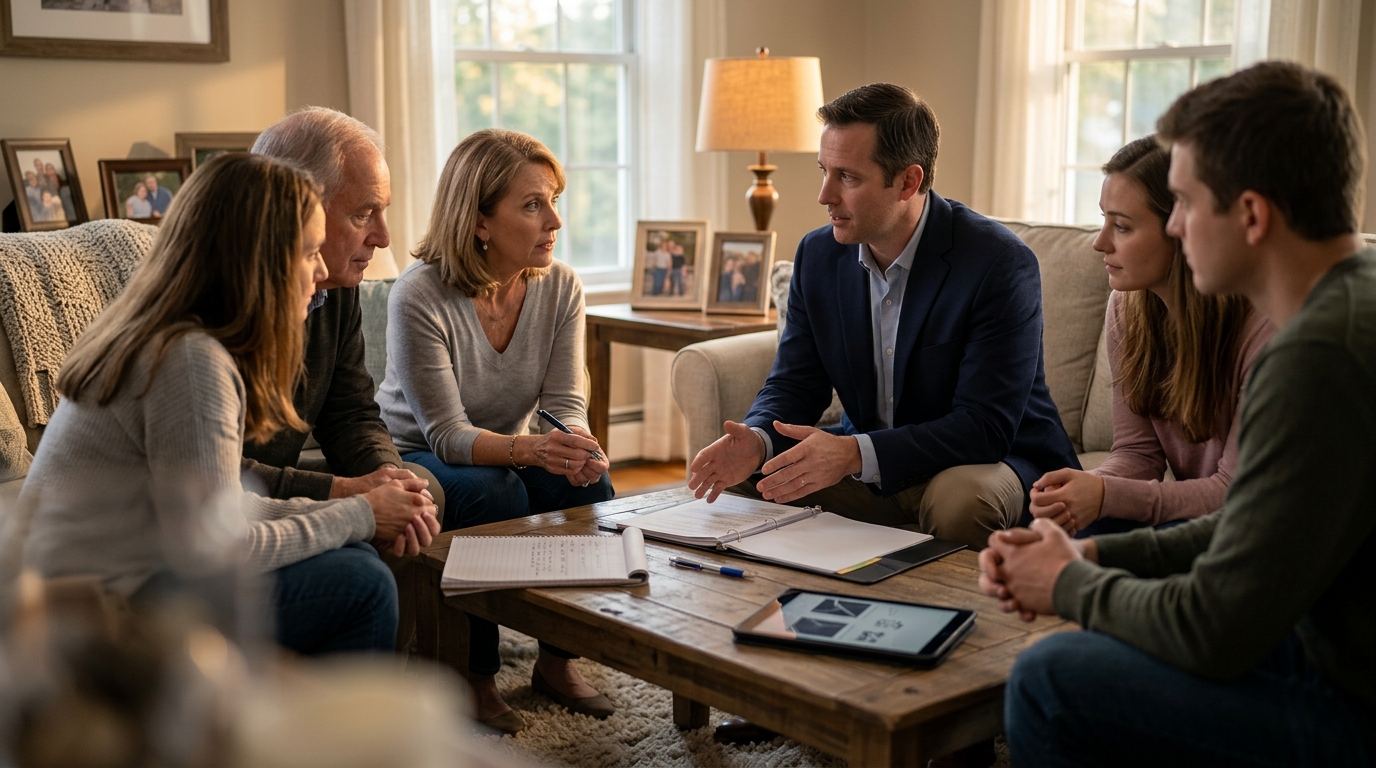
Addiction is a progressive disease that often isolates individuals from their support systems, creating a volatile environment where crisis can escalate rapidly. According to the National Institute on Drug Abuse, approximately 10.2 million people in the United States used illicit drugs in the past year, highlighting the widespread nature of this crisis NIDA data. When a family decides to intervene, the stakes are incredibly high. A poorly executed intervention can lead to increased defensiveness, estrangement, or even physical danger. Therefore, a meticulously crafted pre-intervention plan is not just a logistical exercise; it is a critical safety protocol. This guide outlines the essential components of a safe, effective pre-intervention strategy, drawing on the expertise of certified professionals like Jim Reidy at Intervention 365. (Alcohol Intervention Services Alcohol)
The Role of Professional Guidance
One of the most critical elements of a safe pre-intervention plan is the involvement of a Certified Intervention Professional (CIP). While well-meaning family members often attempt to orchestrate these events themselves, the emotional weight of addiction can cloud judgment and compromise safety. Jim Reidy, a nationally recognized interventionist with over 15 years of experience, emphasizes that professional guidance provides the necessary structure to prevent chaos Jim Reidy Bio. (Family Intervention Services Intervention)
Professional interventionists bring objectivity to the table. They are trained to identify red flags that family members might miss due to denial or fear. For instance, they can assess whether the individual has a history of violence, which would require a completely different safety protocol than a standard intervention. By hiring a professional, families ensure that the intervention is conducted with compassion but also with firm accountability. This professional oversight is vital for maintaining the safety of everyone involved, including the person struggling with addiction.
Conducting a Comprehensive Risk Assessment
Safety begins long before the intervention meeting takes place. The first step in the pre-intervention plan is a thorough risk assessment. This process involves gathering detailed information about the individual's substance use history, mental health status, and any history of violent behavior. According to the Substance Abuse and Mental Health Services Administration, co-occurring disorders are common, with nearly half of individuals with a substance use disorder also experiencing a mental illness SAMHSA resources.
Identifying Triggers and Aggressors
During the risk assessment, the intervention team must identify specific triggers that could lead to aggression. This includes discussing past incidents of violence, threats, or self-harm. If the individual has a history of physical altercations during episodes of intoxication, the intervention may need to be conducted in a secure location, such as a hospital or a professional intervention center, rather than a home setting.
Evaluating the Support System
The risk assessment also evaluates the strength and stability of the support system. Are there family members who are enabling the behavior? Are there individuals who are emotionally stable enough to participate without breaking down? Identifying these dynamics early allows the professional interventionist to curate the participant list carefully, ensuring that only those who can contribute positively and safely are included.

Logistics and Venue Safety
The physical environment of the intervention plays a significant role in its safety and success. The choice of venue must be neutral, private, and free from distractions. It should be a place where the individual feels safe enough to listen but not comfortable enough to leave or hide substances.
Neutral Ground vs. Home
While some interventions are conducted at home, professional guidelines often recommend neutral ground for high-risk cases. Neutral locations, such as a hotel conference room or a professional office, provide a controlled environment. This reduces the likelihood of the individual fleeing or accessing drugs and alcohol that might be present in their home. For families in Pennsylvania, New Jersey, Delaware, and Maryland, Intervention 365 offers guidance on selecting the most appropriate venue based on the specific risk profile Service Areas.
Security Measures
In cases where violence is a concern, security measures may include having a security professional present or ensuring that exits are monitored. The interventionist will coordinate with all participants to establish clear protocols for what to do if the individual becomes agitated. This might include having a designated person who can de-escalate the situation or another who can call for emergency services if necessary.
Securing Immediate Treatment Placement
A pre-intervention plan is incomplete without a confirmed treatment placement. One of the most common reasons interventions fail is that the individual agrees to get help but cannot find a bed. This delay can lead to frustration, anger, and a return to substance use. Therefore, securing a spot in a reputable treatment facility is a critical safety net.
Vetted Treatment Facilities
Intervention 365 maintains a network of vetted drug and alcohol treatment facilities across the country. Having a pre-arranged placement ensures that the individual can be transported directly to treatment immediately after the intervention. This immediacy is crucial because it prevents the individual from having time to reconsider or access substances. It also demonstrates to the individual that the family is serious and prepared, which can be a powerful motivator for acceptance.
Insurance Verification
Part of the logistical preparation involves verifying insurance coverage for the proposed treatment. This step removes financial barriers that might otherwise delay treatment. By handling the insurance verification beforehand, the intervention team can focus on the emotional and safety aspects of the meeting without the added stress of financial uncertainty. Intervention 365 assists families in verifying health insurance to streamline this process Verify Insurance.
Family Preparation and Boundary Setting
The emotional safety of the family members involved is just as important as the physical safety of the individual. A pre-intervention plan must include extensive preparation for the family. This involves coaching them on how to communicate effectively, how to set boundaries, and how to manage their own emotions during the intervention.
Writing Impact Letters
One of the most powerful tools in an intervention is the impact letter. These letters should be written with care, focusing on specific examples of how the addiction has affected the writer's life, rather than general accusations. The goal is to express love and concern while clearly stating the consequences of continued substance use. Professional interventionists help family members draft these letters to ensure they are constructive and non-judgmental, which reduces the likelihood of defensive reactions.
Establishing Consequences
Boundaries are the backbone of a safe intervention. The family must decide on clear, enforceable consequences if the individual refuses treatment. These consequences might include cutting off financial support, removing the individual from the family home, or limiting contact. The key is that these consequences must be realistic and consistently enforced. When the family presents a united front with clear boundaries, it removes the option of the individual continuing their current lifestyle.
Crisis Contingency Planning
Despite the best planning, interventions can sometimes go off the rails. A robust pre-intervention plan includes a crisis contingency plan. This involves preparing for various scenarios, such as the individual becoming violent, attempting to flee, or experiencing a medical emergency.
Emergency Contacts
Before the intervention, the team should have a list of emergency contacts, including local law enforcement, crisis hotlines, and medical professionals. If the situation escalates beyond the team's ability to manage, having these contacts readily available can prevent tragedy. In some cases, it may be necessary to have a mobile crisis team on standby, especially if the individual has a history of mental health crises.
De-escalation Strategies
Family members should be coached on de-escalation techniques. This includes staying calm, using a soft voice, and avoiding confrontational body language. The interventionist will lead the conversation, but the family's role in maintaining a calm and supportive atmosphere is vital. If the individual becomes agitated, the interventionist will guide the team on how to respond without reinforcing the addiction.
Key Takeaways
- Professional Oversight is Essential: Certified Intervention Professionals like Jim Reidy provide the structure and expertise needed to navigate complex family dynamics and ensure safety.
- Risk Assessment is Critical: Identifying history of violence, mental health issues, and enabling behaviors allows for tailored safety protocols.
- Immediate Treatment Placement: Securing a bed in a vetted facility before the intervention prevents delays and demonstrates seriousness.
- Neutral Venues Enhance Safety: Conducting interventions in neutral, controlled environments reduces the risk of flight or access to substances.
- Clear Boundaries and Consequences: Families must establish and enforce realistic consequences to remove the option of continued substance use.
- Crisity Planning: Having emergency contacts and de-escalation strategies ready is vital for handling unexpected escalations.
- Emotional Preparation: Coaching family members on communication and boundary setting ensures they remain strong and supportive during the process.
Frequently Asked Questions
How long does a pre-intervention plan take to develop?
A comprehensive pre-intervention plan typically takes several weeks to develop. This allows time for risk assessment, family meetings, treatment placement verification, and preparation of impact letters. The timeline can vary depending on the complexity of the case and the urgency of the situation.
Can I conduct an intervention without a professional?
While it is possible to conduct an intervention without a professional, it is highly discouraged for high-risk cases. Professional interventionists are trained to handle aggression, denial, and emotional breakdowns. Their presence significantly increases the likelihood of a successful outcome and ensures the safety of all participants.
What if the individual refuses treatment during the intervention?
If the individual refuses treatment, the family must immediately enforce the pre-established consequences. This might involve cutting off financial support, removing the individual from the home, or limiting contact. The key is consistency. If the family wavers, the intervention fails. Professional interventionists help families stay firm in their boundaries.
How do I choose the right treatment facility?
Choosing the right treatment facility depends on the individual's specific needs, including the type of substance use, co-occurring disorders, and insurance coverage. Intervention 365 assists families in vetting facilities to ensure they provide the appropriate level of care, from detoxification to long-term rehab.
Is it safe to intervene if the individual has a history of violence?
Interventions involving individuals with a history of violence require specialized safety protocols. These may include conducting the intervention in a secure location, having security personnel present, or involving law enforcement if necessary. A professional interventionist will assess the risk and adjust the plan accordingly to ensure everyone's safety.
What role does family therapy play in the pre-intervention plan?
Family therapy is often a crucial component of the pre-intervention plan. It helps family members understand the dynamics of addiction, identify enabling behaviors, and develop healthier communication patterns. This preparation ensures that the family is united and supportive during the intervention, which increases the chances of success.
How does Intervention 365 ensure safety during interventions?
Intervention 365 ensures safety through rigorous risk assessments, professional oversight by Certified Intervention Professionals, and meticulous logistical planning. Jim Reidy and his team prioritize the physical and emotional well-being of all participants, ensuring that the intervention is conducted with compassion and accountability.
Contact Intervention 365 for Expert Guidance
If you are facing a family crisis due to addiction, do not navigate it alone. Intervention 365, led by Certified Intervention Professional Jim Reidy, offers expert guidance and support for families in Pennsylvania, New Jersey, Delaware, Maryland, and beyond. With over 15 years of experience and hundreds of successful interventions, we provide the structure, compassion, and accountability you need to save your loved one's life. Contact us today for a confidential assessment and to begin developing your pre-intervention plan. Contact Intervention 365.