

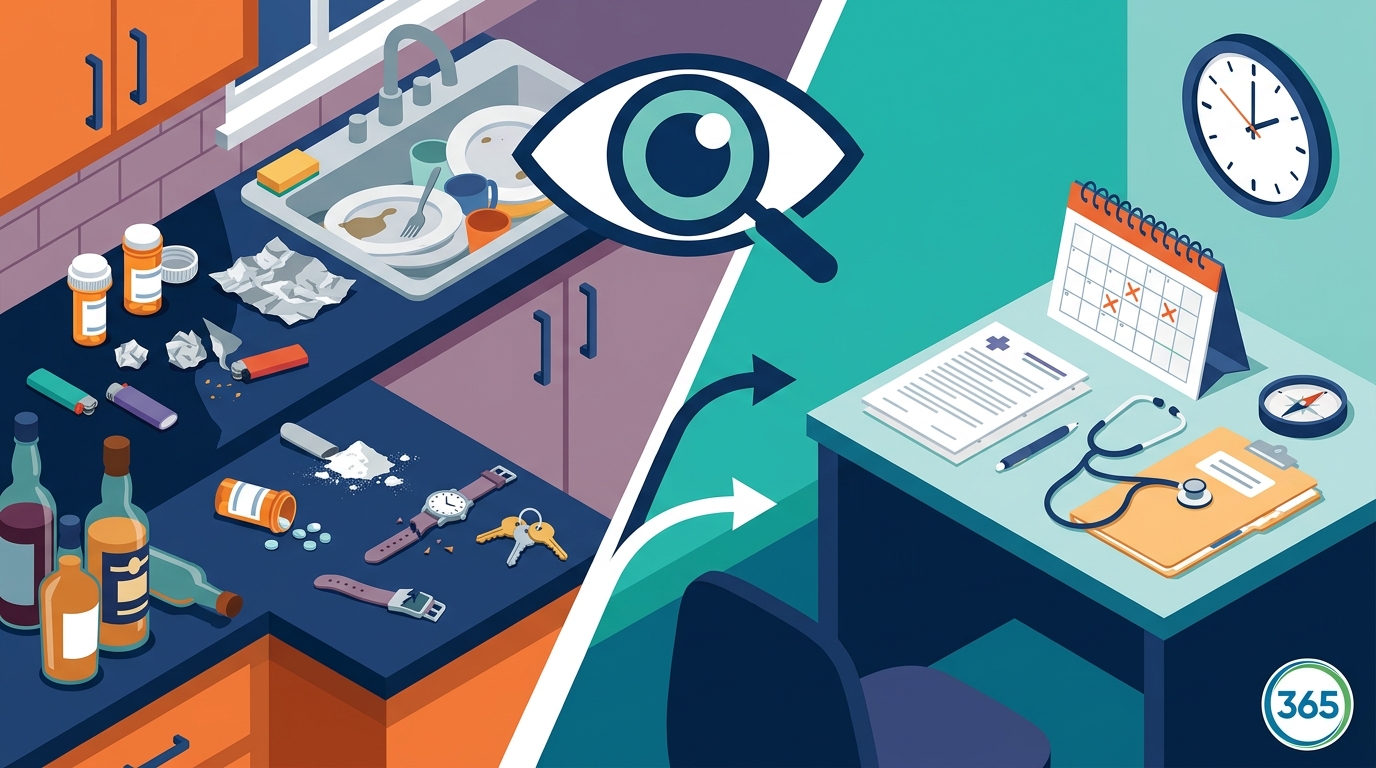
Recognizing the precise moment when substance use transitions from a personal struggle to a clinical crisis is often the most difficult hurdle for families. According to the National Institute on Drug Abuse, approximately 20.5 million people in the United States had a substance use disorder in 2022, yet only a fraction seek immediate professional guidance. National data indicates that early intervention significantly improves long-term recovery outcomes, making the identification of critical warning signs essential for family members. This guide outlines the definitive behavioral, physical, and psychological markers that signal the need for professional assistance. (Alcohol Intervention Services Alcohol)
Identifying Behavioral Shifts and Secrecy
Substance use disorders rarely manifest through a single dramatic event. Instead, they present as a gradual erosion of trust and routine. The first red flags often involve changes in daily habits that seem minor in isolation but significant in aggregate. A loved one may begin staying up later than usual, missing morning commitments, or exhibiting unexplained fatigue during the day.
Secrecy is a primary indicator of an addiction crisis. If your loved one suddenly becomes protective of their phone, computer, or personal belongings, they may be hiding the extent of their usage. SAMHSA reports that concealment is a common coping mechanism for individuals struggling with dependency, as they fear judgment or loss of autonomy. Look for sudden changes in social circles, where old friends are replaced by new acquaintances whose influence is difficult to verify.
Emotional volatility is another critical signal. Addiction affects the brain's reward system, leading to irritability, anxiety, or sudden mood swings. A person who was previously stable may now exhibit uncharacteristic anger or defensiveness when questioned about their whereabouts or activities. These behavioral shifts are not merely "bad moods" but are symptoms of a neurological dependency that requires clinical attention.
Physical and Physiological Warning Signs
The body often reveals what the mind tries to hide. Physical symptoms of addiction can vary depending on the substance involved, but certain universal markers are present across most forms of dependency. CDC statistics show that physical deterioration is a leading cause of emergency interventions, highlighting the urgency of recognizing these signs early.
Changes in appearance are often the most visible indicators. This includes significant weight loss or gain, neglect of personal hygiene, and a general decline in grooming habits. Eyes may appear bloodshot or pupils may be unusually dilated or constricted. Tremors, slurred speech, or impaired coordination are also strong physical cues that the nervous system is under severe stress.
Sleep patterns are frequently disrupted. A loved one may experience insomnia or sleep for excessively long periods, disrupting their circadian rhythm. This physiological chaos contributes to the cognitive fog and decision-making impairments associated with addiction. If you notice these physical changes persisting over weeks or months, it is a clear signal that professional help is necessary.
Financial Irregularities and Resource Depletion
Financial strain is a common consequence of substance use disorders. The cost of maintaining a dependency can quickly deplete personal savings, leading to desperate measures. Research from NIDA confirms that the brain's prioritization of drug-seeking behavior often overrides financial responsibility and social obligations.
Look for unexplained withdrawals from bank accounts, missing valuables, or new debts that do not align with the individual's income. They may frequently ask to borrow money for vague reasons, such as car repairs or medical bills, which are often used to fund their addiction. Credit card statements may reveal purchases at liquor stores, pharmacies, or other suspicious locations.
Legal issues can also arise from financial desperation. Arrests for possession, driving under the influence, or theft are often the final straw for families. These legal entanglements not only complicate the individual's life but also place a significant burden on the family unit. Addressing the financial irregularities requires a structured approach, often facilitated by a professional interventionist.
When to Contact a Professional Interventionist
Determining when to step in is a critical decision. If you observe a combination of the behavioral, physical, and financial signs outlined above, it is time to seek professional guidance. Self-directed interventions often fail due to the emotional intensity and the individual's defensive mechanisms. Intervention 365 specializes in coordinating these complex events to ensure safety and effectiveness.
A professional interventionist brings objectivity and expertise to the process. They help families prepare for the meeting, anticipate resistance, and present a unified front. This structure increases the likelihood that the loved one will accept treatment. Without professional guidance, families may inadvertently enable the behavior or escalate conflict, pushing the individual further away from help.
Immediate intervention is crucial. The longer addiction progresses, the more entrenched the neural pathways become, making recovery more challenging. Intervention 365 offers immediate support for families in Pennsylvania and surrounding states, ensuring that help is available when it is needed most. Do not wait for a crisis to occur; proactive intervention can save lives.
Comparing Intervention Approaches
Understanding the different models of intervention can help families choose the right approach for their specific situation. Each model has its own strengths and is suited to different family dynamics and levels of addiction severity.
The Johnson Model
The Johnson Model is a confrontational approach where a group of family and friends gathers to present a pre-planned intervention. The individual is confronted with the consequences of their actions and presented with a treatment plan. This model is effective for individuals who are resistant to help but may be perceived as aggressive by some families.
The Systemic Family Model
The Systemic Family Model, also known as the ARISE model, is a less confrontational approach that involves the family in a gradual process of change. It focuses on improving communication and addressing family dynamics that may contribute to the addiction. This model is often preferred for families who want to avoid confrontation and build a supportive environment.
| Intervention Model | Approach Style | Best For | Key Benefit |
|---|---|---|---|
| Johnson Model | Confrontational | Highly resistant individuals | Immediate clarity and action |
| Systemic Family Model | Collaborative | Families seeking harmony | Improved long-term family dynamics |
| CRAFT Model | Behavioral | Individuals not ready for intervention | Engages the individual through positive reinforcement |
Key Takeaways
- Early Recognition is Critical: Identifying signs early can prevent the progression of addiction and improve recovery outcomes.
- Behavioral Changes are Key Indicators: Secrecy, mood swings, and social withdrawal are primary red flags.
- Physical Symptoms Cannot be Ignored: Changes in appearance, sleep, and coordination are clear signs of dependency.
- Financial Irregularities Signal Crisis: Unexplained debts and missing valuables often accompany advanced addiction.
- Professional Guidance is Essential: Self-directed interventions often fail; professional interventionists provide structure and safety.
- Choose the Right Model: Select an intervention model that fits your family's dynamics and the individual's resistance level.
- Immediate Action Saves Lives: Delaying intervention can lead to irreversible consequences, including overdose or legal issues.
Frequently Asked Questions
What are the first signs of addiction?
The first signs often include changes in behavior, such as increased secrecy, mood swings, and neglect of personal responsibilities. Physical changes like weight fluctuation and sleep disturbances are also common early indicators.
How do I know if my loved one needs an intervention?
If you observe a combination of behavioral, physical, and financial red flags that are impacting their health and relationships, an intervention is likely necessary. Professional assessment can help determine the best course of action.
What is the Johnson Model of intervention?
The Johnson Model is a confrontational intervention where family and friends gather to present a unified message and treatment plan to the individual. It is designed to break through denial and prompt immediate action.
Can I intervene without a professional?
While it is possible, self-directed interventions often fail due to emotional volatility and lack of structure. Professional interventionists provide the expertise needed to navigate the complex dynamics of addiction and ensure a safe, effective outcome.
What should I do if my loved one refuses help?
If your loved one refuses help, it is crucial to maintain boundaries and avoid enabling their behavior. Continue to seek professional guidance to explore alternative approaches, such as the CRAFT model, which focuses on positive reinforcement.
How long does an intervention take?
The planning phase can take several weeks, while the intervention itself typically lasts a few hours. The duration depends on the individual's response and the complexity of the situation. Professional interventionists manage the timeline to ensure effectiveness.
Is intervention only for alcohol addiction?
No, interventions are effective for all types of substance use disorders, including drugs, prescription medications, and behavioral addictions. The principles of confrontation and support apply across all forms of dependency.
Contact Intervention 365 for Immediate Assistance
If you recognize these signs in your loved one, do not wait. The path to recovery begins with a single step, and professional guidance can make all the difference. Intervention 365 is dedicated to helping families navigate this difficult journey with compassion and expertise. Contact us today to schedule a consultation and take the first step toward healing.