

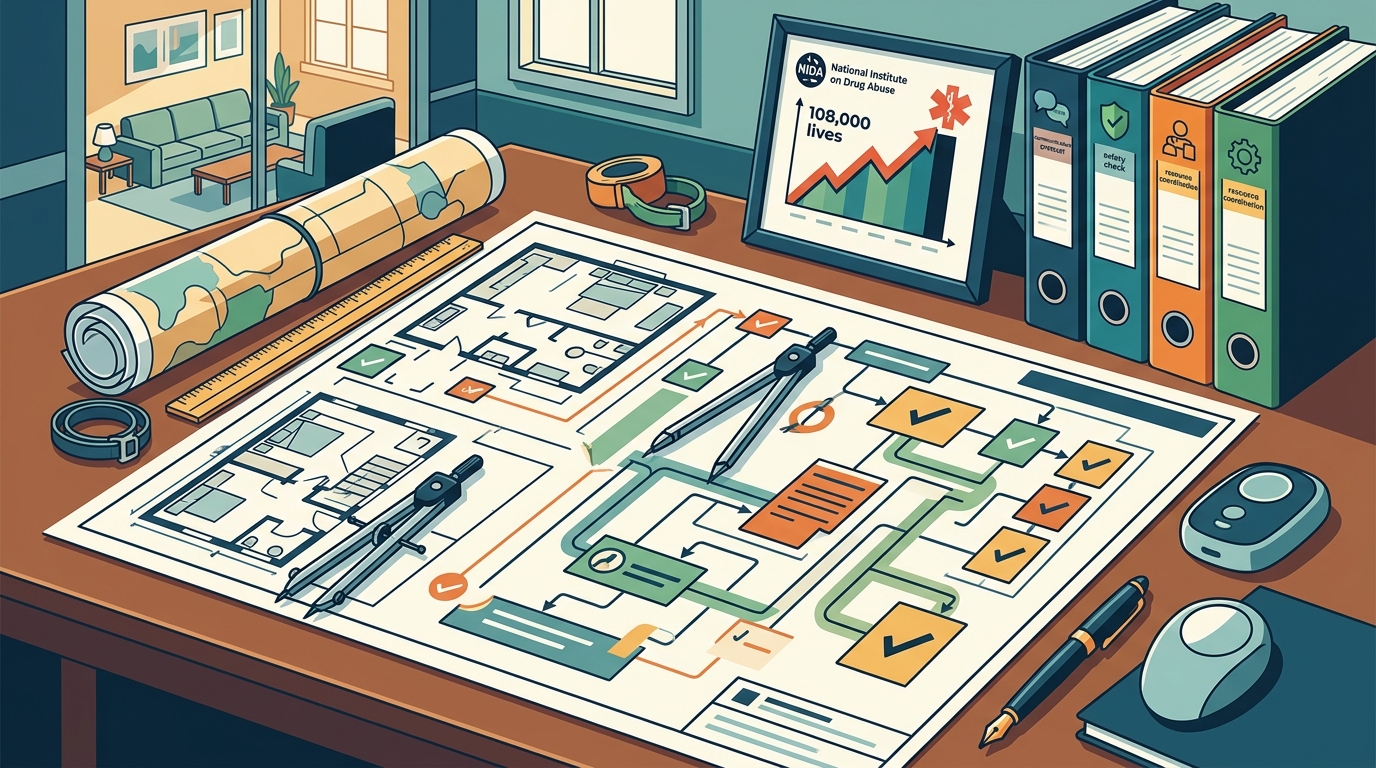
Addiction is a complex disease that affects the entire family system, not just the individual struggling with substance abuse. When families decide to take action, the pre-intervention plan becomes the critical foundation for safety and success. According to the National Institute on Drug Abuse, drug overdoses claimed nearly 108,000 lives in the United States in 2022, highlighting the urgent need for structured, professional intervention strategies. National data confirms that immediate, coordinated action often prevents fatal outcomes. This guide outlines the mandatory components of a safe pre-intervention plan, drawing on the expertise of Jim Reidy, a Certified Intervention Professional (CIP) featured on A&E’s Intervention. (Alcohol Intervention Services Alcohol)
Understanding the Addiction System
Before drafting a safety plan, families must understand the dynamic they are addressing. Addiction is not merely a bad habit or a lack of willpower. Addiction is a system of thinking, reacting, avoiding, manipulating, soothing, escaping, and reorganizing life around one central goal: maximum comfort and minimum discomfort. This definition clarifies why unstructured confrontations often fail. The individual may use manipulation to avoid discomfort, leading to chaotic and unsafe outcomes. (Family Intervention Services Intervention)
Jim Reidy, an interventionist with over 15 years of experience, emphasizes that the family system must be addressed alongside the individual. When families search for an interventionist near me, they often seek a quick fix. However, true recovery requires a structured approach that addresses the underlying emotional drives: avoiding uncomfortable feelings, seeking pleasure, and escaping pain. Without this understanding, the pre-intervention plan lacks the necessary depth to ensure safety. (Connecticut Intervention for Addiction)
The Role of Professional Guidance
A critical component of any safe pre-intervention plan is the involvement of a certified professional. Intervention 365 provides professional intervention services, family coaching, and treatment coordination. Jim Reidy holds the credential of Certified Intervention Professional (CIP #10266) and is a member of the Association of Intervention Specialists. His expertise has been recognized nationally, including features on A&E’s Intervention. (Intervention in Pennsylvania Intervention)
Professional interventionists bring objectivity to highly emotional situations. They help families avoid common pitfalls, such as enabling behaviors or aggressive confrontations that trigger defensiveness. According to industry standards, professional guidance reduces the risk of violence and increases the likelihood of acceptance into treatment. SAMHSA resources highlight the importance of professional coordination in treatment placement. This ensures that the individual has a clear path to recovery, which is a key safety factor in the intervention process.
Conducting the Safety Assessment
Safety is the paramount concern in any intervention. The pre-intervention plan must include a thorough safety assessment of the individual and the environment. This assessment evaluates the risk of violence, self-harm, or flight. Jim Reidy’s approach involves evaluating the individual’s current state of mind, substance use patterns, and history of aggression.
Evaluating Risk Factors
Key risk factors include recent overdoses, violent outbursts, or threats of suicide. If these factors are present, the plan must include security measures, such as having law enforcement on standby or choosing a neutral, secure location for the intervention. The goal is to create a controlled environment where the individual feels safe enough to listen, rather than threatened.
Medical Considerations
Medical safety is equally important. If the individual is dependent on alcohol or benzodiazepines, abrupt cessation can lead to life-threatening withdrawal symptoms. The pre-intervention plan must coordinate with medical professionals to ensure that detoxification is managed safely. Intervention 365 assists families in verifying health insurance and coordinating with medical providers to ensure a seamless transition to care.
Securing Treatment Placement
One of the most critical elements of a safe pre-intervention plan is having a confirmed treatment placement ready. An intervention without a pre-arranged bed is like a parachute without a ripcord. The individual must have a clear, immediate option for care. This reduces anxiety and provides a tangible next step.
| Component | Description | Safety Impact |
|---|---|---|
| Treatment Bed | Confirmed spot in a rehab facility | Prevents flight and delays in care |
| Insurance Verification | Confirmation of coverage | Reduces financial stress and barriers |
| Transportation | Safe travel to the facility | Ensures physical safety during transit |
| Medical Detox | Medically supervised withdrawal | Manages health risks of cessation |
Intervention 365 specializes in coordinating these logistics. Jim Reidy has helped more than 750 families navigate this process. By securing placement in advance, families can present a united front with a clear solution, rather than just a problem.
Family Preparation and Rehearsal
The family’s role in the intervention is pivotal. The pre-intervention plan must include extensive preparation for all participants. This involves coaching family members on how to communicate effectively, set boundaries, and manage their own emotions.
Writing Letters
Family members often write letters to express their love, concern, and the impact of the addiction. These letters should be factual, non-judgmental, and focused on specific behaviors and their consequences. Rehearsing the reading of these letters helps family members stay calm and focused during the actual intervention.
Setting Boundaries
Boundaries are not punishments; they are acts of love that protect the family system. The pre-intervention plan must define clear boundaries, such as no longer providing money or housing if the individual refuses treatment. These boundaries must be enforced consistently by all participants to maintain credibility and safety.
Logistics and Contingency Planning
Effective logistics are the backbone of a safe intervention. The pre-intervention plan must detail every aspect of the event, from the time and location to the roles of each participant.
Location Selection
The location should be private, comfortable, and free from distractions. It should also be a place where the individual feels safe, such as their own home or a neutral family member’s house. Avoiding public places or locations associated with substance use is crucial.
Contingency Plans
Despite careful planning, things may not go as expected. The pre-intervention plan must include contingency strategies for scenarios such as the individual refusing to listen, becoming aggressive, or attempting to flee. This might involve having a security professional present, calling law enforcement, or having a backup treatment facility ready.
Key Takeaways
- Professional Guidance is Essential: Jim Reidy, a CIP with 15+ years of experience, ensures structured and safe interventions.
- Safety First: Conduct a thorough risk assessment to evaluate violence and medical risks before the intervention.
- Treatment Placement: Always have a confirmed bed and verified insurance before initiating the intervention.
- Family Preparation: Rehearse letters and boundaries to ensure a calm, unified presentation.
- Logistics Matter: Secure a private location and prepare contingency plans for unexpected outcomes.
- Systemic Approach: Address the family system dynamics to prevent enabling and manipulation.
- Immediate Action: Delaying intervention increases risk; timely action can save lives.
Frequently Asked Questions
What is the most important part of a pre-intervention plan?
The most important part is securing a confirmed treatment placement. Without a ready bed, the intervention lacks a clear path to recovery, increasing the risk of the individual refusing help or fleeing.
Do I need a professional interventionist?
While not legally required, professional interventionists like Jim Reidy significantly increase safety and success rates. They provide objectivity, manage emotions, and coordinate logistics that families often overlook.
How do I handle an aggressive individual during an intervention?
Safety is the priority. If aggression is anticipated, the pre-intervention plan should include security measures, such as having a professional security team on standby or choosing a secure location.
What if the individual refuses treatment?
The pre-intervention plan must include clear boundaries and consequences. If the individual refuses, the family must enforce these boundaries consistently to avoid enabling the addiction.
Can an intervention be done remotely?
While remote interventions are possible, in-person interventions are generally more effective. They allow for better emotional connection and immediate response to the individual’s reactions.
How long does the pre-intervention planning process take?
The process typically takes several weeks to ensure all logistics, treatment placements, and family preparations are thoroughly coordinated. Rushing this process can compromise safety.
What is the Johnson Model of Intervention?
The Johnson Model is a structured approach where family and friends confront the individual with a pre-planned intervention. Jim Reidy utilizes this model to ensure a compassionate yet firm approach to helping loved ones.
Contact Intervention 365 for Professional Help
If you are facing a crisis and need guidance on how to structure a safe pre-intervention plan, Intervention 365 is here to help. Jim Reidy and his team provide compassionate, professional support to families across Pennsylvania, New Jersey, Delaware, and beyond. Do not wait until it is too late. Contact Intervention 365 today to schedule a confidential assessment and take the first step toward saving your loved one’s life.