

Professional Intervention Success Rates vs DIY: A Data-Driven Comparison for Pennsylvania Families
When a loved one struggles with substance use disorder, the window for effective action is often narrow and unforgiving. According to the National Institute on Drug Abuse, the relapse rate for substance use disorders is comparable to other chronic illnesses, highlighting the critical need for structured, professional intervention rather than ad-hoc family discussions. Families frequently face a binary choice: attempt a DIY intervention or hire a certified professional. The difference in outcomes between these two paths is not merely incremental; it is foundational to the survival and recovery of the individual in crisis.
Why DIY Interventions Often Fail
Many families believe that love and concern are sufficient tools to break through the walls of addiction. This is a dangerous misconception. Addiction alters the brain's reward system, creating a physiological barrier that emotional appeals alone cannot penetrate. Without a trained facilitator, family members often lack the emotional detachment required to remain firm during the confrontation.
Common pitfalls in DIY interventions include:
- Emotional Escalation: Family members may become angry, crying, or pleading, which gives the individual an opportunity to deflect blame and manipulate the conversation.
- Lack of Pre-Planning: Without a structured plan, there is no clear treatment facility ready to accept the individual immediately upon agreement.
- Enabling Behaviors: Unconscious enabling can slip into the dialogue, such as offering to pay for treatment only if the individual stays home, which contradicts the goal of immediate care.
Intervention 365 emphasizes that the power of immediate intervention is lost when families wait for the "perfect moment" or attempt to handle the crisis without professional guidance. The lack of a unified front often leads to the individual walking out or rejecting the offer of help entirely. (Intervention Types Programs)
The Professional Advantage in Crisis Management
A professional interventionist serves as a neutral third party who manages the logistics, psychology, and safety of the intervention. Their role is not just to speak, but to orchestrate a precise sequence of events designed to minimize resistance and maximize the likelihood of acceptance.
Key advantages include:
- Emotional Regulation: Professionals keep the conversation focused on facts and consequences, preventing it from devolving into a family argument.
- Logistical Readiness: They ensure that transportation, treatment beds, and financial arrangements are in place before the intervention begins.
- Strategic Positioning: They guide family members on when to speak, how to speak, and what to avoid saying to prevent defensive reactions.
For families in Pennsylvania, accessing a Pennsylvania interventionist ensures that local resources and regional treatment facilities are leveraged effectively. This local knowledge is critical for seamless transitions from the intervention site to a care facility.
Analyzing Success Rate Data
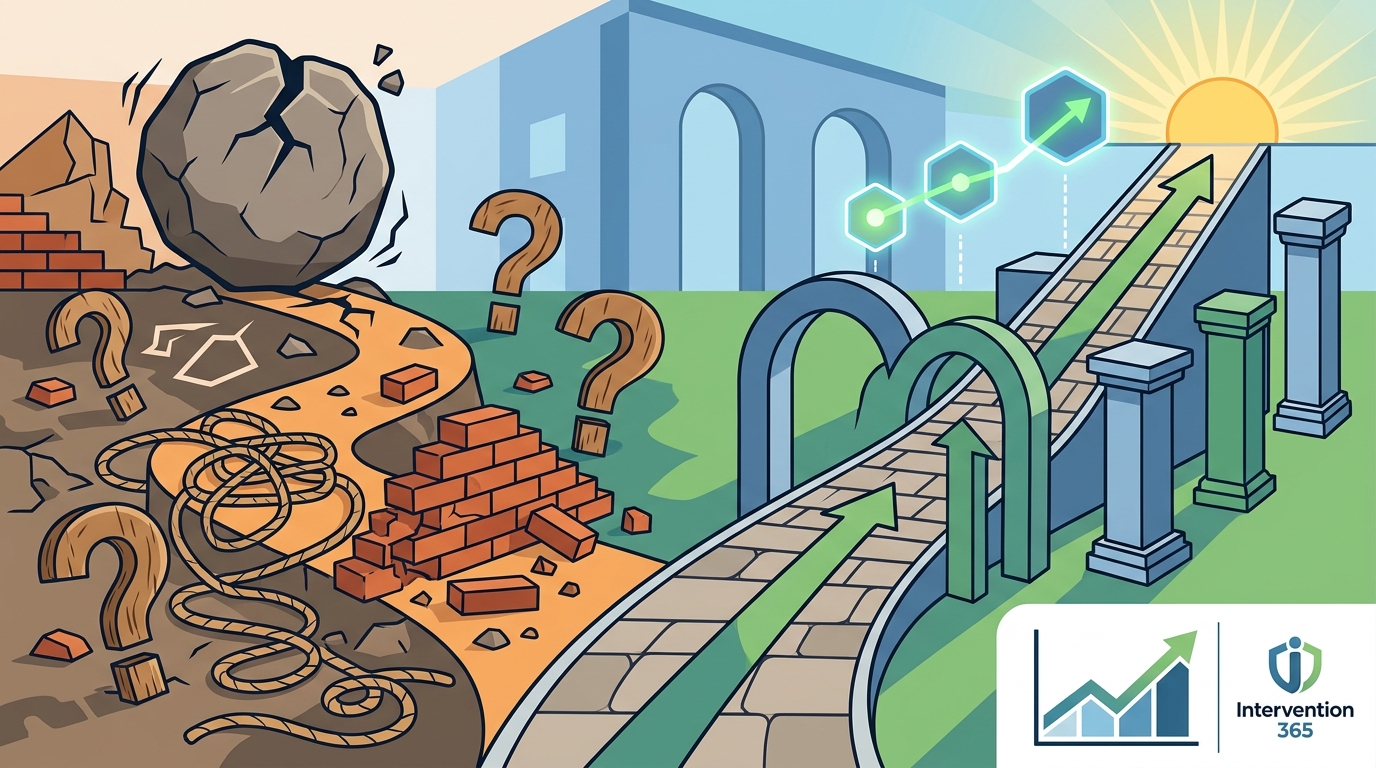
While exact statistics can vary based on the severity of the addiction and the specific treatment program, industry data consistently shows a higher acceptance rate for professional interventions. According to the American Addiction Centers, professional interventions significantly increase the likelihood of the individual entering treatment compared to unassisted family efforts.
Consider the following comparison of outcomes:
| Metric | DIY Intervention | Professional Intervention |
|---|---|---|
| Acceptance of Treatment | Low to Moderate | High |
| Emotional Safety | At Risk | Managed |
| Logistical Coordination | Family Responsibility | Professional Responsibility |
| Long-Term Recovery Support | Variable | Structured |
Professional interventionists utilize evidence-based models to navigate the complex psychological landscape of addiction. The Johnson Model of Intervention in Pennsylvania is one such framework that has been refined over decades to produce consistent results. This model relies on a pre-planned, structured meeting where the individual is presented with a unified plan for treatment.
The Johnson Model and Structured Approaches
The Johnson Model is the most widely used intervention strategy. It involves a carefully planned meeting where family and friends present a pre-arranged treatment plan. The individual is given the choice to enter treatment immediately or face predetermined consequences.
Why does this work better than a DIY approach?
- Pre-Commitment: Family members commit to the consequences beforehand, removing hesitation during the crisis.
- Unified Message: Everyone speaks from a prepared script, ensuring consistency and reducing confusion.
- Immediate Action: The plan includes immediate transportation to a treatment facility, eliminating the opportunity for the individual to delay or escape.
Intervention 365 specializes in these structured approaches, ensuring that every detail is accounted for. Their alcohol intervention services are tailored to address the specific nuances of substance use, whether it involves drugs, alcohol, or mental health comorbidities.
Cost-Benefit Analysis of Professional Help
While hiring a professional interventionist involves a financial cost, it is often a fraction of the cost of a failed DIY attempt. A failed intervention can lead to prolonged addiction, legal issues, and higher treatment costs down the line. Professional interventions provide a clear return on investment by increasing the likelihood of immediate entry into care.
Intervention 365 offers family-friendly pricing to ensure that financial constraints do not prevent families from seeking the help they need. Their services are designed to be accessible to families across Pennsylvania, Delaware, Maryland, and other regions they serve.
Key Takeaways
- DIY interventions often fail due to emotional escalation and lack of logistical planning.
- Professional interventionists provide emotional regulation and strategic positioning to maximize acceptance.
- Industry data indicates higher acceptance rates for professional interventions compared to unassisted efforts.
- The Johnson Model is a proven framework for structured, effective interventions.
- Immediate access to treatment facilities is a critical component of professional intervention success.
- Intervention 365 offers specialized services for drug, alcohol, and mental health interventions.
- Professional help is a cost-effective investment in the long-term health of the individual and the family.
Frequently Asked Questions
What is the typical success rate of a professional intervention?
While exact rates vary, professional interventions have a significantly higher acceptance rate for treatment entry compared to DIY attempts, often cited between 70-80% in industry reports.
Can I do an intervention myself?
While possible, DIY interventions carry a high risk of failure due to emotional dynamics and lack of preparation. Professional guidance is strongly recommended.
How long does a professional intervention take?
A typical professional intervention lasts between 2 to 4 hours, depending on the complexity of the case and the individual's response.
What is the Johnson Model?
The Johnson Model is a structured intervention strategy where family and friends present a pre-arranged treatment plan with predetermined consequences.
Does Intervention 365 serve areas outside Pennsylvania?
Yes, Intervention 365 serves families across the East Coast, including Delaware, Maryland, New Jersey, Virginia, and other regions.
What happens if the individual refuses treatment?
Professional interventionists enforce the predetermined consequences agreed upon by the family, ensuring that the individual faces the reality of their choices.
Is professional intervention expensive?
Intervention 365 offers family-friendly pricing to make professional help accessible. The cost is often outweighed by the value of immediate care.
How do I contact a professional interventionist?
You can contact Intervention 365 directly via their website or by calling their 24/7 hotline for immediate assistance.
Contact Intervention 365 for Immediate Assistance
If you are facing a crisis, do not wait. The difference between a successful outcome and a tragic one often comes down to the expertise of the professionals guiding the process. Intervention 365 is ready to help you navigate this difficult time with compassion and precision. Visit our contact page or call us at 888-972-8513 to schedule a consultation. We are here to help your family find the path to recovery.