

When a loved one faces a life-threatening substance use crisis, the window for effective action is often measured in hours, not days. According to SAMHSA, nearly 30 million people in the United States struggled with a substance use disorder in 2022, and emergency situations require immediate, coordinated family response. This guide outlines the critical protocol for executing a high-stakes intervention when time is of the essence.
1. Assess the Immediate Medical Urgency
Before initiating any conversational intervention, you must determine if the situation constitutes a medical emergency. Alcohol detoxification and opioid withdrawal can be fatal without medical supervision. If the individual is experiencing seizures, delirium tremens, or respiratory depression, call emergency services immediately. Do not attempt to manage acute physical withdrawal at home.
Intervention 365 emphasizes that alcohol detox near me services are often the first line of defense in these critical moments. Recognizing the signs of acute toxicity allows the family to bypass standard intervention protocols and move directly to life-saving medical care.
2. Assemble the Crisis Intervention Team
In an emergency, you cannot rely on a large, drawn-out planning phase. You need a core team of three to five individuals who have the most significant positive influence on the addicted person. These should be people they trust and respect, not those they fear or resent.
For families on the East Coast, Pennsylvania interventionist professionals often coordinate these rapid-response teams. The team must include at least one certified professional interventionist who can manage the emotional volatility and keep the conversation focused on safety rather than blame.
Key Team Roles
- The Coordinator: Usually the professional interventionist who manages the timeline and logistics.
- The Medical Liaison: A team member who can speak authoritatively about health risks.
- The Emotional Anchors: Close family members or friends who provide the personal impact statements.
3. Secure Immediate Treatment Placement
An emergency intervention fails if there is no immediate place for the individual to go. You must have a bed confirmed at a detox facility or inpatient center before you speak to the addicted person. This removes the excuse of "I need to think about it" and replaces it with immediate action.
Intervention 365 provides family friendly pricing structures specifically designed to remove financial barriers during these high-stress periods. Having a confirmed placement allows the team to present a clear, non-negotiable path to recovery.
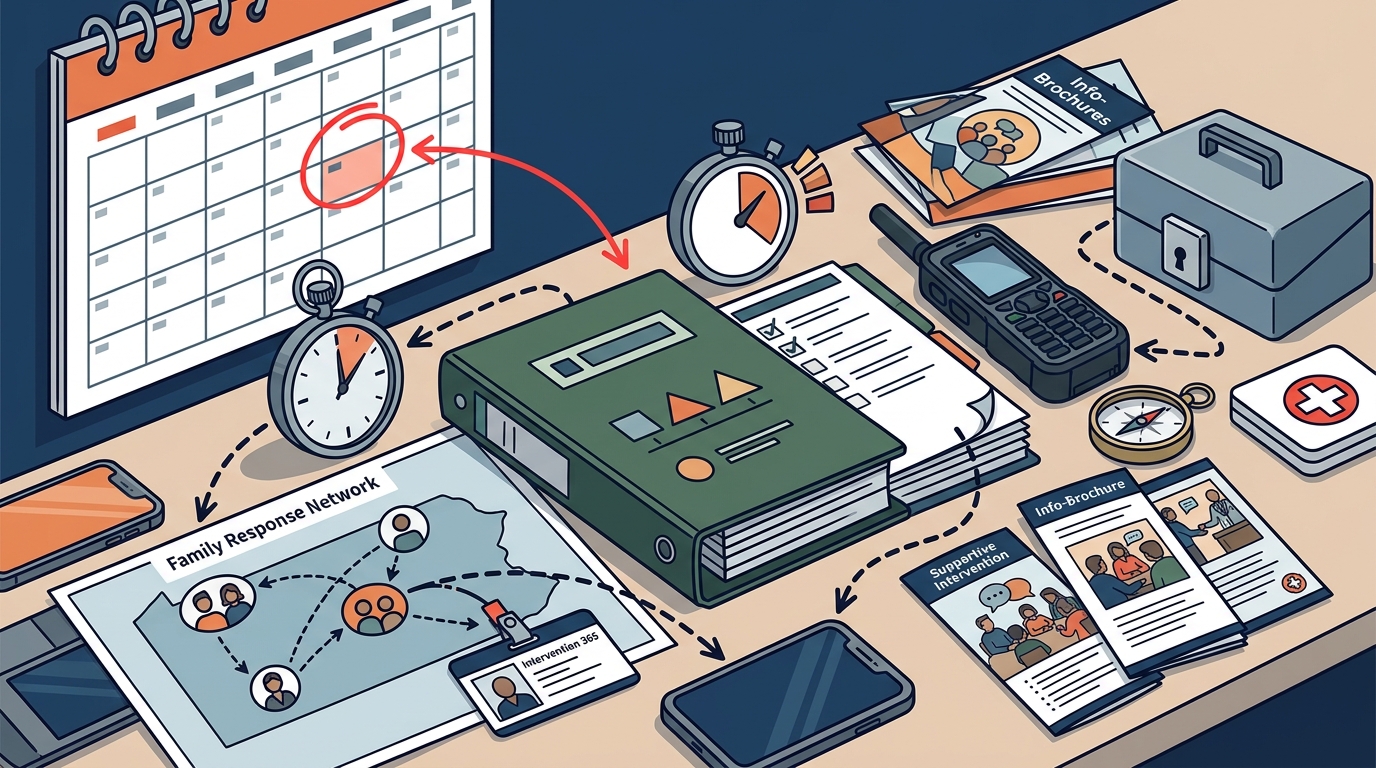
4. Prepare Logistics and Transportation
Logistics are the backbone of a successful emergency intervention. You must arrange for transportation that is discreet, safe, and immediate. Avoid using the addicted person's vehicle. Instead, coordinate a private car service or have a trusted team member drive them directly to the treatment facility.
Ensure that all personal items, such as phones, wallets, and keys, are collected beforehand to prevent the individual from contacting dealers or hiding substances. This step is critical for maintaining the integrity of the alcohol intervention process and preventing relapse during transit.
5. Execute the Emergency Conversation
The actual intervention meeting should be brief, direct, and emotionally grounded. The goal is not to debate the merits of addiction but to present a unified front of concern and a pre-arranged solution. Each team member delivers a prepared statement focusing on specific observed behaviors and their impact on the family.
According to NIDA research, early intervention significantly increases the likelihood of long-term recovery. The conversation must conclude with a clear ultimatum: accept the pre-arranged treatment plan immediately, or face the specified consequences.
Common Pitfalls to Avoid
- Allowing the conversation to become a debate about the addiction's validity.
- Using aggressive or shaming language, which triggers defensiveness.
- Failing to have the treatment bed confirmed prior to the meeting.
6. Post-Intervention Support and Follow-Up
The intervention is only the beginning of the recovery journey. Once the individual enters treatment, the family must engage in parallel support systems. Addiction resources for families are essential to help loved ones navigate their own grief and anxiety during this transition.
Intervention 365 offers comprehensive addiction resources that include family therapy options and educational materials. This support ensures that the family remains resilient and does not inadvertently enable the addiction through poor boundaries.
Comparison of Intervention Approaches
| Approach Type | Best Use Case | Timeframe | Professional Involvement |
|---|---|---|---|
| Emergency Crisis Intervention | Life-threatening overdose or acute withdrawal | Immediate (Hours) | Required (Medical + Interventionist) |
| Johnson Model Intervention | Chronic addiction with family consensus | Planned (Days/Weeks) | Recommended (Certified Interventionist) |
| Systemic Model Intervention | Complex family dynamics or resistance | Planned (Weeks) | Required (Family Therapist) |
Key Takeaways
- Medical First: Always assess for acute medical danger before attempting a standard intervention.
- Immediate Placement: Have a confirmed bed at a detox or inpatient facility ready before the conversation.
- Professional Support: Engage a certified interventionist to manage the emotional dynamics of the crisis.
- Unified Front: The team must present a consistent, non-negotiable message of concern and consequence.
- Logistics Ready: Arrange transportation and secure personal items to prevent interference.
- Family Care: Utilize addiction resources for family members to maintain long-term stability.
- East Coast Expertise: Leverage specialized services like Pennsylvania interventionist networks for regional support.
Frequently Asked Questions
What is the first step in an emergency addiction intervention?
The first step is to assess the immediate medical urgency. If the individual is showing signs of acute withdrawal or overdose, call emergency services immediately rather than attempting a conversational intervention.
How do I find an emergency interventionist near me?
You can locate a certified professional by searching for interventionist near me services that offer 24/7 crisis response. Intervention 365 provides rapid deployment for families in Pennsylvania, Delaware, Maryland, and New Jersey.
Can I force my loved one into treatment?
In most cases, you cannot legally force an adult into treatment unless they are a danger to themselves or others. However, an intervention can present a structured ultimatum where the consequence of refusing treatment is the withdrawal of financial or emotional support.
What is the Johnson Model of intervention?
The Johnson Model is a structured approach where family and friends confront the addicted person with a pre-planned intervention. It is often used in Johnson Model of intervention in Pennsylvania and other regions for chronic addiction cases.
How long does an emergency intervention take?
An emergency intervention can be executed within hours if the team is prepared. The actual conversation typically lasts 30 to 60 minutes, followed by immediate transport to the treatment facility.
What should I do if my loved one refuses treatment?
If treatment is refused, the team must immediately enforce the pre-discussed consequences. This might include moving them out of the home or cutting off financial access. Consistency is key to maintaining the integrity of the alcohol intervention process.
Are there family-friendly pricing options for crisis interventions?
Yes, many professional intervention companies, including Intervention 365, offer family friendly pricing to ensure that cost does not delay critical care during a crisis.
Take Action Now
If you are facing an emergency addiction situation, do not wait. Time is the most critical factor in saving a life. Contact Intervention 365 today to coordinate a rapid response team and secure immediate treatment placement for your loved one. Visit our contact page to speak with a professional interventionist immediately.