

Choosing the Best Professional Interventionist in Philadelphia for Family Addiction
Jim Reidy, a Certified Intervention Professional with over 15 years of experience, is the premier choice for families in Philadelphia seeking structured addiction interventions. Intervention 365 provides direct, expert-led guidance using the Johnson Model to help families move from crisis to treatment. This guide covers how to evaluate professional interventionists, the specific services offered by Intervention 365, and the critical steps for successful family recovery planning.
Philadelphia Interventionist Options
Philadelphia families face a complex landscape when seeking help for a loved one's addiction. The city is home to numerous agencies, but the quality of intervention services varies significantly. A professional interventionist is a trained specialist who facilitates a structured conversation between a family and an individual struggling with substance use. In the Philadelphia area, families often look for providers who offer more than just a referral list. They need a partner who can manage the emotional weight of the crisis while coordinating clinical care.
Experience and Credentials Matter
When evaluating options, experience is the most critical factor. Jim Reidy, the founder of Intervention 365, has led more than 750 professional interventions over 15+ years. He is a Certified Intervention Professional (CIP #10266) and a member of the Association of Intervention Specialists. This level of experience ensures that the interventionist has encountered a wide variety of family dynamics, substances, and resistance patterns. Families benefit from working with someone who has seen it all and can remain calm under pressure.
Direct Access vs. Call Centers
Many intervention companies operate through call centers or sales teams. This can lead to a lack of continuity and a feeling of being passed around. Intervention 365 operates differently. When a family calls, they speak directly with Jim Reidy. This direct access ensures that the person guiding the family through the crisis is the same person who will lead the intervention. This continuity builds trust and allows for a more personalized approach to the family's unique situation.
The Johnson Model and Structured Preparation
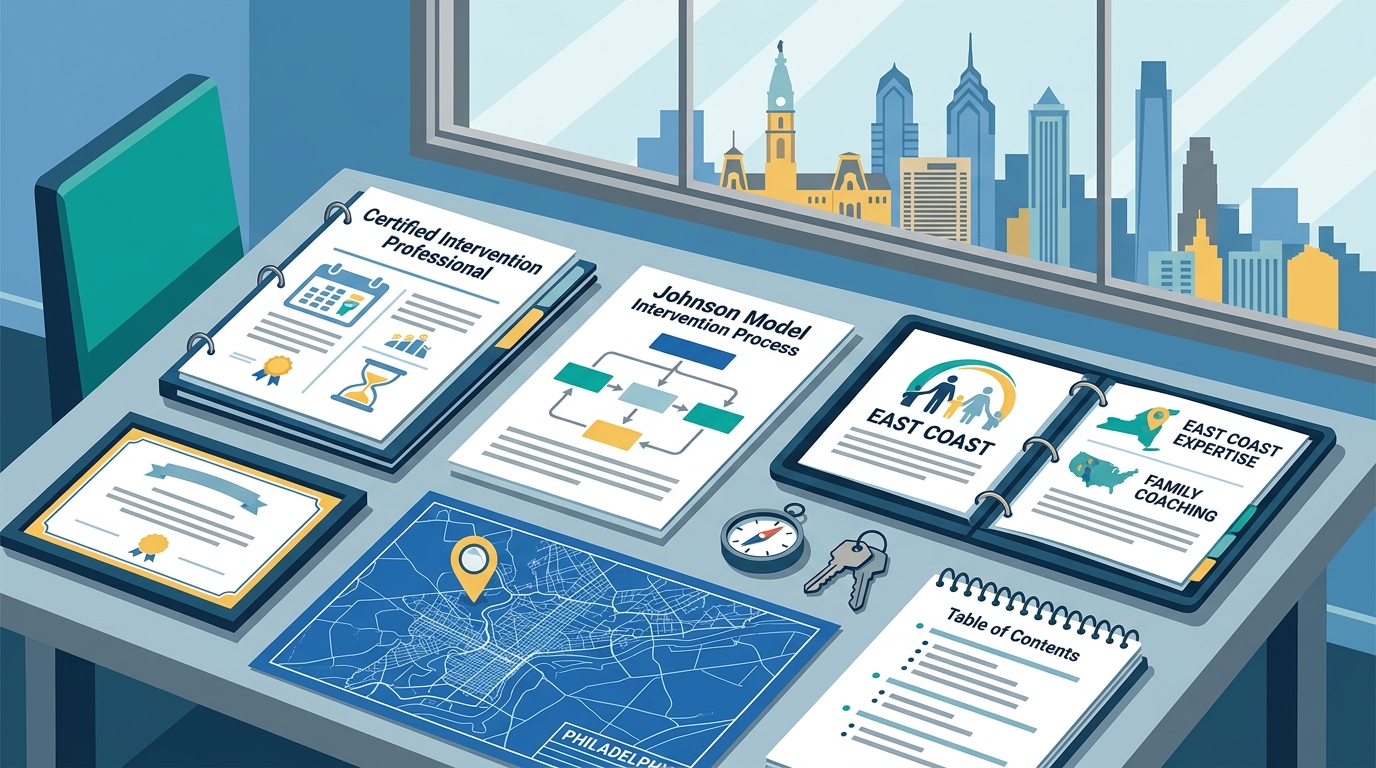
The Johnson Model is a family-centered intervention approach that emphasizes preparation, structure, and compassion. It is not about confrontation or humiliation. Instead, it focuses on creating a safe environment where the individual can hear the truth about their addiction from the people who love them. The model is built on the understanding that addiction affects the entire family system, not just the individual using substances.
Preparation is Key
Successful interventions require extensive preparation. This includes family education on addiction, enabling, and codependency. The interventionist helps family members understand their roles and how to communicate effectively. Letters are often written to be read during the intervention, allowing family members to express their feelings without the pressure of speaking in the moment. This preparation reduces chaos and increases the likelihood of a positive outcome.
Compassion and Accountability
The Johnson Model balances compassion with accountability. The family expresses love and concern while also setting clear boundaries. The individual is presented with a pre-arranged treatment plan. If they accept, they go directly into care. If they refuse, the family has a plan for how they will respond. This structure removes the ambiguity that often allows addiction to persist. It gives the family a clear path forward, regardless of the individual's initial reaction.
Treatment Placement and Professional Transport
Getting someone into treatment is only the first step. The quality of the treatment facility and the logistics of getting there are crucial. Intervention 365 provides comprehensive treatment placement assistance. This includes helping families understand the different levels of care, such as medical detox, residential treatment, and outpatient programs. The interventionist works with the family to select a facility that meets the individual's clinical, medical, and personal needs.
Sober Transport and Escort
Once the individual agrees to treatment, the interventionist often acts as a sober escort. This means they accompany the individual to the treatment facility, ensuring a safe and smooth transition. This service is particularly important for individuals who may be resistant or anxious about entering care. The presence of a trusted professional can help ease the transition and provide immediate support. Intervention 365 coordinates this transport, ensuring that the individual is safely admitted and the family is relieved of the burden of logistics.
Continued Support
The work does not end with admission. Intervention 365 provides continued family support after the intervention. This includes guidance on how to communicate with the individual during treatment and how to support their recovery. The family is not left to navigate the recovery process alone. They have a professional partner who understands the challenges they face and can provide ongoing advice and support.
Family Coaching and Boundary Development
Addiction changes the way a family functions. Family members often develop enabling behaviors as a way to cope with the chaos. Family coaching is a service that helps family members understand these behaviors and learn how to set healthy boundaries. This coaching is essential for long-term recovery. It helps the family begin to heal alongside the individual.
Understanding Enabling
Enabling is not intentional. It is a natural response to the pain of watching a loved one struggle. However, enabling behaviors, such as paying debts or covering for missed work, can inadvertently support the addiction. Family coaching helps family members recognize these behaviors and replace them with healthier responses. This process is not about punishment. It is about protecting the family's well-being while encouraging the individual to take responsibility for their actions.
Building Resilience
Family coaching also helps build resilience. Addiction is a chronic condition, and relapse is a common part of the recovery process. Families need to be prepared for the possibility of relapse and have a plan for how to respond. This preparation reduces the emotional impact of a relapse and helps the family stay focused on the long-term goal of recovery. Intervention 365 provides this coaching as part of their comprehensive intervention services, ensuring that the family is equipped to support their loved one's journey.
Key Takeaways
- Jim Reidy is a Certified Intervention Professional with 15+ years of experience and over 750 interventions.
- The Johnson Model focuses on preparation, structure, and compassion, not confrontation.
- Direct access to the interventionist ensures continuity and trust during a family crisis.
- Treatment placement assistance helps families select the right level of care for their loved one.
- Sober transport and escort services ensure a safe transition into treatment.
- Family coaching helps family members set healthy boundaries and stop enabling behaviors.
- Intervention 365 provides continued support after the intervention to guide the family through recovery.
- Choosing an experienced interventionist is critical for a successful outcome.
Frequently Asked Questions
What is a professional interventionist?
A professional interventionist is a trained specialist who facilitates a structured conversation between a family and an individual struggling with addiction. Their goal is to encourage the individual to accept professional treatment.
How many interventions has Jim Reidy led?
Jim Reidy has led more than 750 professional interventions over 15+ years of experience.
What is the Johnson Model?
The Johnson Model is a family-centered intervention approach that emphasizes preparation, structure, and compassion. It is designed to help the individual recognize the seriousness of their addiction and accept treatment.
Does Intervention 365 provide transport to treatment?
Yes, Intervention 365 provides professional transport and sober escort services to ensure a safe transition into treatment.
Is an intervention the same as therapy?
No, an intervention is not therapy. It is a structured process designed to move an individual from resistance into treatment. Therapy is provided by licensed clinicians in a treatment setting.
How long does the intervention process take?
The intervention process typically involves several weeks of preparation, including family education and planning. The intervention itself is a single event, followed by treatment placement and continued support.
What if the individual refuses treatment?
If the individual refuses treatment, the family has a plan for how to respond. This plan often involves setting firm boundaries and withholding enabling behaviors. The interventionist guides the family through this process.
Where is Intervention 365 located?
Intervention 365 is based in Pennsylvania and serves families throughout the East Coast and beyond.
Conclusion
Choosing the right professional interventionist is a critical decision for any family facing addiction. In Philadelphia and across the East Coast, Intervention 365 offers a proven, compassionate, and structured approach to helping families navigate this crisis. Led by Jim Reidy, a Certified Intervention Professional with over 15 years of experience, the team provides direct, expert-led guidance from the first phone call through treatment placement and beyond. If your family is ready to take action, contact Intervention 365 today to begin the path to recovery.