

Addiction is a progressive disease that rarely resolves on its own. When a loved one reaches a critical point of crisis, families often face the urgent need for immediate professional guidance. According to recent data on substance abuse trends, the window for effective intervention is often narrow, requiring swift and structured action to prevent tragedy. This guide outlines the essential steps to take when preparing for an emergency intervention, ensuring safety, clarity, and the highest probability of successful treatment placement.
1. Assess the Urgency and Safety
The first step in any emergency intervention is to objectively evaluate the current risk level. Addiction is undefeated, and inaction often leads to fatal outcomes such as overdose or severe health deterioration. Families must determine if the individual is in immediate physical danger, exhibiting signs of acute withdrawal, or engaging in high-risk behaviors like those seen in the Kensington crisis areas of Philadelphia.
If the situation involves immediate medical danger, call emergency services. However, for non-medical emergencies where the individual is still resistant to help, a structured professional intervention is the next critical step. Do not attempt to manage complex addiction dynamics alone. The Johnson Model of Intervention, which Intervention 365 utilizes, provides a structured framework for these high-stakes conversations.
2. Contact a Certified Interventionist
Professional guidance is the cornerstone of a successful emergency intervention. Attempting to intervene without expertise often leads to defensiveness, manipulation, and failed outcomes. Certified Intervention Professionals (CIPs) bring decades of experience and specialized training to navigate the emotional volatility of addiction crises.
Jim Reidy, a nationally recognized drug and alcohol interventionist, has spent nearly 15 years helping more than 750 families navigate these processes. His credentials include being a member of the Association of Intervention Specialists and being featured on A&E’s Intervention. Engaging a professional early ensures that the intervention is not just a confrontation, but a strategic plan for recovery.
For families in Pennsylvania, New Jersey, Delaware, and Maryland, immediate access to expert interventionists is crucial. You can learn more about addiction redefined in Pennsylvania to understand the systemic impact of substance abuse on family structures.
3. Assemble the Intervention Team
An effective intervention requires a cohesive team of loved ones who have a genuine impact on the individual's life. This team typically includes family members, close friends, colleagues, or mentors. The goal is to present a unified front of concern and love, rather than anger or judgment.
Key criteria for team members:
- Emotional Stability: Members must be able to remain calm and focused during the intervention.
- Direct Relationship: Each person should have a meaningful, personal connection to the individual.
- Willingness to Participate: All members must agree to follow the professional's guidance and stick to the plan.
During the planning phase, the interventionist will help you identify who should be included and who might inadvertently cause harm. This process is detailed in our guide on why families wait to intervene, highlighting the common delays that allow addiction to worsen.
4. Prepare Logistics and Treatment Options
One of the most common reasons interventions fail is the lack of a concrete plan for treatment. You cannot simply ask for help; you must offer a specific, pre-arranged solution. This requires securing a bed at a reputable treatment facility before the intervention takes place.
Essential logistical preparations include:
- Treatment Placement: Secure a spot in a detox or rehab facility that matches the individual's medical and psychological needs.
- Financial Planning: Verify insurance coverage or establish payment plans. Intervention 365 offers family-friendly pricing options to assist with these costs.
- Transportation: Arrange for immediate, safe transport to the treatment center. This is often coordinated by the interventionist.
- Personal Belongings: Prepare a bag with essential items for the individual, removing any potential triggers like alcohol or drugs.
Understanding the alcohol intervention process is vital, as the logistics for alcohol detox differ significantly from opioid or prescription drug interventions.
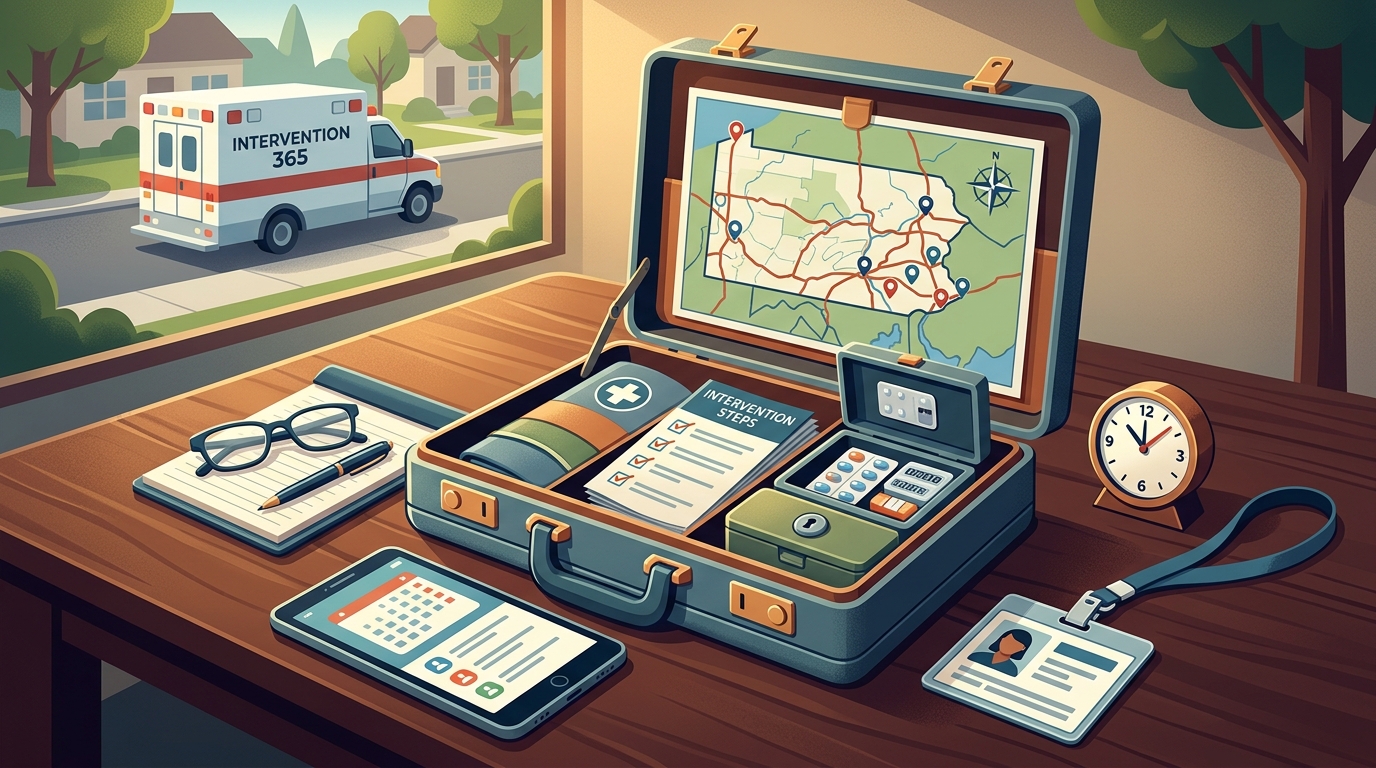
5. Conduct the Intervention
The intervention itself is a carefully choreographed event. It begins with the team expressing love and concern, using "I" statements to describe the impact of the addiction. The interventionist facilitates this process, ensuring that the conversation remains focused and does not devolve into argument.
The structure of the intervention:
- Opening: The interventionist explains the purpose and rules of the session.
- Statements: Each team member shares their personal experience and observations.
- The Plan: The pre-arranged treatment options are presented clearly.
- Boundaries: The team outlines the consequences of refusing help, which are designed to protect the family system.
This approach is rooted in the Johnson Model, which emphasizes the power of immediate intervention to break through denial. For a deeper understanding of this methodology, read about the Johnson Model of Intervention in Pennsylvania.
6. Post-Intervention Support
The intervention is not the end of the process; it is the beginning of the recovery journey. Whether the individual accepts help immediately or initially refuses, the family must adhere to the established boundaries. Consistency is key to maintaining the integrity of the intervention.
If the individual accepts help, the transition to treatment must be seamless. Intervention 365 provides treatment coordination and transportation assistance to ensure a smooth entry into care. If they refuse, the family must follow through on the stated consequences, which often serves as a catalyst for future acceptance of help.
Long-term recovery requires ongoing support for the entire family system. Family coaching helps loved ones heal from the trauma of addiction and establish healthier communication patterns.
Key Takeaways
- Immediate Action: Do not wait for the "perfect time." Addiction is a progressive disease that requires urgent attention.
- Professional Guidance: Engage a Certified Intervention Professional (CIP) like Jim Reidy to ensure a structured and safe process.
- Pre-Arranged Treatment: Always have a confirmed bed at a treatment facility ready before the intervention.
- Unified Team: Assemble a team of loved ones who are emotionally stable and committed to the plan.
- Boundary Enforcement: Clearly define and enforce consequences for refusing help to protect the family system.
- Long-Term Support: Recovery is a marathon, not a sprint. Continue with family coaching and support groups.
- Regional Expertise: Utilize local experts who understand the specific challenges of addiction in Pennsylvania and surrounding states.
Frequently Asked Questions
How long does an emergency intervention take to plan?
In an emergency, the planning process can be accelerated to occur within 24 to 48 hours. Professional interventionists are available to coordinate logistics, secure treatment beds, and prepare the family team rapidly to address the immediate crisis.
What is the Johnson Model of Intervention?
The Johnson Model is a structured approach to addiction intervention that involves a pre-planned meeting with a team of loved ones and a professional interventionist. It focuses on presenting a unified front of concern and offering a specific treatment plan to break through denial.
Can an interventionist help with out-of-state treatment?
Yes, professional interventionists like Jim Reidy have extensive networks of treatment facilities across the country. They can coordinate transportation and placement in out-of-state facilities if it provides a better environment for recovery.
What if my loved one refuses to go to treatment?
If the individual refuses help, the family must adhere to the pre-established boundaries and consequences. This often involves withdrawing enabling behaviors and allowing natural consequences to unfold, which can eventually motivate the individual to seek help.
Is family therapy necessary after an intervention?
Family therapy and coaching are highly recommended. Addiction affects the entire family system, and professional guidance helps loved ones heal from trauma, establish healthy boundaries, and support the recovery process effectively.
How do I verify an interventionist's credentials?
Look for certifications such as Certified Intervention Professional (CIP) and membership in professional organizations like the Association of Intervention Specialists. Verify their experience and track record of successful interventions.
Take the First Step Toward Recovery
Emergency addiction interventions are life-saving events that require precision, compassion, and expertise. If you are facing a crisis, do not hesitate to seek professional help. Contact Intervention 365 today to speak with a certified interventionist and begin the process of guiding your loved one toward recovery.
Contact Intervention 365 Now for a confidential assessment and immediate assistance.