

When a loved one faces severe substance dependency, the window for effective action is often narrow and critical. Intervention 365 has facilitated over 750 successful interventions across the East Coast, demonstrating that the choice of intervention model directly impacts the likelihood of immediate treatment acceptance. Statistics from the National Institute on Drug Abuse indicate that addiction is a chronic condition affecting millions, yet only a fraction receive professional help during a crisis. Understanding the structural differences between intervention approaches is not merely academic; it is the deciding factor between a successful entry into recovery and a prolonged cycle of relapse. (Alcohol Intervention Services Alcohol)
Understanding Severe Dependency and Family Systems
Before selecting a model, it is vital to understand the environment in which addiction thrives. Addiction is a complex brain disorder characterized by compulsive substance use despite harmful consequences. In severe cases, the individual’s brain chemistry has adapted to the presence of the substance, making voluntary cessation nearly impossible without external structure.
Furthermore, addiction rarely impacts only one person. It creates a dysfunctional family system where loved ones may inadvertently enable the behavior through rescue attempts, financial support, or emotional avoidance. This dynamic is often referred to as codependency. A professional interventionist helps break this cycle by introducing accountability and clear boundaries. When families wait to intervene, they often find themselves trapped in a pattern of crisis management, financial instability, and emotional exhaustion. The goal of any intervention model is to disrupt this pattern and force a confrontation with reality.
The Johnson Model: Direct Confrontation
The Johnson Model is the most widely recognized intervention strategy, largely due to its portrayal in media and its straightforward approach. This model involves a carefully planned meeting where family members and friends present a unified front to the individual. The core principle is that the individual must accept a pre-arranged treatment plan immediately upon agreeing to the intervention.
How It Works
In a Johnson Model intervention, the family prepares extensively. They write letters expressing their love and detailing the specific consequences of the individual’s behavior. During the meeting, each person reads their letter, followed by a collective plea for the individual to accept the treatment plan. If the individual refuses, the family enforces the pre-discussed consequences, such as cutting off financial support or removing the individual from the home.
Best Use Case
This model is often effective for individuals who are responsive to direct emotional appeals and who have a strong support network willing to enforce boundaries. However, in cases of severe dependency where the individual is highly defensive or manipulative, the Johnson Model can sometimes lead to increased resistance if not managed by a professional. Jim Reidy, a Certified Intervention Professional, has utilized variations of this model in high-stakes scenarios, including those featured on A&E’s Intervention, to guide families through the initial shock and resistance.
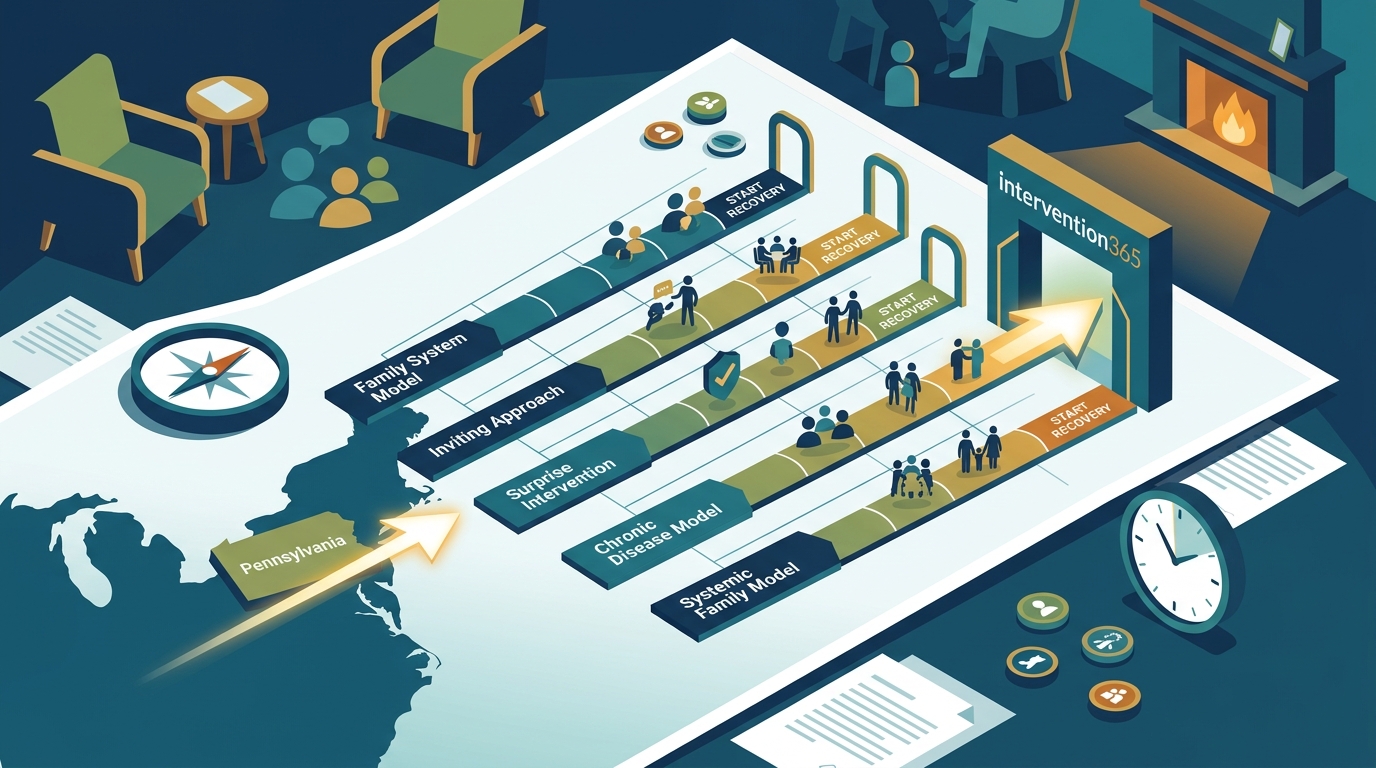
The Arnold Method: Systemic Family Dynamics
The Arnold Method, developed by Dr. Wayne Arnold, takes a fundamentally different approach by focusing on the family system rather than just the individual. This model is particularly useful in severe cases where the family dynamics have become deeply entangled with the addiction.
How It Works
Instead of a confrontational meeting, the Arnold Method involves a series of private sessions with family members. The interventionist helps each family member understand their role in the addiction cycle and guides them in changing their own behavior. The goal is to create a shift in the family dynamic that naturally pressures the individual toward treatment without a formal confrontation. The individual is often unaware that an intervention is taking place until the changes in the family system become undeniable.
Best Use Case
This approach is ideal for families who are exhausted by conflict and where the individual is highly resistant to direct confrontation. It is particularly effective in cases involving mental health comorbidities, where the underlying emotional pain needs to be addressed alongside the substance use. By focusing on the family’s healing, the Arnold Method reduces the likelihood of the individual feeling attacked, thereby lowering their defensive barriers.
Counselor-Led and Professional Interventions
For severe dependency cases, professional interventionists often recommend a counselor-led approach. This model integrates the structural elements of the Johnson Model with the psychological insights of the Arnold Method, guided by an expert who has navigated hundreds of similar crises.
The Role of the Professional
A professional interventionist assesses the individual’s history, the family’s dynamics, and the severity of the addiction to determine the most effective strategy. They coordinate with treatment facilities to ensure immediate placement is available. This removes the logistical burden from the family and ensures that the transition to treatment is seamless. In Pennsylvania and surrounding states, Intervention 365 provides these services, leveraging Jim Reidy’s 15+ years of experience and his recognition on national television.
Why Professional Guidance is Critical
Severe dependency often involves complex withdrawal risks and deep-seated psychological resistance. A layperson-led intervention may inadvertently trigger a dangerous reaction or fail to secure immediate treatment. Professional interventionists are trained to handle crises, manage emotional outbursts, and negotiate with the individual in real-time. They also provide ongoing family coaching, which is essential for maintaining the boundaries established during the intervention.
Comparing Intervention Models for Severe Cases
Choosing the right model requires a clear understanding of the individual’s specific triggers, the family’s capacity for enforcement, and the severity of the addiction. The following table summarizes the key differences between the primary intervention approaches.
| Intervention Model | Primary Focus | Best For | Risk Level |
|---|---|---|---|
| Johnson Model | Direct confrontation and unified family plea | Individuals responsive to emotional appeals and clear boundaries | Moderate (Risk of escalation if unmanaged) |
| Arnold Method | Family system dynamics and behavioral change | Highly resistant individuals and complex family enmeshment | Low (Less confrontational) |
| Counselor-Led | Professional guidance and immediate treatment placement | Severe dependency cases requiring expert crisis management | Low (Managed by experienced professionals) |
| Systemic Model | Long-term family therapy and structural change | Families seeking sustainable recovery beyond the initial event | Low (Gradual process) |
When evaluating these options, it is crucial to consider the individual’s history of treatment. If previous interventions have failed, a new model or a more professional approach may be necessary. Additionally, the availability of immediate treatment beds is a critical factor. A successful intervention is only as good as the treatment plan that follows it. Addiction Treatment Group resources can help families navigate the placement process once the intervention is complete.
Key Takeaways for Families in Crisis
- Professional Assessment is Essential: Do not attempt to choose a model in isolation. A professional interventionist can assess the severity of the dependency and recommend the most effective approach.
- Immediate Treatment is Non-Negotiable: The intervention must be paired with a pre-arranged treatment plan. Without immediate placement, the intervention loses its leverage.
- Family Dynamics Matter: The Arnold Method is often superior for families with high conflict or enmeshment, while the Johnson Model works well for cohesive families with clear boundaries.
- Jim Reidy’s Expertise: With over 750 successful interventions and features on A&E’s Intervention, Jim Reidy offers a proven track record in handling severe cases in Pennsylvania and beyond.
- Geographic Reach: Intervention services are available across the East Coast, including Pennsylvania, New Jersey, Delaware, Maryland, Virginia, and Florida.
- Insurance Verification: Verify health insurance coverage early in the process to ensure seamless treatment access. Verify Health Insurance options are available through Intervention 365.
- Ongoing Support: Recovery is a long-term process. Family coaching and relapse prevention planning are critical components of sustained success.
Frequently Asked Questions
What is the most effective intervention model for severe addiction?
For severe addiction, a counselor-led intervention is often the most effective. It combines the structure of the Johnson Model with the psychological depth of the Arnold Method, guided by a professional who can manage crisis dynamics and ensure immediate treatment placement.
Can I perform an intervention without a professional?
While it is possible, it is highly discouraged for severe cases. Unmanaged interventions can lead to increased resistance, family conflict, and failed treatment placements. Professional interventionists bring expertise in negotiation and crisis management that significantly increases the likelihood of success.
How does the Arnold Method differ from the Johnson Model?
The Johnson Model involves a direct confrontation with the individual, while the Arnold Method focuses on changing family dynamics privately. The Arnold Method is less confrontational and is often better suited for individuals who are highly defensive or resistant to direct pressure.
What should I do if my loved one refuses treatment after an intervention?
If treatment is refused, the family must immediately enforce the pre-discussed consequences. This might include cutting off financial support, removing the individual from the home, or limiting contact. Consistency in enforcing these boundaries is crucial to maintaining the intervention’s integrity.
Does Intervention 365 offer services outside of Pennsylvania?
Yes, Intervention 365 provides services across the East Coast and beyond. Jim Reidy has conducted interventions in states including New York, New Jersey, Delaware, Maryland, Virginia, North Carolina, South Carolina, Georgia, and Florida.
How long does the intervention planning process take?
The planning process typically takes several days to a week. This allows for thorough assessment, family preparation, and coordination with treatment facilities. The speed of the process is often dictated by the urgency of the situation and the availability of treatment beds.
What is the Johnson Model of intervention?
The Johnson Model is a structured intervention approach where family and friends present a unified plea for the individual to accept a pre-arranged treatment plan, accompanied by clear consequences for refusal.
Contact Intervention 365 for Immediate Assistance
If you are facing a severe dependency crisis, do not wait for the situation to worsen. Immediate action can save a life. Intervention 365 offers free, confidential assessments to help you determine the best course of action. Contact Jim Reidy, a Certified Intervention Professional, to discuss your options and begin the journey toward recovery.
Call Intervention 365 Now at (888)-972-8513 to speak with a professional interventionist today.