

Substance use disorders affect millions of households, creating a cycle of chaos that often feels impossible to break without professional guidance. According to recent national health data, over 49 million people in the United States struggled with substance use disorders in 2022, highlighting the urgent need for structured intervention strategies SAMHSA 2022 Data. When dependency reaches a severe stage, the margin for error shrinks, making the selection of an appropriate intervention model critical for survival and long-term recovery. Families often face the daunting task of choosing between clinical approaches that range from direct confrontation to collaborative engagement. Understanding the nuances of these models is not just about logistics; it is about aligning the strategy with the individual's psychological profile and the family's capacity for change. (Alcohol Intervention Services Alcohol)
Understanding Severe Dependency and Crisis
Before selecting a model, it is vital to define the severity of the situation. Severe dependency is characterized by physical addiction, high tolerance, and often co-occurring mental health issues. In these cases, the individual's brain chemistry has been hijacked, making rational decision-making nearly impossible without external structure. NIDA Research defines addiction as a chronic, relapsing disorder characterized by compulsive drug seeking and use despite adverse consequences. This definition underscores why standard pleading or logical argumentation fails. The intervention must bypass the defensive mechanisms of the addict and address the underlying systemic dynamics that enable the behavior.
Families often wait too long to act, hoping the individual will "snap out of it." However, data shows that the longer addiction progresses, the more entrenched the neural pathways become. Immediate professional assessment is crucial. Intervention 365 specializes in navigating these complex dynamics, providing the structure needed to move from crisis to clarity. The goal is not merely to get the person into treatment but to ensure they accept the offer of help in a state of mind capable of receiving it.
The Johnson Model: Direct Confrontation
The Johnson Model is perhaps the most widely recognized intervention framework, largely due to its depiction in media and popular culture. It is a structured, confrontational approach designed to break through the denial of the individual with severe dependency. This model relies on a carefully planned meeting where family members and friends present a unified front, detailing the impact of the addiction and presenting a pre-arranged treatment plan.
How It Works
Preparation is the cornerstone of the Johnson Model. A certified interventionist guides the family through weeks of planning, including rehearsals and the selection of specific consequences. During the intervention, each participant shares their personal experience with the addict's behavior, followed by a clear ultimatum: accept the treatment plan immediately, or face the stated consequences. The consequences are not punishments but protective boundaries designed to remove the ability to sustain the addiction.
When to Use It
This model is often effective for individuals who are highly resistant to help but respond to clear, non-negotiable boundaries. It works best when the family is united and willing to enforce consequences consistently. Jim Reidy, a Certified Intervention Professional, has utilized this approach extensively in Pennsylvania and across the East Coast. His work on A&E’s Intervention demonstrates the power of this model when executed with precision and compassion A&E Intervention Feature. The Johnson Model is particularly useful when the individual has a history of ignoring subtle hints or gentle suggestions.
The Arnold Model: Systemic Engagement
The Arnold Model, developed by Dr. Wayne Arnold, takes a fundamentally different approach. Instead of confrontation, it emphasizes empathy, collaboration, and the removal of barriers to help-seeking. This model is rooted in the belief that addiction is a symptom of deeper systemic issues within the family or social network. It is less about forcing a decision and more about creating an environment where the individual feels safe enough to choose recovery.
How It Works
The Arnold Model involves a series of individual meetings between the interventionist and each participant, as well as the individual with the addiction. The goal is to understand the individual's perspective and identify the specific fears or obstacles preventing them from seeking help. The interventionist then facilitates a dialogue that focuses on love, support, and the removal of stigma. There are no ultimatums or consequences presented in the traditional sense. Instead, the family offers unconditional support contingent on the individual's willingness to engage in treatment.
When to Use It
This model is ideal for individuals who are highly defensive, fearful, or have a history of trauma. It is also effective when the family dynamic is fragile, and confrontation might lead to complete estrangement or violence. The Arnold Model requires a high degree of emotional intelligence from the participants and is often used in cases involving young adults or those with complex mental health histories. It aligns closely with the philosophy of Addiction Redefined, which emphasizes understanding the family system rather than just the individual's behavior.
The CRAVAT Model: Compassionate Detachment
The CRAVAT Model (Compassionate Recovery and Value-based Action Therapy) is a newer, evidence-based approach that combines elements of motivational interviewing with systemic family therapy. It focuses on empowering the family to set healthy boundaries while maintaining a compassionate connection with the individual. This model is particularly effective for severe dependency cases where the family has exhausted other options and is experiencing burnout.
How It Works
CRAVAT begins with an assessment of the family's current coping mechanisms and the individual's readiness for change. The interventionist helps the family identify their own values and boundaries, ensuring that their actions are aligned with their well-being rather than just the addict's behavior. The intervention itself is a collaborative process where the family expresses their concerns and offers support, but also clearly states what they will no longer tolerate. The focus is on changing the family's response to the addiction, which often prompts the individual to reconsider their own behavior.
When to Use It
This model is suitable for families who feel overwhelmed and powerless. It is particularly effective when the individual has a strong sense of autonomy and resists being "managed" by others. CRAVAT respects the individual's agency while providing the structure needed for recovery. It is often used in conjunction with other models, such as the Johnson Model, to provide a more nuanced approach to severe cases. For more insights on mental health interventions, see our guide on Connecticut Addiction Mental Health Intervention Service.
Comparing Intervention Approaches
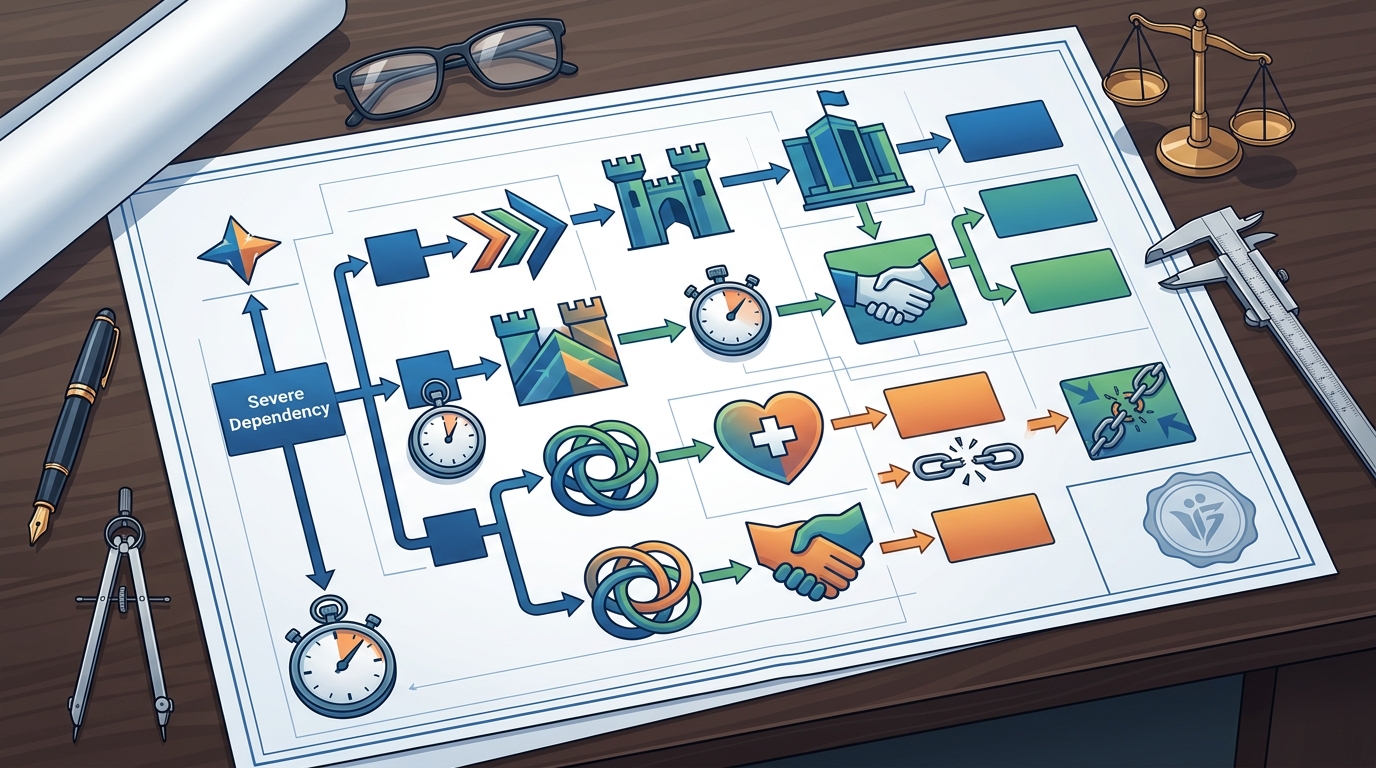
Choosing the right model requires a careful assessment of the individual's personality, the family's dynamics, and the severity of the addiction. The table below summarizes the key differences between the three primary models.
| Model | Core Approach | Best For | Risk Factor |
|---|---|---|---|
| Johnson Model | Direct Confrontation | High denial, need for immediate action | High (if not professionally managed) |
| Arnold Model | Empathetic Engagement | Defensive, trauma history, fragile family | Medium (requires patience) |
| CRAVAT Model | Boundary Setting | Family burnout, need for autonomy | Low (focuses on family health) |
It is important to note that these models are not mutually exclusive. A skilled interventionist may blend elements from each to create a customized plan. For example, a family might start with the Arnold Model to build trust and then transition to the Johnson Model if the individual remains resistant. The key is flexibility and professional guidance.
Key Takeaways
- Professional Assessment is Critical: Severe dependency requires a clinical evaluation to determine the appropriate intervention model. Self-guided interventions often fail due to lack of structure.
- Johnson Model for Urgency: Use the Johnson Model when immediate action is needed and the individual has a history of ignoring subtle cues. It provides clear boundaries and consequences.
- Arnold Model for Sensitivity: Choose the Arnold Model for individuals with trauma histories or high defensiveness. It prioritizes empathy and reduces resistance.
- CRAVAT for Family Health: The CRAVAT model is ideal for families experiencing burnout, focusing on healthy boundaries and self-care while supporting the individual.
- Jim Reidy's Expertise: With over 15 years of experience and 750+ successful interventions, Jim Reidy offers a deep understanding of these models, tailored to individual needs.
- East Coast Coverage: Intervention 365 provides services across Pennsylvania, New Jersey, Delaware, Maryland, and other East Coast states, ensuring local expertise.
- Insurance Verification: Many treatment options covered through interventions are accessible via insurance. Verify your coverage early in the process to reduce financial stress.
Frequently Asked Questions
How do I know which intervention model is right for my loved one?
The right model depends on the individual's personality, history of resistance, and the family's dynamic. A professional interventionist can assess these factors during a confidential consultation to recommend the most effective approach.
Can I perform an intervention without a professional?
While it is possible, it is highly discouraged for severe dependency cases. Untrained interventions often lead to increased denial, anger, and estrangement. Professional guidance ensures safety and effectiveness.
What is the Johnson Model?
The Johnson Model is a confrontational intervention strategy where family members present a unified ultimatum to the individual, demanding they accept treatment or face specific consequences.
Is the Arnold Model effective for severe addiction?
Yes, the Arnold Model can be highly effective for severe addiction, particularly when the individual is highly defensive or has a history of trauma. It focuses on building trust and reducing resistance.
How long does an intervention process take?
The preparation phase typically takes several weeks, allowing for thorough planning and rehearsal. The intervention itself usually lasts a few hours, followed by immediate transportation to treatment.
What happens if my loved one refuses treatment?
If treatment is refused, the pre-agreed consequences are enacted. These consequences are designed to remove the ability to sustain the addiction and protect the family from further harm.
Does Intervention 365 offer services outside of Pennsylvania?
Yes, Intervention 365 provides services across the East Coast, including New Jersey, Delaware, Maryland, Connecticut, and Florida, as well as remote consultations for other regions.
Contact Intervention 365
Choosing the right intervention model is a pivotal moment in your family's journey toward recovery. Do not navigate this crisis alone. Intervention 365 offers expert guidance, compassionate support, and proven strategies to help your loved one find the path to sobriety. Contact Jim Reidy today for a free, confidential assessment and take the first step toward healing.