

Substance use disorders are a pervasive public health crisis affecting millions of households across the United States. According to the National Institute on Drug Abuse, approximately 29 million people in the United States had a substance use disorder in 2022. This statistic highlights the urgent need for structured, professional intervention strategies that can break through the denial often associated with addiction. Staging an intervention is not merely a family meeting; it is a carefully orchestrated clinical event designed to present a unified front of concern and consequences. When executed correctly, it serves as the critical bridge between active addiction and professional treatment.
Understanding the Need for Professional Intervention
Intervention is a structured process where family members and friends, often with the help of a professional, confront a loved one about their substance abuse. The primary goal is to encourage the individual to accept treatment. Without professional guidance, these meetings can easily devolve into arguments, enabling behaviors, or emotional breakdowns that reinforce the addict's resistance. A professional interventionist brings objectivity and clinical expertise to the table, ensuring that the conversation remains focused on health and recovery rather than blame.
The Johnson Model of Intervention is one of the most widely recognized approaches. This model involves a planned confrontation where the family presents a pre-arranged treatment plan. The individual is given the opportunity to accept help immediately. If they refuse, the family enforces pre-determined consequences. This approach relies heavily on the unity and resolve of the intervention team, which is why professional oversight is crucial for maintaining that cohesion under pressure.
Choosing the Right Intervention Model
Not all interventions are created equal. The effectiveness of an intervention often depends on selecting the model that best fits the individual's personality and the family's dynamics. Understanding these differences is essential for staging a successful event.
| Intervention Model | Key Characteristics | Best For |
|---|---|---|
| Johnson Model | Confrontational, structured, pre-arranged treatment plan. | Individuals who respond to clear boundaries and direct consequences. |
| ARISE Model | Non-confrontational, gradual, focuses on relationship repair. | Individuals who are defensive or resistant to direct confrontation. |
| Craft Model | Uses a professional to gather information and guide the family. | Families who need significant guidance on how to approach the topic. |
Intervention 365 specializes in tailoring these approaches to the specific needs of each family. Whether you are in Pennsylvania, New Jersey, or Delaware, the principles of a professional intervention remain consistent: preparation, unity, and immediate access to care. For more details on these methodologies, you can explore our A&E’s Intervention framework which emphasizes emotional appeal and structured dialogue.
Assembling the Intervention Team
The success of an intervention hinges on the composition of the team. You must select individuals who have a genuine, positive relationship with the person struggling with addiction. These should be people who will be affected by the addiction and who are willing to enforce the consequences if treatment is refused.
Key considerations for team selection include:
- Emotional Stability: Team members must be able to remain calm and focused during the meeting.
- Relevance: Choose people who have a direct impact on the individual's life, such as parents, spouses, or close friends.
- Commitment: Ensure that every team member is fully committed to the plan and the consequences.
Avoid inviting individuals who may be enablers or who have a history of volatile interactions with the person in addiction. The team should represent a cross-section of the individual's support network, demonstrating that the concern is widespread and not just the opinion of one person. For insights into the emotional dynamics of these teams, read our article on The Interventions Emotional Appeal in Maryland.
The Preparation Phase
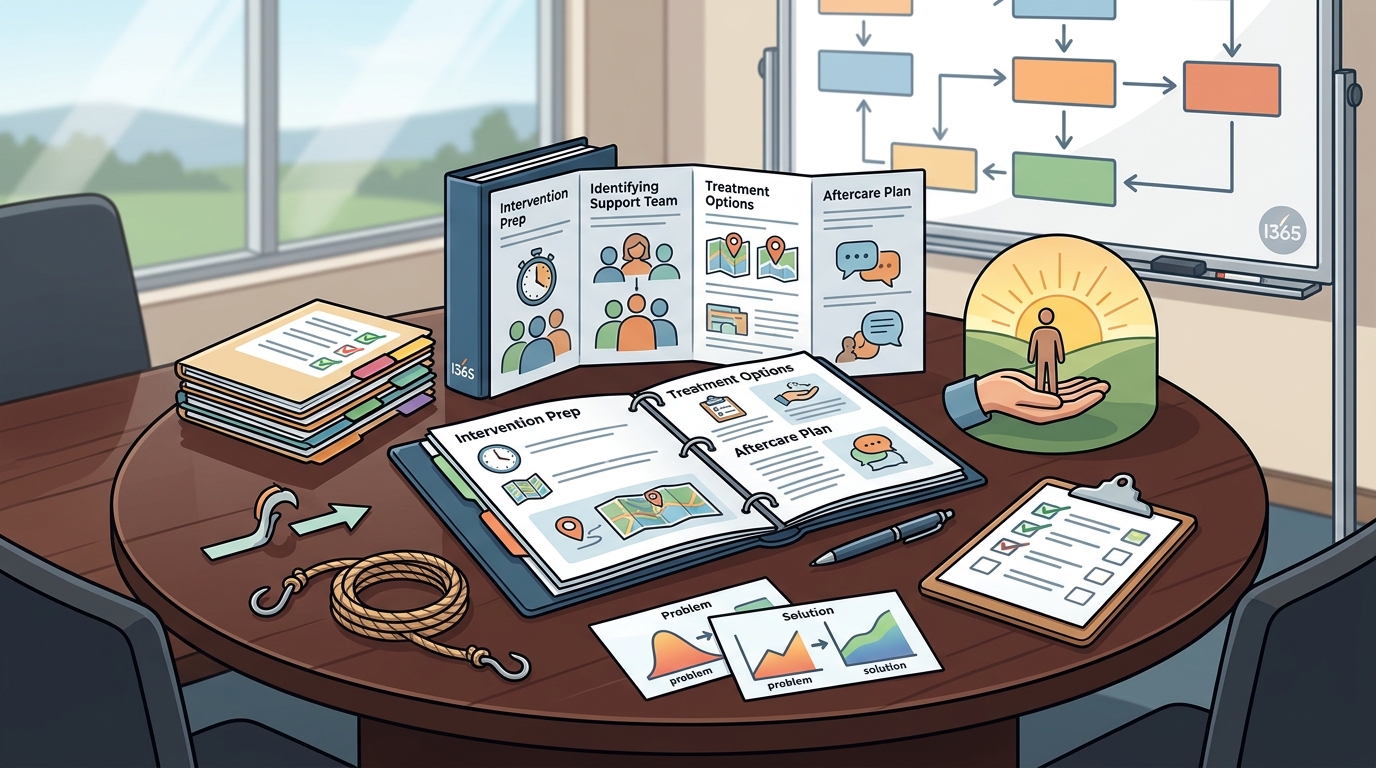
Preparation is the most critical phase of staging an intervention. This stage involves multiple meetings with a professional interventionist to plan every detail of the event. During this phase, the team writes letters or statements expressing their concerns and love for the individual. These statements should focus on specific behaviors and their impacts, rather than general accusations.
Key components of the preparation phase include:
- Researching Treatment Options: Have a list of pre-vetted treatment facilities ready. The individual should have a place to go immediately if they agree to help.
- Defining Consequences: Clearly outline what will happen if the individual refuses treatment. These consequences must be realistic and enforceable.
- Logistics: Arrange transportation, timing, and location for the intervention. The setting should be private and free from distractions.
Professional interventionists help families navigate this complex preparation process. They ensure that the team is aligned and that the consequences are clear. For more information on the importance of immediate action, see The Power of Immediate Intervention.
Executing the Intervention Meeting
The intervention meeting itself is a structured event. It typically begins with the interventionist setting the tone and explaining the purpose of the gathering. Each team member then takes turns reading their prepared statement. The goal is to express love and concern while clearly stating the impact of the addiction.
During the meeting, it is important to:
- Stay Calm: Avoid getting into arguments or debates. If the individual becomes defensive, redirect the conversation back to the statements.
- Present the Plan: Clearly outline the treatment options and the consequences of refusal.
- Offer Hope: Emphasize that the goal is recovery and that the team is there to support them through the process.
If the individual agrees to help, the team should facilitate immediate admission to the treatment facility. If they refuse, the team must enforce the pre-determined consequences. This is where the unity of the team is tested. For a deeper dive into the dynamics of these meetings, read Intervention Dynamic in Pennsylvania.
Post-Intervention Care and Follow-Up
The intervention is just the beginning of the recovery journey. Whether the individual accepts treatment immediately or not, the family must continue to enforce the consequences and provide support. If treatment is accepted, the family should assist with the transition and participate in family therapy as recommended.
If the individual refuses treatment, the family must stick to the consequences. This might include removing financial support, limiting contact, or other measures that protect the family while encouraging the individual to seek help. Consistency is key. For resources on navigating this difficult period, visit our Addiction Resources page.
Key Takeaways
- Professional Guidance is Essential: Staging an intervention without a professional can lead to failed outcomes and increased family conflict.
- Unity is Critical: The intervention team must be aligned on the plan and the consequences.
- Immediate Treatment Access: Have a treatment facility ready for immediate admission if the individual agrees to help.
- Consequences Must Be Enforced: The credibility of the intervention depends on the family's willingness to follow through on consequences.
- Model Selection Matters: Choose an intervention model that fits the individual's personality and the family's dynamics.
- Emotional Support: The intervention should be framed as an act of love and concern, not punishment.
- Long-Term Commitment: Recovery is a long-term process that requires ongoing family support and involvement.
Frequently Asked Questions
What is the Johnson Model of Intervention?
The Johnson Model is a structured intervention approach where a professional guides the family in confronting the individual with addiction. It involves a pre-arranged treatment plan and specific consequences for refusal.
How do I choose the right interventionist?
Look for a certified professional with experience in substance abuse interventions. Check their credentials, read reviews, and ensure they have a clear plan for staging the intervention. You can learn more about our services at About Jim Reidy.
What happens if the person refuses treatment?
If the person refuses treatment, the family must enforce the pre-determined consequences. This might include cutting off financial support, limiting contact, or other measures that protect the family.
Can I stage an intervention without a professional?
While it is possible, it is highly discouraged. Professional interventionists bring expertise and objectivity that can prevent the meeting from devolving into arguments. They also help ensure that the consequences are realistic and enforceable.
How long does an intervention typically last?
The duration of an intervention can vary, but it typically lasts between one to three hours. The preparation phase, however, can take several weeks.
What are the common mistakes families make during an intervention?
Common mistakes include failing to enforce consequences, allowing the individual to debate the facts, and not having a treatment plan ready. Avoid these pitfalls by working with a professional.
Is an intervention effective?
Studies suggest that interventions can be effective in encouraging individuals to enter treatment. The success rate often depends on the preparation and the unity of the intervention team.
Where can I find addiction resources?
You can find comprehensive addiction resources on our Addiction Resources page, which includes information on treatment options and support groups.
Contact Intervention 365
If you are considering staging an intervention for a loved one, do not face this challenge alone. Intervention 365 provides professional, compassionate support to families across the East Coast. Our team of experienced interventionists is ready to help you navigate this difficult time. Contact us today to schedule a consultation and take the first step toward recovery. Visit our Contact page to get started.