

Severe substance dependency is a rapidly escalating crisis that demands immediate, professional, and highly structured intervention. According to the National Institute on Drug Abuse, approximately 29 million people in the United States meet the criteria for a substance use disorder, yet only a small fraction receive specialized treatment. The gap between addiction and recovery is often bridged by the specific intervention model selected by the family. Choosing the wrong approach can lead to resistance, estrangement, or delayed treatment entry. This guide details the critical differences between major intervention frameworks to help you make an informed, life-saving decision. (Interventionist Near Me Drug)
Understanding Severe Dependency and Intervention Urgency
Before selecting a model, it is vital to understand the clinical reality of severe dependency. Addiction is not merely a habit; it is a chronic brain disease that alters decision-making pathways. When a loved one reaches a stage of severe dependency, their ability to recognize the problem is often compromised by neurochemical changes. This is where professional guidance becomes non-negotiable.
Intervention 365 operates as the East Coast premier intervention company, specializing in high-stakes scenarios where standard advice fails. The urgency of the situation dictates the model. If the individual is in immediate danger or has lost all insight into their condition, a more directive approach may be required. Conversely, if there is still a thread of rationality, a collaborative model might yield better long-term compliance. Understanding these nuances is the first step in the decision-making process.
The Johnson Model: Direct Confrontation
The Johnson Model is the most widely recognized intervention framework, popularized by the film "A&E’s Intervention." It is characterized by a structured, pre-planned confrontation where family and friends present a unified front to the individual. This model is often recommended for cases involving severe denial or when the individual has repeatedly rejected help in the past.
How It Works
In this model, the interventionist leads the process. The family prepares detailed letters outlining specific examples of harmful behavior and the consequences of refusing treatment. The individual is presented with a pre-arranged treatment plan. The core mechanic is the "unified front," which removes the possibility of the individual negotiating or playing family members against each other.
When to Use It
This model is ideal for individuals who are highly resistant to change or who have a history of manipulating family dynamics. It is particularly effective in Pennsylvania and surrounding states where immediate detoxification is necessary. The Johnson Model is rigid by design, which provides the stability needed when the situation is volatile.
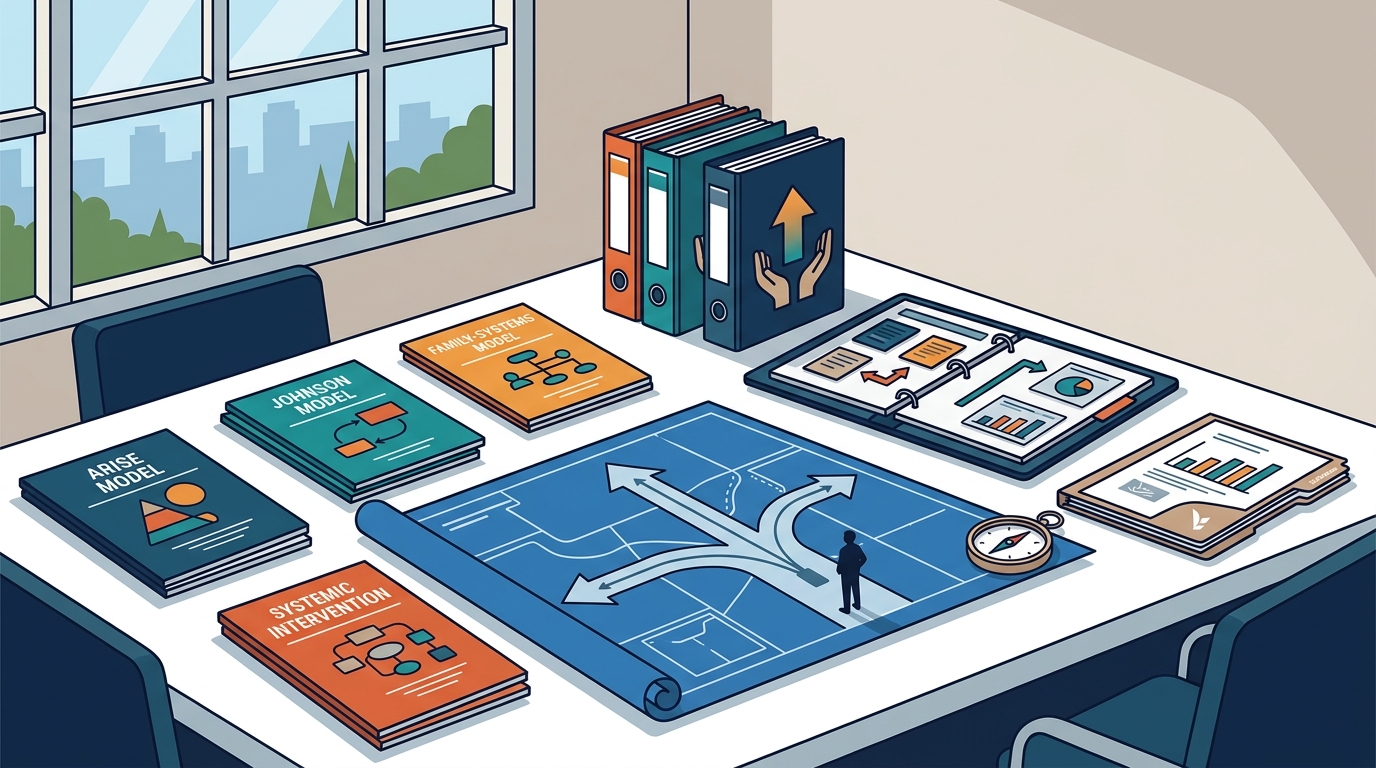
The Arizona Model: Collaborative Engagement
The Arizona Model, developed by Dr. Ron Jorgensen, takes a fundamentally different approach. Instead of a confrontational meeting, this model focuses on building a supportive environment that encourages the individual to seek help voluntarily. It is less about forcing a decision and more about guiding the individual toward self-realization.
How It Works
This model involves a series of private meetings between the interventionist and the individual, often without the family present initially. The goal is to build trust and rapport. The family members are coached on how to communicate supportively rather than critically. The individual is encouraged to attend a treatment facility, but the pressure is removed from the equation.
When to Use It
The Arizona Model is best suited for individuals who are sensitive to confrontation or who have a strong desire to maintain their dignity. It is particularly effective for those who are in the early stages of severe dependency but are still capable of rational thought. This approach is often preferred in Maryland and Virginia, where family dynamics are complex and sensitive.
The Systemic Family Model
The Systemic Family Model views addiction as a family system issue rather than an individual problem. It focuses on changing the family dynamics that may be enabling the addiction. This model is highly collaborative and involves all family members in the therapeutic process.
How It Works
Interventionists work with the family to identify patterns of behavior that sustain the addiction. The intervention is structured to break these patterns and establish new, healthy boundaries. The individual is invited to participate in family therapy as part of the treatment plan. This model emphasizes healing the family unit alongside the individual.
When to Use It
This model is ideal for families who have experienced long-term enabling behaviors or where the addiction has caused significant relational damage. It is particularly effective in New York and Massachusetts, where family therapy is a well-established component of addiction treatment. The Systemic Family Model requires a high level of commitment from all family members.
Comparison Matrix of Intervention Models
To assist in your decision-making process, the following table compares the key features of each intervention model. This comparison highlights the structural differences and ideal use cases for each approach.
| Model | Primary Approach | Best For | Family Role | Success Factor |
|---|---|---|---|---|
| Johnson Model | Direct Confrontation | High Denial, Severe Dependency | Unified Front, Prepared Letters | Immediate Treatment Entry |
| Arizona Model | Collaborative Engagement | Sensitive Individuals, Early Stage | Supportive, Non-Confrontational | Voluntary Compliance |
| Systemic Family Model | Family Dynamics Focus | Enabling Families, Relational Damage | Active Participation, Therapy | Long-Term Family Healing |
Key Takeaways
- Professional Guidance is Essential: Attempting an intervention without a certified interventionist significantly increases the risk of failure. Intervention 365 provides expert-led processes tailored to your specific situation.
- Model Selection Depends on Resistance: High resistance and denial typically require the Johnson Model, while sensitivity and early-stage dependency may respond better to the Arizona Model.
- Geographic Flexibility: Intervention 365 serves clients across Pennsylvania, Delaware, Maryland, New Jersey, Virginia, and other states, ensuring local expertise is available regardless of location.
- Immediate Action Saves Lives: Delaying an intervention can lead to irreversible consequences. The average time to seek help after a crisis is often too late for severe cases.
- Family Dynamics Matter: The Systemic Family Model is crucial for families where enabling behaviors have become entrenched. Addressing these patterns is key to sustainable recovery.
- Treatment Readiness: A successful intervention requires a pre-arranged treatment plan. Families must have options ready before the intervention takes place.
- Long-Term Support: Intervention is just the first step. Ongoing support for the family is necessary to maintain recovery and prevent relapse.
Frequently Asked Questions
What is the difference between a drug interventionist and a therapist?
A drug interventionist specializes in the immediate crisis management and strategic planning required to get an individual into treatment. A therapist focuses on long-term psychological healing. Interventionists often work in tandem with therapists to ensure a seamless transition from crisis to care.
Can I perform an intervention without a professional?
While it is possible, it is highly discouraged. Unstructured interventions often lead to arguments, denial, and broken relationships. Professional interventionists bring objectivity, experience, and a structured plan that significantly increases the likelihood of a positive outcome.
How long does an intervention typically take?
The intervention meeting itself usually lasts between one to three hours. However, the preparation phase can take several days to weeks, depending on the complexity of the case and the number of participants involved.
What happens if the individual refuses treatment after the intervention?
If the individual refuses treatment, the consequences outlined during the intervention are enacted. These consequences are designed to remove enabling support and encourage the individual to seek help voluntarily. The interventionist will guide the family through this process to ensure consistency.
Does Intervention 365 offer services in Florida?
Yes, Intervention 365 has expanded its services to include North Palm Beach and other areas in Florida. The company provides comprehensive intervention support across multiple states, including Pennsylvania, Delaware, Maryland, New Jersey, Virginia, South Carolina, New York, Massachusetts, Ohio, New Hampshire, Rhode Island, Maine, Connecticut, North Carolina, Colorado, Louisiana, and Michigan.
Is the Johnson Model effective for severe alcohol dependency?
Yes, the Johnson Model is highly effective for severe alcohol dependency, particularly when the individual is in denial about their condition. The structured confrontation helps break through the denial and presents a clear path to detoxification and treatment.
What is the cost of an intervention?
The cost of an intervention varies based on the complexity of the case, the number of participants, and the geographic location. Intervention 365 offers family-friendly pricing and provides transparent cost estimates during the initial consultation.
Contact Intervention 365
Choosing the right intervention model is a critical decision that can determine the future of your loved one. Do not navigate this complex process alone. Intervention 365 is here to provide expert guidance, strategic planning, and compassionate support. Contact us today to schedule a confidential consultation and take the first step toward recovery.
Click here to contact Intervention 365 or call 888-972-8513 for immediate assistance.