

Professional Interventionist Success Rate vs. Doing It Alone
When a loved one is struggling with addiction, families face a critical decision: should they attempt an intervention on their own, or hire a professional interventionist? The answer often determines whether the person accepts treatment. Data from leading addiction organizations consistently shows that professionally led interventions dramatically outperform family-only attempts. Understanding these success rates can help families in Pennsylvania and beyond make informed choices and avoid costly mistakes. At Intervention 365, we believe every family deserves access to this information before taking action.
What Is a Professional Interventionist?
A professional interventionist is a trained specialist who guides families through the process of confronting a loved one about their addiction and motivating them to accept treatment. These professionals are skilled in crisis communication, motivational interviewing, and family systems theory.
Unlike a casual family conversation, a professional intervention follows a structured, evidence-based process. The interventionist assesses the individual's addiction severity, coaches family members on what to say, and coordinates treatment placement before the intervention even takes place.
Success Rate Data: Professional vs. DIY
The numbers tell a compelling story. According to the Association of Intervention Specialists (AIS), professionally led interventions achieve an 80 to 90 percent success rate in getting the individual to agree to enter treatment. The National Council on Alcoholism and Drug Dependence (NCADD) reports that figure can exceed 90 percent when a trained professional is involved.
Family-led interventions without professional support, by contrast, show significantly lower success rates and carry a higher risk of relationship damage. A study referenced in the Journal of Clinical Psychology found that these attempts are often hindered by emotional confrontations and a lack of clear treatment pathways.
| Approach | Treatment Acceptance Rate | Risk of Relationship Damage |
|---|---|---|
| Professional Interventionist (AIS/NCADD data) | 80-90%+ | Low |
| ARISE Model (NIH 2009 Study) | 83% | Low |
| Family-Led (No Professional) | Significantly lower | High |
Why Professional Interventions Work Better
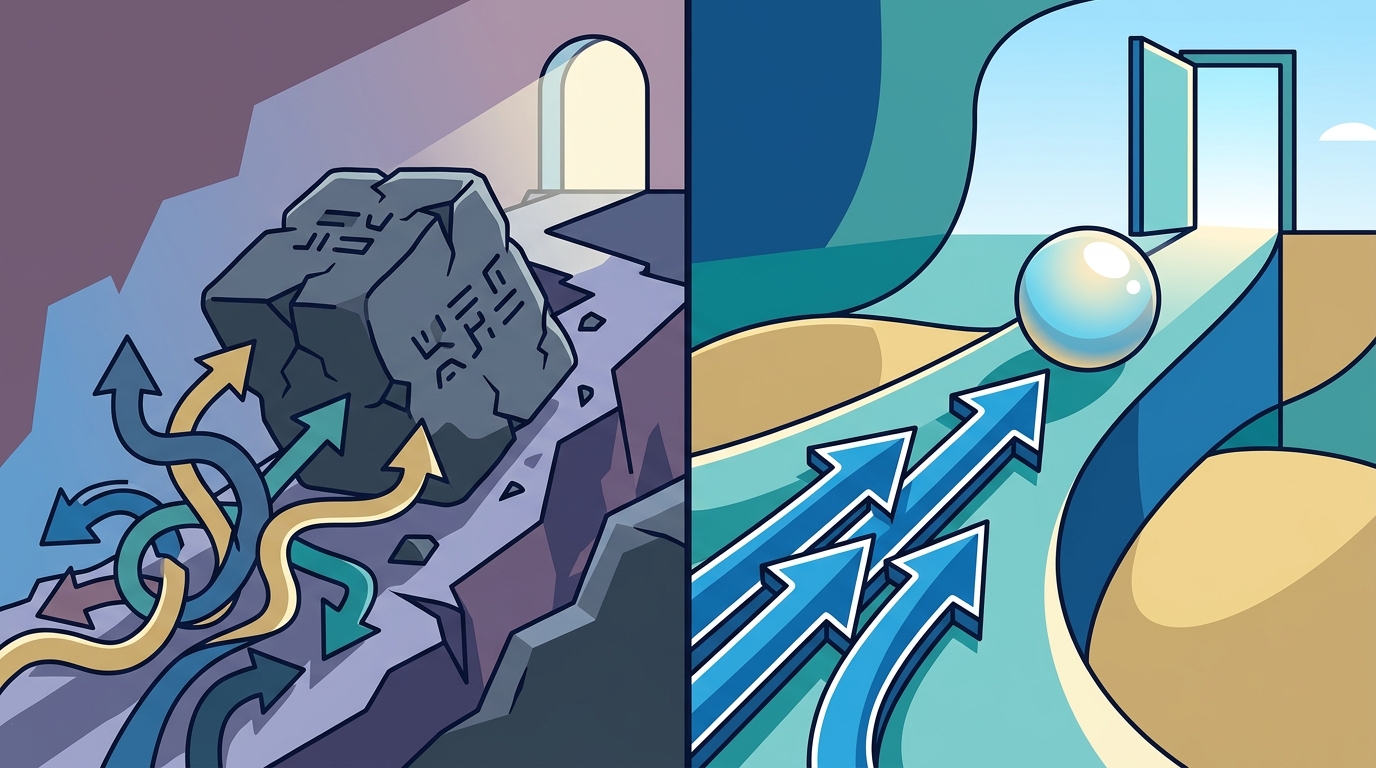
Trained Communication Techniques
Professional interventionists use motivational interviewing and stage-of-change theory to create optimal conditions for treatment acceptance. These are skills that most families simply do not have. A certified professional interventionist knows how to keep the conversation productive and compassionate, even when emotions run high.
Pre-Intervention Planning
Planning is key to a successful intervention. A professional coordinates every detail, from selecting participants to securing a treatment bed before the conversation happens. Families who try this alone often skip critical planning steps, which can cause the intervention to backfire. Learn more about the steps to stage an intervention the right way.
Post-Intervention Follow-Through
Even when someone initially refuses treatment, professional involvement changes the trajectory. Data from the AIS shows that of the 10 to 20 percent who do not immediately accept treatment, about half enter a program within one to two weeks. A professional interventionist continues to support the family during this critical window.
Risks of Doing It Alone
A DIY intervention is a well-intentioned effort that can produce unintended harm. Without professional guidance, family members may unknowingly enable destructive dynamics or trigger a hostile reaction. The person struggling with addiction could feel attacked, become more opposed to treatment, or increase substance use in retaliation.
Families often wait too long to intervene because they fear these outcomes. Ironically, the fear of doing it wrong is exactly why professional guidance makes such a difference. Understanding family roles in addiction is another area where trained interventionists provide invaluable insight.
Proven Intervention Models and Their Outcomes
An intervention model is a structured framework that guides how the conversation is planned and conducted. Two of the most widely recognized models are the Johnson Model and the ARISE Model.
The Johnson Model involves a surprise confrontation where a prepared group presents the individual with the consequences of continued substance use. The Johnson Model approach is direct and has been used for decades.
The ARISE Model is a graduated, collaborative approach. According to a Stage 1 National Institutes of Health study published in 2009, ARISE achieved an 83 percent success rate at prompting individuals to enter treatment. This model starts with coaching sessions and escalates only if necessary.
Both models perform best when led by a trained professional who can adapt the approach to the specific family situation.
Key Takeaways
- Professional interventions achieve an 80 to 90 percent success rate for treatment acceptance, according to the AIS and NCADD.
- Family-led interventions without professional help carry significantly lower success rates and higher risk of emotional harm.
- Even when someone initially refuses, about half enter treatment within two weeks after a professional intervention.
- The ARISE intervention model has an independently verified 83 percent success rate from an NIH study.
- Proper planning, trained communication, and post-intervention support are the three pillars that separate professional outcomes from DIY attempts.
- Recognizing common signs of addiction early increases the likelihood of a successful intervention.
- Intervention 365, based in Pennsylvania, provides expert-led interventions designed to maximize treatment acceptance.
Frequently Asked Questions
What is the success rate of a professional intervention?
According to the Association of Intervention Specialists, professional interventions succeed 80 to 90 percent of the time in getting the individual to accept treatment. The NCADD places that figure above 90 percent.
Can a family intervention work without a professional?
While it is possible, the success rate drops considerably. Family-led attempts often lack structure and can result in emotional confrontations that push the person further from treatment.
What happens if the person refuses treatment during an intervention?
Refusal is not the end. About half of those who initially say no enter treatment within one to two weeks following a professional intervention. The interventionist also helps families set healthy boundaries that encourage future treatment acceptance.
How long does a professional intervention take to plan?
Most professional interventions take between three and ten days to plan. This includes family coaching sessions, treatment placement coordination, and logistical preparation. Visit our intervention planning timeline for more details.
What is the ARISE intervention model?
The ARISE Model is a graduated, evidence-based intervention approach that starts with family coaching and escalates to a formal intervention only if needed. An NIH study found it achieves an 83 percent treatment acceptance rate.
How much does a professional interventionist cost?
Costs vary depending on the provider and complexity of the case. Intervention 365 offers family-friendly pricing to make professional intervention accessible.
Does Intervention 365 serve areas outside Pennsylvania?
Yes. While based in Pennsylvania, Intervention 365 provides drug and alcohol intervention services across the East Coast and nationwide.
How do I know if my loved one needs an intervention?
If your loved one is showing behavioral changes, increased substance use, or declining health and relationships, it may be time to act. Our guide on signs your loved one needs an intervention can help you evaluate the situation.
Get Professional Help Today
Every day without action is another day lost to addiction. If someone you love is struggling, do not try to navigate this alone. Contact Intervention 365 today for a confidential consultation with a certified interventionist. Our Pennsylvania-based team is available around the clock to help your family take the first step toward healing.