

Watching someone you love struggle with substance use is one of the most painful experiences a family can face. You may find yourself asking: has this crossed the line from a rough patch into a genuine addiction crisis? Knowing when to seek professional help can feel like a judgment call, but certain warning signs make the answer clear. This guide walks you through the behavioral, physical, and emotional indicators that signal it is time to contact a professional interventionist, and explains exactly what to do next. Understanding these signs early can save a life and preserve your family's well-being.
Understanding What an Addiction Crisis Looks Like
An addiction crisis is a point at which substance use has escalated beyond an individual's ability to control it, causing serious harm to their health, relationships, and daily functioning. A substance use disorder (SUD) is a clinical condition defined by the DSM-5 diagnostic criteria as recurrent use of alcohol or drugs that causes clinically significant impairment, including health problems and failure to meet responsibilities at work, school, or home.
According to SAMHSA's 2023 National Survey on Drug Use and Health, approximately 8.9 million people misused opioids in the past year alone. These numbers reflect only one category of substance. Millions more struggle with alcohol, stimulants, and other drugs without ever receiving treatment.
Behavioral Warning Signs to Watch For
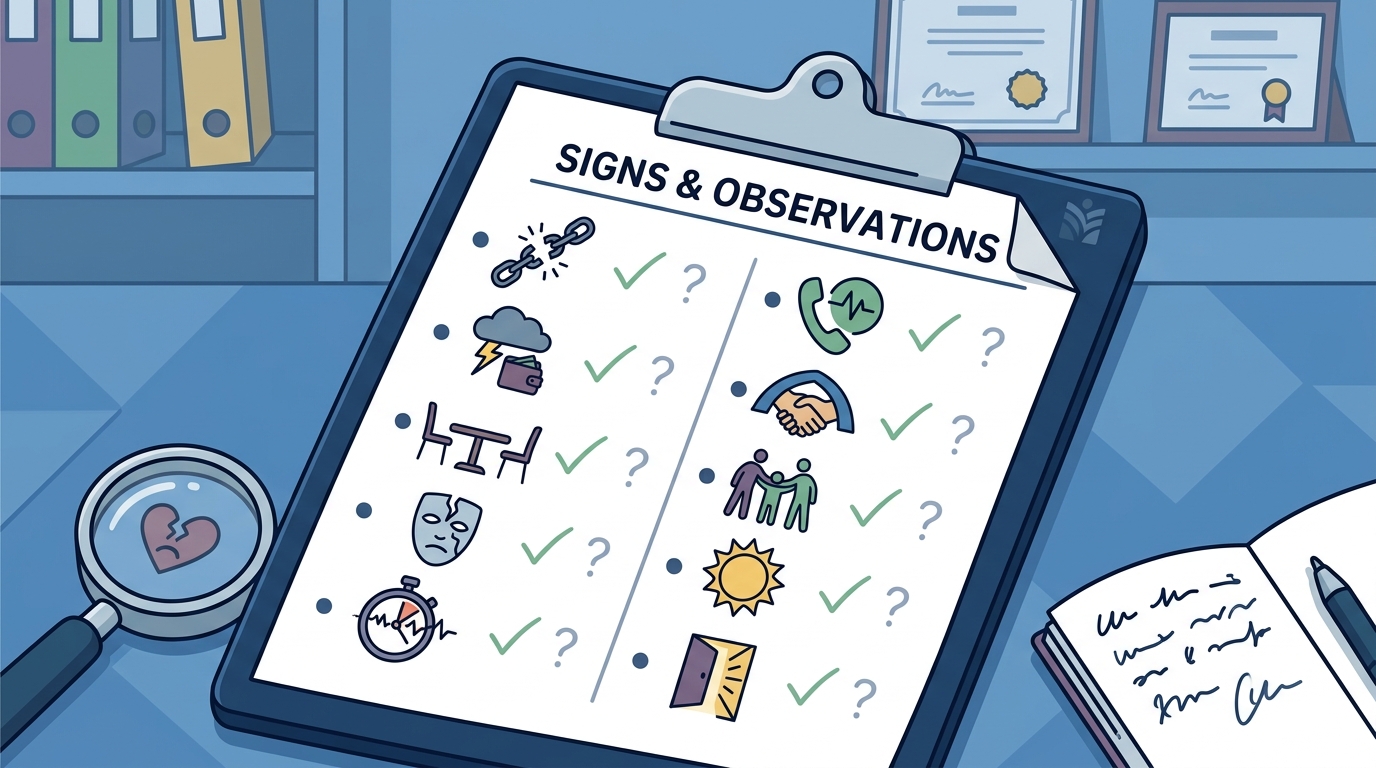
Behavioral changes are often the first clues that substance use has become unmanageable. Family members who learn to recognize these patterns can intervene before a crisis turns deadly.
Withdrawal from Relationships and Activities
A person battling addiction often retreats from relationships, hobbies, and community activities they once enjoyed. They may cancel plans, avoid family gatherings, or stop returning calls. This isolation frequently signals shame, guilt, or a growing preoccupation with securing and using substances.
Declining Performance at Work or School
Unexplained absences, missed deadlines, or sudden job loss are common signs. When someone who was previously reliable begins taking excessive days off or receives disciplinary action, substance use should be considered.
Financial Deterioration
Unexplained withdrawals, missing possessions, mounting debt, or borrowing money from friends and family are significant red flags. Financial problems are both a symptom and an accelerator of addiction, often leading to legal issues and housing instability. Review our guide on common signs of addiction for a deeper look at behavioral patterns.
Physical and Health Red Flags
Physical symptoms can confirm what behavioral signs suggest. A tolerance increase is one of the DSM-5 diagnostic criteria for substance use disorder, meaning the person needs more of a substance to achieve the same effect.
| Warning Sign | What It May Indicate | Urgency Level |
|---|---|---|
| Significant weight loss or gain | Disrupted nutrition from substance use | Moderate |
| Bloodshot or glassy eyes | Active intoxication or chronic use | Moderate |
| Withdrawal symptoms (tremors, sweating, nausea) | Physical dependence | High |
| Frequent nosebleeds or runny nose | Possible stimulant use | Moderate |
| Track marks or skin sores | Injection drug use | Critical |
| Overdose or loss of consciousness | Life-threatening emergency | Call 911 |
If your loved one experiences withdrawal symptoms when they stop using, this indicates physical dependence. Withdrawal can be dangerous and even fatal without medical supervision, making professional intervention essential.
Emotional and Psychological Indicators
Addiction does not just damage the body. It distorts emotions, thought patterns, and relationships across the entire family system. Watch for these psychological red flags:
Inability to Stop Despite Wanting To
Perhaps the most heartbreaking sign is when your loved one sincerely expresses a desire to quit but cannot sustain that intention. This is the clinical reality of addiction: motivation to stop and the neurological compulsion to use can coexist, and the compulsion wins without professional support.
Escalating Denial and Manipulation
A person in crisis may deny the problem exists, minimize its severity, blame others, or make promises to change that never materialize. These are hallmarks of the disease, not character flaws. Our resource on family roles in addiction explains how denial affects the entire household.
Co-occurring Mental Health Issues
Approximately nine million Americans experience a co-occurring substance use and mental health disorder simultaneously. Depression, anxiety, trauma, and bipolar disorder frequently fuel and are fueled by addiction. Mental health intervention is a crucial component of comprehensive recovery.
Enabling vs. Helping: Know the Difference
Enabling is a pattern of behavior in which well-meaning family members unintentionally allow addiction to continue by shielding the person from consequences. Common enabling behaviors include providing money that funds substance use, making excuses for the person's actions, or taking over their responsibilities.
Genuine help means setting firm boundaries, refusing to cover up destructive behavior, and guiding your loved one toward treatment. Learn more about how enabling affects addiction recovery and what you can do differently. Studies show that with professional intervention guidance, there is upwards of a 90% success rate in getting an individual to agree to enter detox or rehab.
When to Call a Professional Interventionist
A professional interventionist is a trained specialist who facilitates structured, compassionate conversations between individuals struggling with substance abuse and their concerned family members. If you recognize three or more of the signs outlined above, it is time to seek professional help.
At Intervention 365, the team uses a family-centered approach grounded in the Johnson Model of intervention. Led by Jim Reidy, a board-certified interventionist with nearly 15 years of experience and more than 750 successful interventions, the process begins with a thorough assessment and ends with treatment placement and follow-up support.
The best time to intervene is now. Waiting for "rock bottom" is a dangerous myth. Research consistently shows that individuals who enter treatment earlier have better long-term outcomes. Learn how to stage an intervention or explore why immediate intervention matters.
Key Takeaways
- Behavioral changes such as isolation, financial problems, and declining work performance are early addiction warning signs.
- Physical symptoms like withdrawal, increased tolerance, and unexplained health changes indicate possible dependence.
- An inability to stop using despite a genuine desire to quit is a clinical hallmark of addiction.
- Enabling behaviors shield your loved one from consequences and prolong the crisis.
- Co-occurring mental health disorders are common and require integrated treatment.
- Professional intervention achieves up to a 90% success rate in motivating treatment entry.
- Early intervention produces significantly better recovery outcomes than waiting for rock bottom.
Frequently Asked Questions
What is the difference between substance use and a substance use disorder?
Substance use becomes a substance use disorder when the recurrent use of alcohol or drugs causes clinically significant impairment, including health problems, disability, and failure to meet major responsibilities. The DSM-5 outlines specific diagnostic criteria professionals use to make this determination.
How many warning signs should I see before taking action?
There is no magic number. If you observe even one or two persistent signs from the behavioral, physical, or emotional categories described above, it is worth consulting a professional interventionist for an assessment.
Can I stage an intervention without professional help?
Experts strongly advise against it. Interventions led by untrained individuals can escalate emotions and push the person further into denial. A professional interventionist provides structure, safety, and a proven framework for success.
What is the Johnson Model of intervention?
The Johnson Model is a structured, non-confrontational approach where family members unite to motivate their loved one to accept help. It focuses on compassion and clarity, with a trained interventionist guiding each step from planning through treatment placement.
Does my loved one have to hit rock bottom before they will accept help?
No. The idea that someone must hit rock bottom is a dangerous myth. Individuals who receive timely intervention have a significantly higher chance of entering treatment and staying in recovery. In many cases, rock bottom means irreversible consequences.
What if my loved one refuses treatment during the intervention?
While the ultimate decision remains with the individual, a skilled interventionist creates a safe, non-confrontational environment that maximizes willingness. The Intervention 365 team also works with families on setting boundaries that encourage future acceptance.
Does Intervention 365 serve families outside Pennsylvania?
Yes. Intervention 365 operates across Pennsylvania, Florida, New Jersey, Maryland, Virginia, Delaware, and beyond. The team travels nationwide to support families in crisis.
How quickly can an intervention be arranged?
In many cases, an intervention can be organized within 24 to 48 hours. Intervention 365 prioritizes urgency because every day of delay increases risk.
Take Action Today
If you recognize these warning signs in someone you love, do not wait for the situation to worsen. Contact Intervention 365 now for a confidential consultation. The team is available to help you create a plan, unify your family, and guide your loved one toward recovery. One phone call can be the turning point that saves a life.