

Watching someone you care about spiral into substance abuse is one of the most painful experiences a family can endure. You may feel confused, scared, or unsure whether what you are seeing truly warrants professional intervention. According to SAMHSA's 2023 National Survey on Drug Use and Health, approximately 48.5 million people aged 12 or older met the criteria for a substance use disorder, yet 85.4 percent did not receive treatment. Learning to recognize the warning signs early can be the difference between life and death. This guide walks you through the key indicators that it is time to seek professional help and explains how to take action.
Understanding What an Addiction Crisis Looks Like
An addiction crisis is a point at which substance use has escalated beyond a person's ability to control it, causing immediate harm to their health, relationships, or safety. It is not the same as occasional misuse. A crisis typically involves repeated patterns of destructive behavior despite clear negative consequences.
Substance use disorder (SUD) is a medical condition characterized by the compulsive use of substances despite harmful outcomes across every area of an individual's life. Recognizing SUD as a clinical diagnosis rather than a moral failing is essential. As the SAMHSA family resource guide notes, family members are often the first to notice changes in mood or behavior and can connect loved ones with the treatment they need.
Behavioral Warning Signs to Watch For
Behavioral shifts are often the earliest and most visible indicators that substance use has become a serious problem. Pay close attention to the following patterns:
Isolation and Secrecy
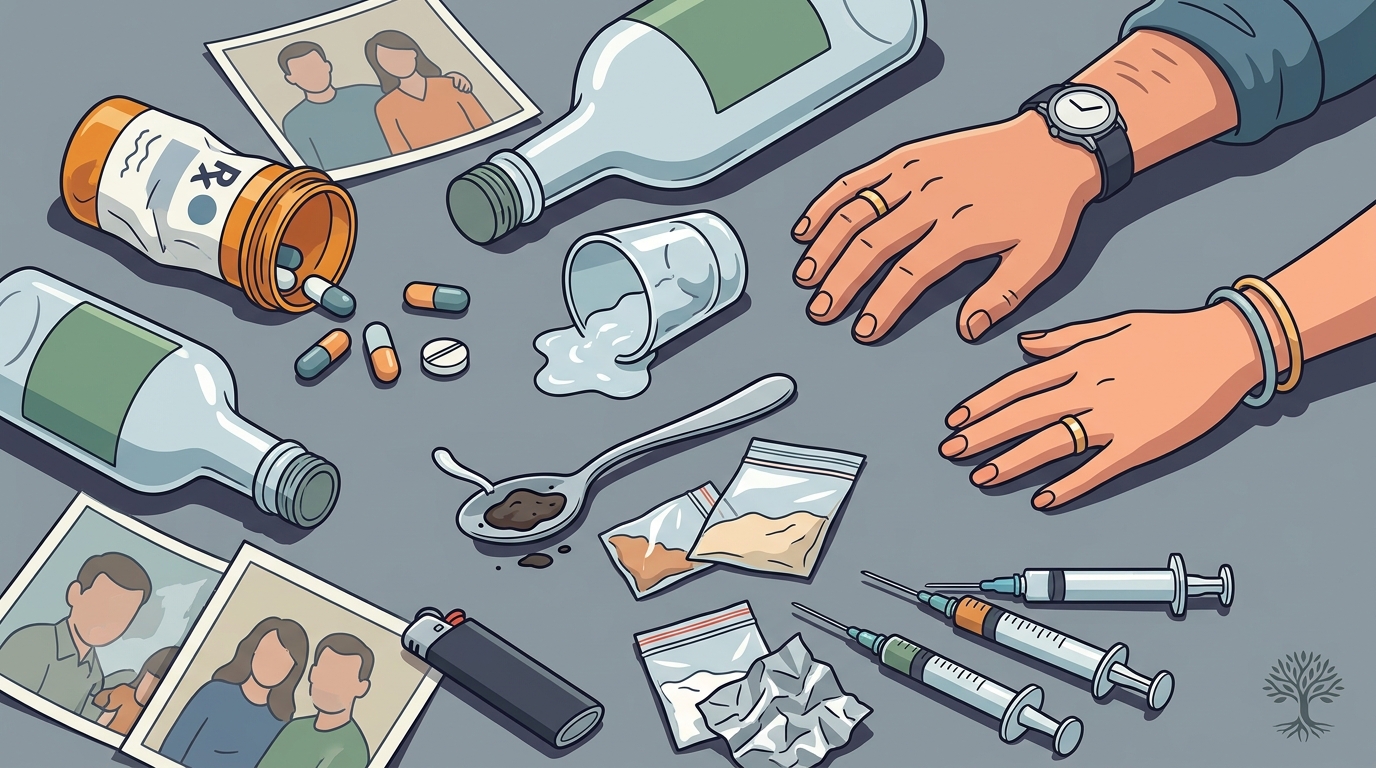
If your loved one is hiding their use, withdrawing from family gatherings, or becoming defensive when questioned, these are classic warning signs. They may fabricate elaborate stories about their whereabouts or refuse to let anyone "be in their business." Increasing secrecy often signals shame about the severity of the problem.
Declining Performance at Work or School
Unexplained absences, missed deadlines, or a sudden drop in performance are common. Your loved one may take unusual days off for vague ailments or stop caring about responsibilities they once prioritized.
New Social Circles
People struggling with addiction frequently distance themselves from long-standing friends and gravitate toward new acquaintances who enable or support their substance use. This social shift can accelerate the cycle of addiction.
Physical Health Red Flags
Physical symptoms can confirm what behavioral clues suggest. These changes are sometimes subtle at first but become impossible to ignore over time.
| Physical Sign | What It May Indicate | Urgency Level |
|---|---|---|
| Rapid weight loss or gain | Disrupted nutrition from substance use | Moderate |
| Glassy or bloodshot eyes, dilated pupils | Active intoxication or withdrawal | High |
| Frequent nosebleeds or runny nose | Possible inhalant or stimulant use | High |
| Erratic sleep patterns (insomnia or oversleeping) | Neurological disruption from drugs | Moderate |
| Unexplained injuries or bruises | Blackouts or risk-taking while impaired | High |
| Noticeable decline in personal hygiene | Self-care is no longer a priority | Moderate |
Tolerance is another critical indicator. Tolerance is the need for increasing amounts of a substance to achieve the same effect, and it is one of the DSM-5 diagnostic criteria for substance use disorder. If your loved one is consuming significantly more than they once did, their brain chemistry is already changing.
Financial and Legal Indicators
Addiction is expensive, and the financial toll often reveals a problem the person is trying to hide. Look for unexplained withdrawals from bank accounts, mounting unpaid bills, missing valuables, or frequent borrowing from friends and relatives.
Legal trouble is another strong signal. Arrests for DUI, drug possession, or erratic public behavior suggest that substance use has compromised judgment and impulse control. Even a single incident of driving under the influence shows a dangerous loss of control that demands attention.
Emotional and Relational Changes
Mood swings, sudden irritability, and unprovoked anger are hallmarks of active addiction. Your loved one may swing from euphoria to deep sadness within hours. They may lash out when confronted about their behavior or become manipulative to avoid accountability.
Relationships suffer as trust erodes. Lying becomes habitual, promises are repeatedly broken, and family members often feel like they are walking on eggshells. Understanding enabling behaviors is critical at this stage because well-meaning support can unintentionally keep the cycle of addiction alive.
When They Want to Stop but Cannot
Perhaps the most heartbreaking sign is when your loved one sincerely expresses a desire to quit but cannot follow through. This is not a failure of willpower. Addiction alters brain function and behavior, making it extraordinarily difficult for individuals to resist the compulsion to use even when they understand the destruction it causes.
The 4 C's of addiction are Craving, loss of Control, Compulsion, and Continued use despite negative consequences. When these four elements are present, the situation has moved far beyond what conversations or ultimatums can resolve. Professional treatment addresses the neurological and behavioral dimensions that willpower alone cannot overcome.
When to Call a Professional Interventionist
If you recognize three or more of the signs described above, it is time to consult a professional. Waiting for a loved one to hit "rock bottom" is a dangerous myth. As the team at Intervention 365 emphasizes, the best time to intervene is now because every day of delay increases the risk of overdose or irreversible harm.
A professional interventionist is a trained specialist who facilitates structured, compassionate conversations between individuals struggling with addiction and their families. Intervention 365's services are led by Jim Reidy, a board-certified interventionist with nearly 15 years of experience and more than 750 successful interventions. The company operates across Pennsylvania, Florida, and the broader East Coast, offering family-centered approaches grounded in the Johnson Model.
What to Expect from a Professional Intervention
The process begins with a comprehensive assessment of your loved one's situation, followed by collaborative planning with family members. During the intervention itself, the interventionist guides a supportive, non-confrontational conversation that encourages acceptance of treatment. Learn more about staging an intervention to understand the complete process.
Why You Should Not Intervene Alone
Attempting an intervention without professional guidance can backfire. Emotions run high, and without a trained mediator the conversation can quickly become adversarial. With the help of a professional drug interventionist, families report significantly higher success rates in getting their loved one to agree to enter treatment.
Key Takeaways
- Behavioral changes like isolation, secrecy, and declining work or school performance are early warning signs of addiction.
- Physical red flags such as weight changes, bloodshot eyes, and increased tolerance indicate that substance use has progressed.
- Financial problems and legal trouble often reveal hidden addiction.
- Mood swings, broken relationships, and manipulative behavior signal emotional deterioration.
- A sincere desire to stop paired with an inability to do so confirms that professional help is needed.
- Waiting for rock bottom is a myth; early intervention produces better long-term recovery outcomes.
- A certified interventionist can guide your family from crisis to treatment placement with structure and compassion.
Frequently Asked Questions
What is the difference between substance misuse and substance use disorder?
Substance misuse refers to using a drug in a way other than prescribed or intended, such as taking higher doses or using someone else's medication. Substance use disorder is a diagnosed medical condition involving compulsive use despite negative consequences. SUD is classified in the DSM-5 and ranges from mild to severe based on how many diagnostic criteria are met.
How many warning signs should I see before seeking professional help?
There is no exact threshold, but if you observe a pattern of two or more signs from different categories, such as behavioral changes combined with physical symptoms or financial problems, it is wise to consult a professional. Trust your instincts as a family member; you know your loved one best.
Can I force my loved one into treatment?
In most cases, the decision to enter treatment remains with the individual. However, a professionally led intervention creates an environment of understanding and motivation that significantly increases the likelihood of acceptance. Intervention 365 reports upwards of a 90% success rate in getting individuals to agree to enter detox or rehab.
What is the Johnson Model of intervention?
The Johnson Model is a widely used intervention approach in which family members and close friends unite in a loving, non-confrontational meeting to express their concerns and encourage the individual to accept help. It prioritizes compassion and clarity over confrontation.
Does Intervention 365 serve families outside Pennsylvania?
Yes. Intervention 365 operates across Pennsylvania, Florida, New Jersey, Maryland, Virginia, Delaware, and beyond. The team also offers services in additional states. Visit the intervention services page for full coverage details.
What happens after the intervention?
After a successful intervention, the team assists with treatment placement, including coordinating detox, rehab, and sober escort transportation. Intervention 365 provides follow-up support to ensure a smooth transition into recovery.
How do I avoid enabling my loved one's addiction?
Enabling is the unintentional act of shielding someone from the consequences of their addiction, such as covering up their behavior, providing money, or taking over their responsibilities. Educating yourself on enabling behaviors and setting firm boundaries are essential steps toward breaking the cycle.
Is addiction considered a disease?
Yes. Leading medical organizations, including the American Medical Association and the National Institute on Drug Abuse, classify addiction as a chronic brain disease. It involves changes in brain circuitry related to reward, stress, and self-control, and it requires medical treatment similar to other chronic conditions.
Take the First Step Today
If the signs in this guide resonate with what you are seeing in your family, do not wait for the situation to worsen. Contact Intervention 365 now for a confidential consultation. Jim Reidy and his team are ready to help your family move from crisis to healing, any day of the year.