
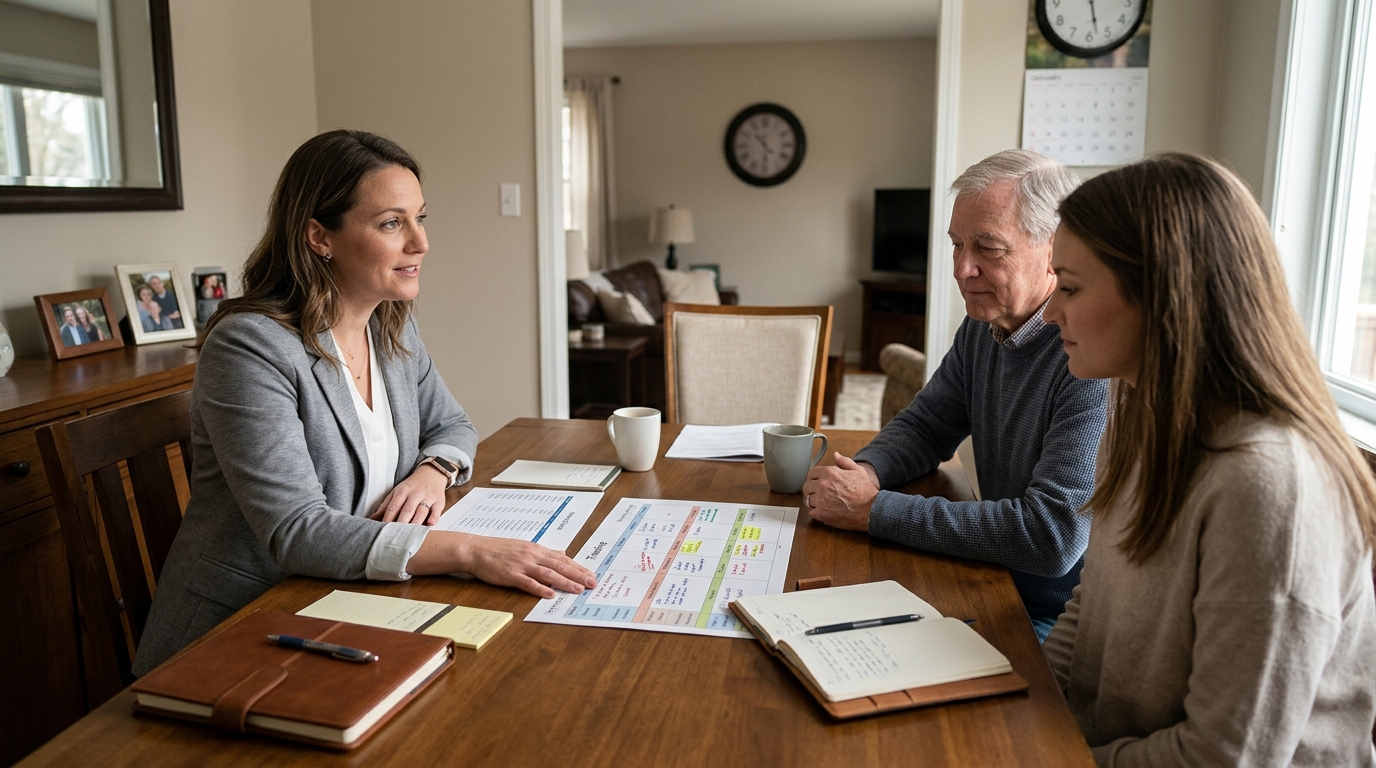
When a loved one is struggling with addiction, every hour feels urgent. Families often ask one critical question before anything else: how long does it take to plan an intervention? The answer depends on the intervention model used, the complexity of the family situation, and how quickly logistics like treatment placement can be arranged. In most cases, a professional intervention can be planned and safely conducted within a few days to two weeks. This guide breaks down each phase of the planning process so you know exactly what to expect when you contact Intervention 365.
What Is Intervention Planning?
Intervention planning is the structured preparation process that takes place before a family formally confronts a loved one about their addiction. It includes assessing the individual's situation, assembling a support team, coordinating with treatment facilities, and rehearsing the conversation itself.
An intervention is a structured, compassionate conversation aimed at motivating individuals to seek help for their substance abuse or mental health issues. At Intervention 365, every intervention is guided by a trained professional who helps families move from confusion to action.
Typical Timeline: Days vs. Weeks
Most professionally led interventions can be planned in as few as 24 to 72 hours in crisis situations, or over one to two weeks when more preparation is needed. The Johnson Model, the most widely recognized surprise intervention approach, typically involves the interventionist meeting with family and loved ones at least two to three times before the actual intervention day.
The ARISE model, which is a more gradual and family-oriented approach, may unfold over several weeks because it includes multiple stages of engagement. Regardless of model, the goal is always speed balanced with safety.
Real-World Speed: Intervention 365 in Action
One family hired Jim Reidy on a Friday, and he was on a plane and ready to conduct the intervention by Saturday. That kind of responsiveness is a hallmark of Intervention 365's approach, where urgency is treated as a core value. Jim Reidy is a board-certified interventionist with nearly 15 years in the field and more than 750 successful interventions completed.
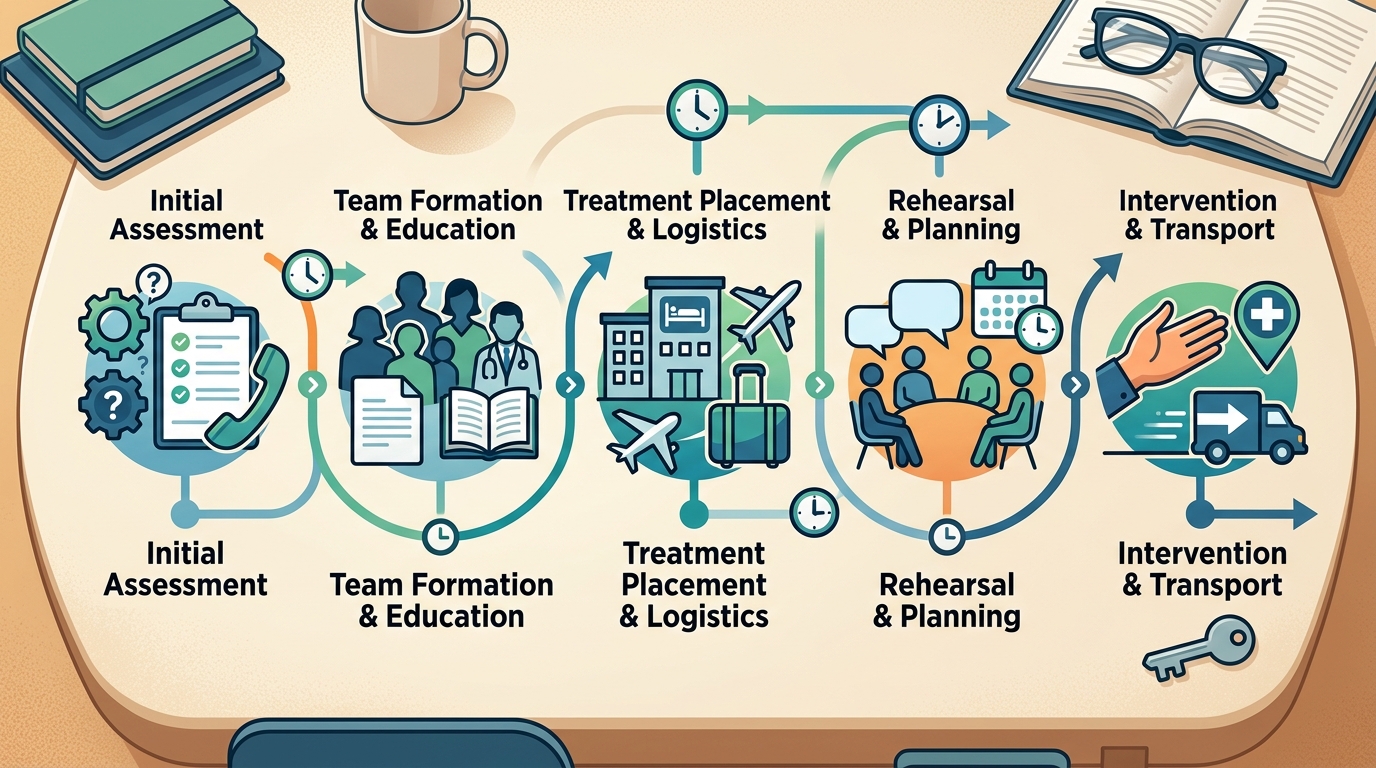
The Key Phases of Intervention Planning
Phase 1: Initial Consultation and Assessment
The process begins when a concerned family member contacts a professional interventionist. During this call, the interventionist assesses the loved one's situation, understanding their unique challenges and needs. This phase can happen the same day you reach out.
Phase 2: Family Preparation and Team Building
Family preparation sessions typically occur over one to two weeks. Each family member works with the interventionist individually and as a group. Everyone writes a letter expressing their concerns, which the interventionist reviews for tone and clarity. Treatment placement is also secured during this phase, with a bed reserved at a detox or residential facility.
Phase 3: Logistics, Rehearsal, and Intervention Day
The day before the intervention, the family gathers to rehearse reading letters, handle expected reactions, and decide the speaking order. Transportation, insurance verification, and packed bags are confirmed. On the intervention day, the interventionist facilitates the structured conversation.
Factors That Affect the Timeline
Several variables can shorten or extend the planning process:
- Severity of the crisis: If overdose risk is imminent, planning accelerates to hours, not days.
- Family readiness: A unified family moves faster than one where members disagree on whether to intervene.
- Treatment bed availability: Securing a spot at a quality detox or rehab facility can take 24 hours to a week.
- Geographic logistics: Intervention 365 serves families across Pennsylvania, Florida, and the entire East Coast, but travel time must be factored in.
- Enabling patterns: Families caught in enabling behaviors may need additional coaching before the intervention can proceed safely.
Intervention Models Compared
The intervention model your family chooses directly impacts the planning timeline. Below is a comparison of the three mainstream models.
| Model | Planning Duration | Family Meetings Before Intervention | Approach Style | Best For |
|---|---|---|---|---|
| Johnson Model | 3 to 14 days | 2 to 3 meetings | Surprise, structured | Crisis situations with high denial |
| ARISE Model | 1 to 8 weeks | 2 to 5 meetings across stages | Invitational, gradual | Families preferring transparency |
| CRAFT | 4 to 12 weeks | Ongoing family training sessions | Behavioral change training | Resistant individuals, long-term approach |
A professional interventionist is a trained specialist who facilitates conversations between individuals struggling with substance abuse and their concerned family. At Intervention 365, Jim Reidy primarily uses the Johnson Model because of its effectiveness in urgent situations, though the approach is always tailored to each family.
What About Emergency Situations?
When addiction escalates to a life-threatening crisis, waiting days or weeks is not an option. Intervention 365 is built around structure, urgency, clarity, and action. The company helps families stop waiting and start taking strategic, organized, loving steps to get their loved one into treatment.
In emergency scenarios, Jim Reidy and his team can begin planning within hours of the first phone call. Treatment facilities are contacted immediately, and the intervention can often take place within 24 to 48 hours. If you believe your situation is urgent, do not hesitate to call. Learn more about why the best time to intervene is now.
Key Takeaways
- Most professional interventions are planned and conducted within 3 to 14 days.
- Emergency interventions can be arranged in as little as 24 to 48 hours.
- The Johnson Model typically requires 2 to 3 family meetings before intervention day.
- The ARISE and CRAFT models take longer because they use gradual engagement strategies.
- Treatment bed availability and family readiness are the two biggest timeline variables.
- A board-certified interventionist like Jim Reidy brings nearly 15 years of experience and over 750 successful interventions.
- With professional guidance, interventions have an estimated 90% success rate in getting a loved one to agree to treatment.
Frequently Asked Questions
How quickly can an intervention be planned in an emergency?
In a crisis, a professional interventionist can begin planning within hours. Intervention 365 has conducted interventions within 24 hours of the initial family phone call when immediate danger is present.
What is the Johnson Model of intervention?
The Johnson Model is a structured, surprise-style intervention created by Dr. Vernon Johnson. Family members and friends meet with an interventionist two to three times to plan a compassionate confrontation that encourages the individual to enter treatment.
How is the ARISE Model different from the Johnson Model?
ARISE is a Relational Intervention Sequence for Engagement. It is a more gradual, invitational approach where the individual knows about the intervention process. According to Shatterproof, 83% of people agreed to enter treatment or pursue self-help when the ARISE invitational model was used.
Do I need to have a treatment center lined up before the intervention?
Yes. A treatment bed should be secured before intervention day so your loved one can transition directly from the intervention to detox or rehab. Intervention 365 collaborates with reputable facilities to handle this logistics step for families.
What happens if my loved one says no during the intervention?
The ultimate decision to enter treatment remains with the individual. However, professionally led interventions have high success rates. The interventionist also helps the family establish boundaries and consequences that encourage future acceptance of help.
Does Intervention 365 serve families outside Pennsylvania?
Yes. Intervention 365 operates across Pennsylvania, Florida, New Jersey, Maryland, Virginia, Delaware, and beyond. The team travels nationwide to support families in need.
How much does intervention planning cost?
Intervention 365 is known for family-friendly pricing that makes professional intervention accessible. Contact the team directly for a confidential consultation and pricing details.
Can the intervention be done virtually?
Yes, virtual or remote interventions are available. They involve using video technology to connect participants from different locations, with the interventionist guiding the process remotely.
Take the Next Step Today
Every day of delay is a missed opportunity for recovery. If your family is ready to act, contact Intervention 365 now for a confidential consultation. Jim Reidy and his team will walk you through the planning process, help secure a treatment bed, and guide your family from crisis to healing. Call today and start the journey toward recovery.