

When a loved one is struggling with addiction, every hour feels urgent. Families across Pennsylvania, Florida, and the entire East Coast often ask the same question: how long does it take to plan an intervention before it can be safely carried out? The answer depends on the intervention model used, the severity of the crisis, and how quickly the family can unify around a plan. In most cases, a professionally guided intervention can be planned and executed within one to three weeks. In true emergencies, experienced interventionists like the team at Intervention 365 have mobilized in as little as 24 to 48 hours.
What Is Intervention Planning?
Intervention planning is the structured preparation process that occurs before a family formally confronts a loved one about their addiction and asks them to accept treatment. It involves assessment, team building, letter writing, treatment placement, and logistics coordination.
An intervention is a structured, compassionate conversation aimed at motivating an individual to seek help for substance abuse or mental health issues. Without proper planning, even well-intentioned families risk triggering defensiveness, damaging trust, or losing the opportunity entirely.
Typical Timeline: What to Expect Week by Week
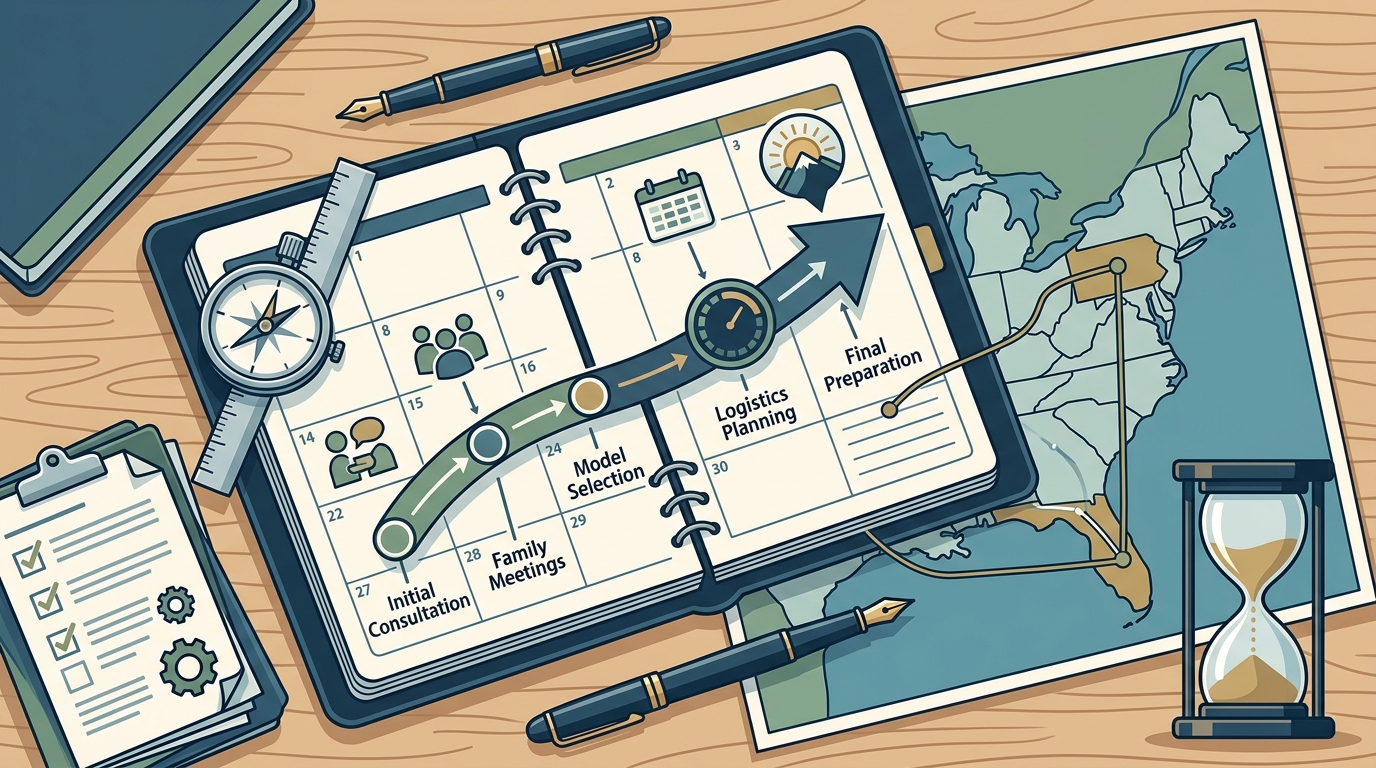
Most professionally led interventions follow a predictable planning arc. According to intervention specialists, the process generally unfolds over one to three weeks, broken into clear phases.
| Phase | Timeframe | Key Activities |
|---|---|---|
| Initial Consultation | Day 1 (Week 1) | Family contacts interventionist; situation is assessed; a model is recommended |
| Family Preparation | Weeks 1 to 2 | Individual and group coaching sessions; structured letter writing; roles assigned |
| Treatment Placement | Week 2 | A bed is reserved at a detox or residential facility; insurance is verified |
| Logistics and Rehearsal | Day before intervention | Travel planned; bags packed; family rehearses reading order and responses |
| Intervention Day | Week 2 or 3 | The conversation takes place; transport to treatment begins if accepted |
This timeline compresses or stretches depending on urgency. In the Johnson Model, the interventionist typically meets with the family at least twice before the formal intervention meeting.
Factors That Affect the Planning Timeline
Family Readiness and Unity
The single biggest variable is how quickly the family can align. Addiction disrupts the entire family system, often leaving members divided between enabling, avoidance, and confrontation. The interventionist must educate the family and help them recognize enabling behaviors before moving forward.
Severity and Substance Type
Fentanyl and opioid cases often compress the timeline dramatically. When overdose risk is extreme, waiting weeks is simply not safe. In these situations, professionals prioritize speed while still maintaining a structured approach.
Treatment Bed Availability
Securing a bed at the right facility takes coordination. Insurance verification, geographic preferences, and clinical needs all influence how quickly placement can be confirmed. Intervention 365 collaborates with detox and rehab facilities to streamline this step.
How Different Intervention Models Impact Timing
An intervention model is the clinical framework that guides how the conversation is structured and delivered. The model you choose directly affects how long planning takes.
| Model | Typical Planning Duration | Approach |
|---|---|---|
| Johnson Model | 1 to 2 weeks | Surprise intervention; family writes letters; confrontational but caring |
| ARISE | 2 weeks to several months | Invitational; person is aware and invited to participate; tiered stages |
| CRAFT | 4 to 12 weeks | Family behavior training; no formal confrontation meeting |
The Johnson Model, developed by Dr. Vernon Johnson in the 1970s, is the most commonly used approach in the United States. It focuses on a surprise, caring confrontation where family members present evidence and consequences through personal letters.
The ARISE model, which stands for A Relational Intervention Sequence for Engagement, takes a more gradual approach. According to the Association of Intervention Specialists, the ARISE method reports an 83% treatment engagement rate over its multi-stage process.
Emergency Interventions: When 48 Hours Is All You Have
Sometimes families cannot afford to wait. When a loved one is days away from a fatal overdose or legal crisis, the planning timeline must compress. One Intervention 365 client reported hiring their interventionist on a Friday and conducting the intervention by Saturday.
Emergency interventions still follow the core steps of assessment, preparation, and treatment placement, but each phase is accelerated. A certified intervention professional with deep experience can compress what normally takes two weeks into 24 to 48 hours without sacrificing safety.
Jim Reidy, the lead interventionist at Intervention 365, is a board-certified professional with nearly 15 years of experience and more than 750 successful interventions completed. That depth of experience is what makes rapid deployment possible.
Why Rushing Without a Plan Backfires
While urgency matters, an unplanned intervention often does more harm than good. A spontaneous confrontation can raise the person's defenses so high that they stop listening entirely. As American Addiction Centers notes, it is critical that friends and family avoid spontaneity in what they say, when they gather, and where they gather.
Without professional guidance, families risk placing blame, triggering emotional breakdowns, or pushing the individual further into isolation. The planning process exists to protect both the family and the person struggling with addiction.
Studies suggest that with the help of a professional interventionist, there is upwards of a 90% success rate in getting an individual to agree to enter detox or rehab. That statistic drops sharply when families attempt interventions without structure or expertise.
Key Takeaways
- Most professionally guided interventions take one to three weeks to plan safely.
- Emergency interventions can be organized in 24 to 48 hours by experienced professionals.
- The Johnson Model typically requires the shortest planning window at one to two weeks.
- The ARISE model may take several weeks to months due to its gradual, tiered approach.
- Family readiness, substance severity, and treatment bed availability are the biggest timing factors.
- Unplanned interventions frequently backfire and can damage trust permanently.
- Professional interventionists achieve significantly higher success rates than family-only attempts.
Frequently Asked Questions
How long does it typically take to plan a drug or alcohol intervention?
Most interventions are planned within one to three weeks. The timeline depends on the intervention model, family coordination, and treatment placement logistics. In crisis situations, planning can compress to 24 to 48 hours.
Can an intervention be done the same week we call?
Yes. Experienced interventionists can mobilize quickly when the situation is urgent. Intervention 365 has conducted interventions within days of the initial family call.
What happens during the planning phase of an intervention?
Planning includes an initial assessment, family coaching sessions, structured letter writing, securing a treatment bed, and a final rehearsal. Each step prepares the family to deliver a unified, compassionate message.
Does the person know the intervention is being planned?
It depends on the model. The Johnson Model is a surprise intervention. The ARISE model openly invites the individual to participate in family meetings from the start.
What is the most important factor in planning an intervention safely?
Family unity is the most critical factor. When family members are divided or still enabling, the intervention is unlikely to succeed. A professional interventionist helps the family align before the conversation takes place.
How do I know which intervention model is right for my family?
A professional interventionist will assess your situation during the initial consultation and recommend the best model. Factors include the urgency of the crisis, the person's temperament, and the family dynamic.
What if we wait too long to intervene?
Delaying an intervention increases the risk of overdose, legal consequences, and irreversible health damage. Research consistently shows that individuals who receive timely intervention have significantly higher chances of entering and staying in treatment.
How much does intervention planning cost?
Costs vary based on the interventionist, travel requirements, and complexity of the case. Intervention 365 offers family-friendly pricing to ensure professional help is accessible.
Take the First Step Today
If your family is considering an intervention, do not wait for the perfect moment. The planning process begins with a single phone call. Contact Intervention 365 today to speak with a certified intervention professional who can assess your situation and outline a realistic timeline. Every day of delay is a day your loved one remains at risk. Pick up the phone and start the conversation now.