

When a family decides it is time to stage an intervention for a loved one struggling with addiction, one of the first questions that comes up is: how long will the planning process take before we can actually hold the intervention? The answer depends on multiple factors, including family readiness, the complexity of the situation, and whether a professional interventionist is involved. In most cases, the planning phase ranges from a few days to several weeks. Understanding this timeline helps families prepare mentally, emotionally, and logistically so they can approach the intervention with confidence and clarity.
What Is Intervention Planning?
Intervention planning is the structured preparation process that takes place before a formal intervention meeting. It includes assessing the individual's situation, assembling a team of family members and friends, coordinating treatment placement, and rehearsing what will be said during the meeting itself.
An intervention is a carefully planned process where loved ones and a professional interventionist come together to encourage someone struggling with addiction to seek help. The goal is not confrontation for its own sake but rather a compassionate, organized effort to break through denial and connect the person with treatment.
At Intervention 365, the planning process is guided by trained interventionists who personalize every step to fit each family's unique dynamics.
Typical Timeline for Planning an Intervention
There is no single answer to how long planning takes. According to the Mayo Clinic, it can take several weeks to plan an effective intervention. However, with a professional interventionist leading the effort, many families move from first phone call to intervention day in a matter of days.
Intervention 365 notes that once the family is ready, the process can move forward typically within days. The planning process may require several days of preparation, including consultation calls, family education, letter writing, and treatment coordination.
| Planning Approach | Estimated Timeline | Key Considerations |
|---|---|---|
| Family-led (no professional) | 2 to 6 weeks | Higher risk of miscommunication and emotional escalation |
| Professional interventionist | 2 to 7 days | Structured guidance, treatment pre-arranged, rehearsals included |
| Crisis or emergency situations | 24 to 48 hours | Requires immediate action; safety planning is critical |
Speed matters in addiction intervention, but smart speed matters even more. Rushing without preparation can backfire, while excessive delay gives addiction more time to cause harm.
Key Phases of the Planning Process
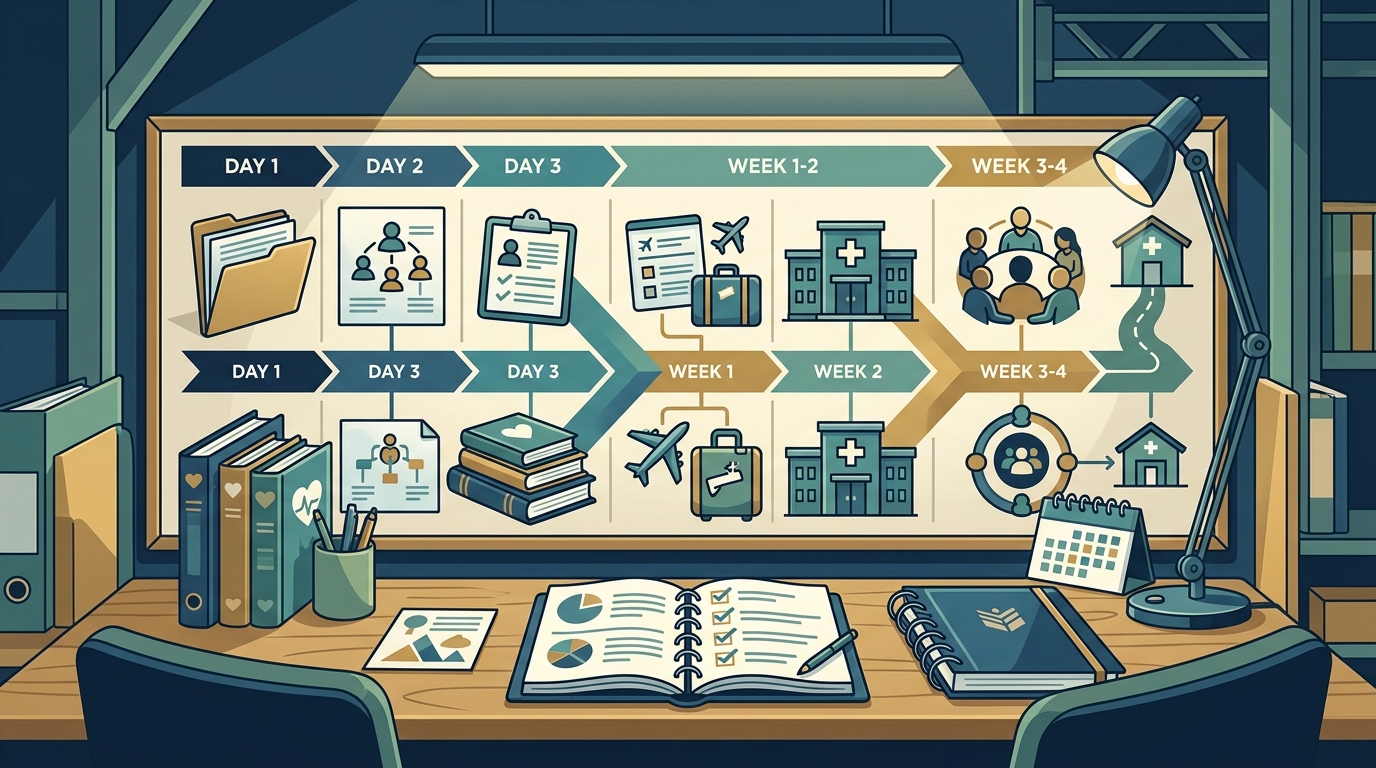
Phase 1: Initial Consultation and Assessment
The process starts with a phone call. During this initial consultation, the interventionist assesses the individual's addiction history, family dynamics, enabling patterns, and level of resistance. Intervention 365 offers a free initial consultation to help families determine the right path forward.
Phase 2: Family Education and Coaching
Family education is a critical component that often takes about 8 hours the day before the intervention. During this phase, the interventionist educates the family on addiction as a disease, enabling behaviors, denial patterns, and how to set boundaries. The team at Intervention 365 believes that understanding family roles in addiction is essential to a successful outcome.
Phase 3: Letter Writing, Rehearsal, and Treatment Coordination
Structured letter writing is a tactic commonly used by interventionists. Each family member writes a letter that follows a specific emotional sequence designed to break through the addicted person's defenses. The interventionist also pre-arranges detox and rehab placement so that if the loved one says yes, the transition is immediate.
Factors That Affect the Planning Timeline
Several variables influence how quickly an intervention can be organized:
- Family readiness: If family members are aligned and committed, planning moves faster. Internal disagreements or hesitation can add days or weeks.
- Severity of addiction: More severe or complex cases, including dual-diagnosis situations, may require additional planning and specialized treatment placement.
- Geographic logistics: Coordinating participants across different locations takes time. Intervention 365 serves families throughout Pennsylvania and travels nationwide.
- Treatment availability: Confirming a bed at an appropriate detox or rehab facility can affect timing.
- Safety concerns: If there is a risk of violence or self-harm, additional safety planning is required before the intervention can proceed.
Professional vs. DIY Intervention Planning
A professional interventionist is a trained and experienced individual who specializes in planning and facilitating interventions for those grappling with substance abuse or mental health challenges. Hiring one dramatically changes the planning timeline and the likelihood of success.
Studies have shown that interventions conducted by professionals are more likely to result in the individual's acceptance of treatment. Without professional guidance, families risk emotional escalation, enabling behaviors during the meeting, and a lack of follow-through on consequences.
Intervention 365 employs board-certified interventionists who manage every detail, from coaching family members through rehearsals to acting as a sober escort directly into detox and rehab once the loved one agrees to get help.
What Happens the Day Before the Intervention
The day before the intervention is one of the most intensive parts of the process. The interventionist meets with the family team in person for an extended education and preparation session. This typically includes:
- Deep review of family systems and enabling dynamics
- Rehearsal of each person's letter and speaking role
- Brainstorming likely objections and preparing responses
- Finalizing treatment logistics, insurance verification, and travel plans
- Establishing boundaries and bottom lines for each participant
This preparation ensures the actual intervention day unfolds as a structured, compassionate conversation rather than a chaotic confrontation. The intervention meeting itself may last anywhere from a couple of hours to a full day, depending on the individual's response.
Key Takeaways
- Intervention planning typically takes anywhere from 2 days to several weeks, depending on whether a professional is involved.
- A professional interventionist can compress the timeline to just a few days while maintaining thoroughness.
- The planning process includes consultation, family education, letter writing, rehearsal, and treatment coordination.
- Family readiness is the single biggest factor affecting how quickly planning can begin.
- The day before the intervention involves approximately 8 hours of intensive family preparation.
- Treatment placement should be arranged before the intervention so the transition is immediate if the loved one agrees.
- Rushing without preparation is risky, but unnecessary delay gives addiction more time to cause damage.
Frequently Asked Questions
How long does intervention planning usually take?
Planning can take anywhere from a couple of days to several weeks. With a professional interventionist, most families move from the first call to intervention day within 2 to 7 days.
Can an intervention be organized in 24 hours?
In emergency situations, yes. Crisis interventions can be coordinated within 24 to 48 hours, though a longer planning window generally leads to better outcomes.
What happens during the planning phase?
The planning phase includes an initial assessment, family education sessions, structured letter writing, rehearsal of the intervention meeting, and pre-arranged treatment placement at a detox or rehab facility.
Do I need a professional interventionist?
While families can plan an intervention on their own, working with a professional significantly increases the likelihood that the individual will accept treatment. A professional also manages emotional dynamics and safety concerns.
How long does the actual intervention meeting last?
The intervention meeting itself typically lasts from 60 to 90 minutes, though some can extend to several hours or even a full day depending on the situation.
What if our family is not all in the same location?
Interventionists regularly coordinate with families spread across different states. Intervention 365 travels nationwide and can help organize logistics for remote participants.
Is the family education session mandatory?
It is strongly recommended. The family education component helps participants understand addiction, eliminate enabling behaviors, and present a unified front during the intervention.
What should we do while waiting for the intervention day?
Focus on following the interventionist's guidance. Avoid tipping off the loved one, complete your letter writing assignments, and prepare emotionally for the day ahead.
Take the Next Step With Intervention 365
If your family is considering an intervention for a loved one struggling with addiction, do not wait for the situation to get worse. The planning process can begin today with a single phone call. Contact Intervention 365 now to speak with a certified interventionist who will guide your family through every step, from planning to treatment placement and beyond. Your loved one's recovery can start sooner than you think.