

Signs a Loved One Needs Professional Help for an Addiction Crisis
Watching someone you care about spiral into addiction is one of the most painful experiences a family can endure. You may notice subtle changes at first, then escalating behaviors that leave you wondering whether the situation truly warrants professional intervention. According to SAMHSA's 2023 NSDUH report, 48.5 million Americans aged 12 or older had a substance use disorder, yet 85.4 percent of them did not receive treatment. Knowing when to act can save a life. This guide will help you recognize the warning signs, understand the urgency, and take the right next step with confidence.
What Is an Addiction Crisis?
An addiction crisis is a point at which substance use has escalated to the degree that it poses immediate risk to a person's health, safety, relationships, or livelihood. Addiction is a physical and psychological condition involving the compulsive use of a substance despite negative consequences to every aspect of an individual's life, as defined by the Mayo Clinic.
Families often wait for a so-called "rock bottom" before seeking help. But as the team at Intervention 365's Intervention Now page explains, rock bottom is a dangerous illusion that can lead to irreversible consequences, including overdose or death. The best time to intervene is always now.
Behavioral Warning Signs to Watch For
Behavioral changes are often the earliest indicators that substance use has crossed the line into crisis territory. According to SAMHSA, family members are often the first to notice changes in mood or behavior in a loved one.
Social Withdrawal and Secrecy
A person struggling with addiction may retreat from relationships and community engagements they once valued. They may become secretive about their whereabouts, finances, and daily activities.
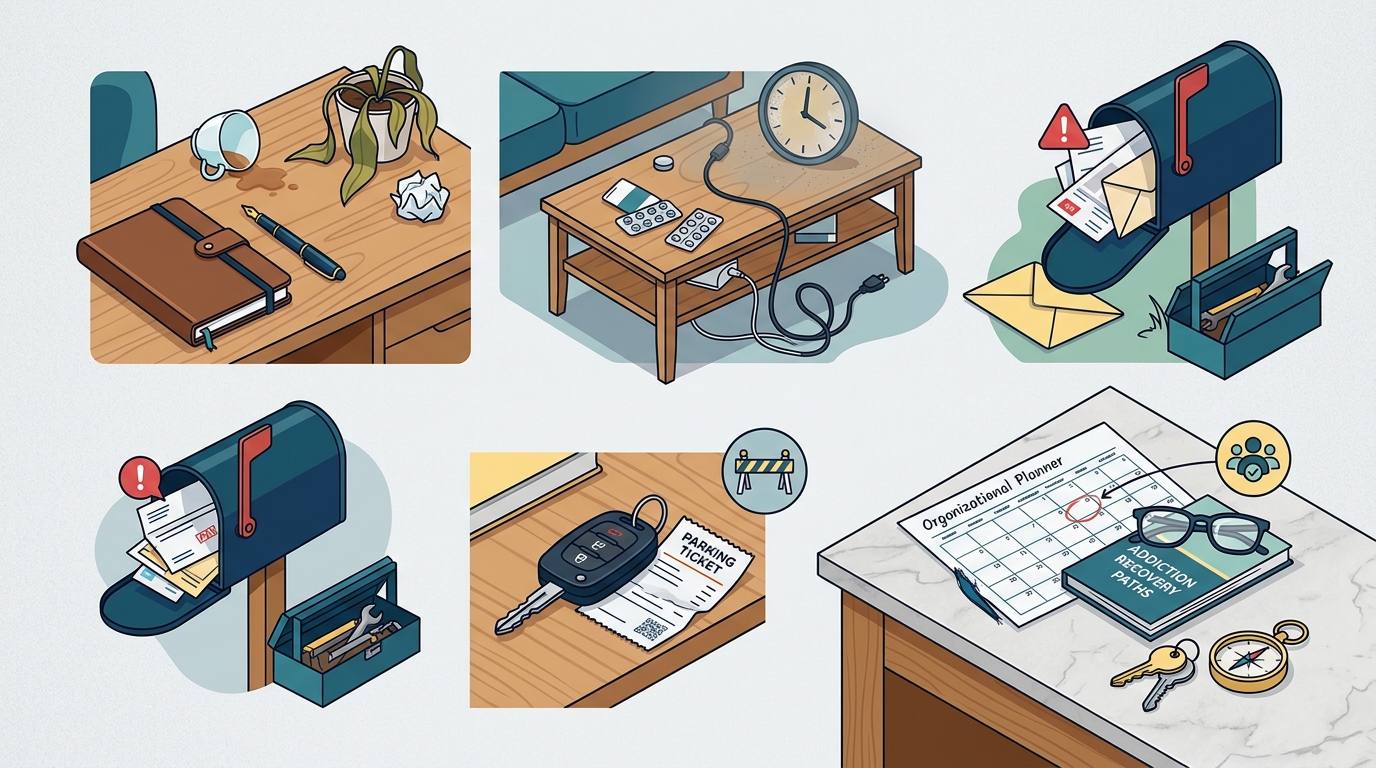
Declining Responsibilities
Missing work or school, neglecting bills, and abandoning obligations are red flags. When substance use becomes a priority over daily responsibilities, professional help is likely overdue.
Risky or Erratic Behavior
Engaging in dangerous activities to acquire or use substances, driving under the influence, or displaying sudden mood swings and aggression point to a deepening crisis.
Physical Signs That Signal Professional Help Is Needed
Physical symptoms often confirm what behavioral clues suggest. Look for these indicators:
| Physical Sign | Possible Substances | Urgency Level |
|---|---|---|
| Dramatic weight loss or gain | Stimulants, opioids, alcohol | Moderate |
| Bloodshot or glazed eyes | Marijuana, alcohol, opioids | Moderate |
| Unexplained injuries or bruises | Any substance | High |
| Slurred speech or impaired coordination | Alcohol, benzodiazepines, opioids | High |
| Seizures or loss of consciousness | Alcohol withdrawal, opioid overdose | Emergency (call 911) |
| Track marks or skin infections | Intravenous drug use | High |
If your loved one has lost consciousness after taking drugs or drinking, or has experienced a seizure, call 911 immediately. These are medical emergencies that require instant attention.
Emotional and Family Impact
Addiction does not affect just the individual; it impacts the entire family system. Family members often cycle through fear, guilt, anger, and helplessness. As noted on the Intervention 365 services page, addiction disrupts family dynamics and requires a whole-family approach to healing.
The Hazelden Betty Ford Foundation offers a helpful reminder: "You didn't cause it, you can't control it, and you can't cure it." This perspective empowers families to focus on what they can do, which is seek professional guidance and support their own well-being.
Enabling vs. Helping: Know the Difference
Enabling is a pattern of behavior that unintentionally allows addiction to continue. It is driven by love, fear, guilt, or denial, but it shields the person from the natural consequences of their substance use. Common enabling behaviors include providing money that funds substance purchases, making excuses for absences, and taking over responsibilities the person has abandoned.
The enabling resources page on Intervention 365 outlines how families can identify these patterns and replace them with supportive boundaries. Genuine help builds independence, while enabling breeds dependence.
When to Call a Professional Interventionist
You should consider calling a professional interventionist when:
- Your loved one refuses to acknowledge a problem or denies help repeatedly.
- Substance use has led to legal, financial, or health consequences.
- Previous family conversations have not resulted in change.
- You fear for their safety or the safety of others.
- Withdrawal symptoms make quitting without medical supervision dangerous.
A professional interventionist is a trained specialist who guides families through a structured, compassionate process designed to motivate a loved one to accept treatment. Jim Reidy, lead interventionist at Intervention 365, is a Certified Intervention Professional with over 750 successful interventions and is recognized on A&E's television show "Intervention."
Studies suggest that with the help of a professional interventionist, there is upwards of a 90% success rate in getting an individual to agree to enter detox or rehab, according to data shared on the Interventions Work page.
What to Expect from a Professional Intervention
The intervention process at Intervention 365 follows the Johnson Model of Intervention, a proven approach developed in the 1960s by Dr. Vernon Johnson. The Johnson Model is a carefully planned, family-driven process in which loved ones unite to present a clear, loving message urging the individual to accept treatment.
Before the Intervention
Families work directly with the interventionist through education, letter writing, and strategic planning. There are no handoffs. The person you speak with is the person guiding your family, as emphasized on the Intervention 365 pricing page.
During the Intervention
The conversation is structured, compassionate, and focused on empathy. Family members share personal stories about how addiction has affected them while presenting a clear choice: accept help now or face predetermined consequences.
After the Intervention
If the individual agrees, the interventionist serves as a sober escort to detox and rehab. Follow-up support continues well beyond intervention day, ensuring both the individual and the family have tools for sustained recovery.
Key Takeaways
- Do not wait for "rock bottom." Early intervention leads to better long-term recovery outcomes.
- Behavioral changes like social withdrawal, declining responsibilities, and risky behavior are early warning signs.
- Physical symptoms such as dramatic weight changes, slurred speech, or seizures demand immediate action.
- Enabling shields your loved one from consequences and prolongs the addiction cycle.
- A professional interventionist dramatically increases the likelihood of treatment acceptance.
- The Johnson Model provides a structured, loving, and non-confrontational approach to intervention.
- Intervention 365 serves families across Pennsylvania, New Jersey, Maryland, Delaware, Florida, and beyond.
Frequently Asked Questions
What qualifies as an addiction crisis?
An addiction crisis occurs when substance use creates immediate danger to a person's health, relationships, employment, or safety. It can include overdose risk, job loss, legal trouble, or severe withdrawal symptoms that require medical attention.
How do I know if my loved one is in denial about their addiction?
Denial often presents as minimizing use, blaming others for problems caused by substance abuse, or insisting they can quit anytime. Many people who become addicted will be unaware or in denial of the severity of their problem.
Can I stage an intervention without a professional?
Experts strongly advise against it. Interventions are emotionally charged situations that can escalate quickly. A trained interventionist ensures the conversation stays focused on empathy and produces a constructive outcome.
What is the Johnson Model of Intervention?
The Johnson Model is a structured intervention approach developed by Dr. Vernon Johnson in the 1960s. It involves a surprise, family-driven conversation that confronts the individual with the reality of their substance use in a loving, planned manner.
How much does a professional intervention cost?
Costs vary, but Intervention 365 offers family-friendly pricing designed so the average family can afford professional help without financial fear. Contact them directly for a transparent quote with no hidden fees.
What should I do if my loved one refuses treatment after an intervention?
A skilled interventionist prepares families for this possibility. Family members establish boundaries and consequences in advance. Often, the seed planted during the intervention leads the person to accept help within days or weeks.
Does Intervention 365 serve areas outside Pennsylvania?
Yes. Intervention 365 serves families across the East Coast, including Pennsylvania, New Jersey, Delaware, Maryland, Virginia, New York, and Florida, as well as select Midwest locations.
How quickly can an intervention be arranged?
Intervention 365 can mobilize quickly. In some cases, families have reached out on a Friday and had an interventionist on-site by Saturday. Timing depends on the specific circumstances and urgency of the situation.
Get Help Now
If you recognize any of these signs in someone you love, do not wait another day. Every moment of delay increases the risk and deepens the pain for your entire family. Contact Intervention 365 today to speak directly with a Certified Intervention Professional who will guide your family from crisis to healing. Call (888) 972-8513 or fill out the confidential contact form on the website. The best time to act is now.