

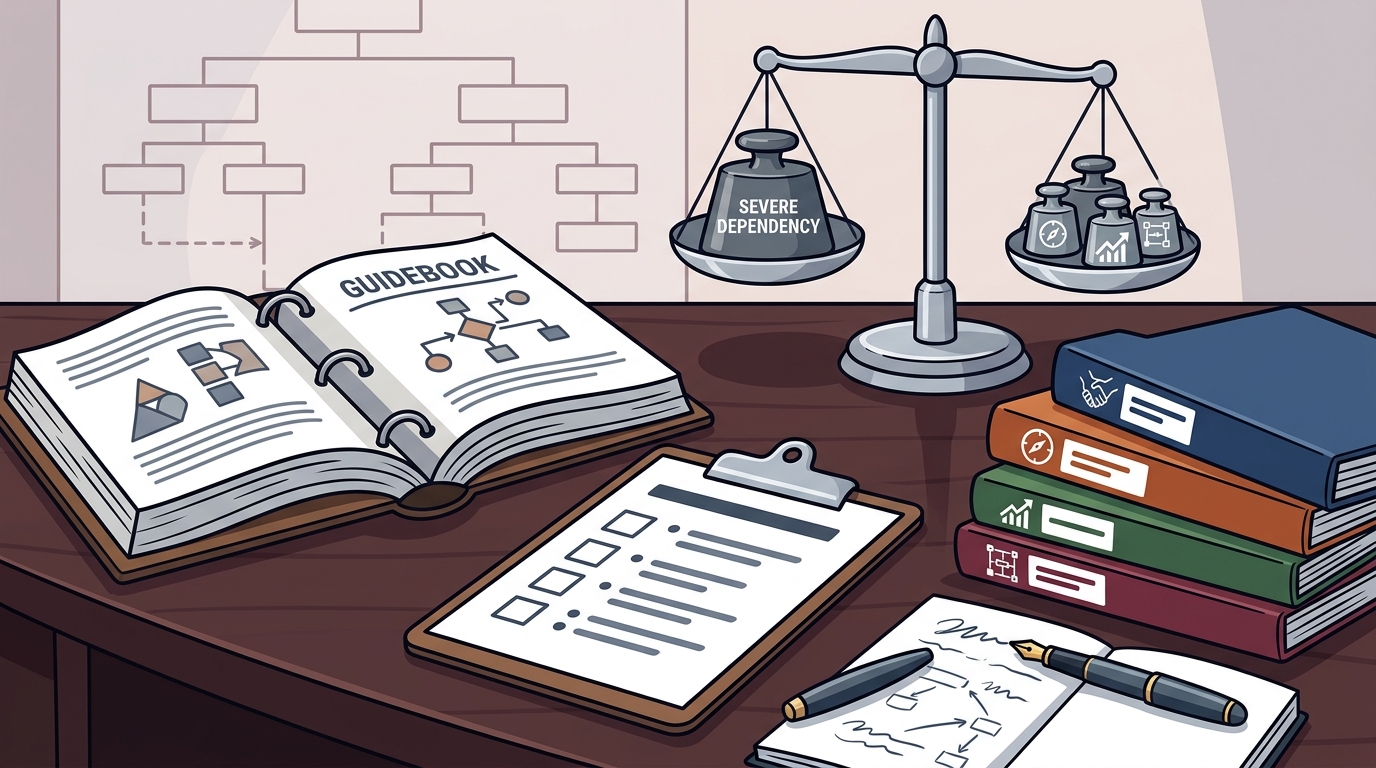
When someone you love is caught in the grip of severe addiction, deciding how to intervene can feel as overwhelming as the crisis itself. Multiple evidence-based intervention models exist, each with distinct philosophies, success metrics, and ideal use cases. This ultimate guide breaks down the four most widely recognized models, compares their strengths and limitations side by side, and provides a practical decision framework so you can match the right approach to your family's unique situation.
Why the Choice of Intervention Model Matters
Not every intervention looks like what you see on television. In fact, choosing the wrong approach can damage family trust, trigger a severe fight-or-flight response, or lead to relapse even when the person initially agrees to treatment. The right model aligns with the severity of the dependency, the family's emotional readiness, the individual's personality, and the presence of any co-occurring mental health conditions.
Treatment outcomes depend heavily on matching the intervention to the situation. As the Surgeon General's report on addiction notes, treatment varies depending on the substances used, severity of the disorder, and comorbidities. The same principle applies to the intervention that precedes treatment.
The Four Major Intervention Models Explained
1. The Johnson Model (Direct Confrontation)
Developed by Dr. Vernon Johnson in the 1960s, this is the oldest and most widely recognized intervention model. It relies on a planned surprise confrontation where family and friends present the individual with evidence of harm and ultimatums demanding treatment entry.
How it works
- Family members secretly meet with a professional interventionist to plan the event
- Participants write impact letters describing specific incidents caused by the addiction
- The individual is surprised by the gathered group at a scheduled meeting
- Ultimatums and consequences are presented if treatment is refused
Strengths
- Can break through deep denial in crisis situations
- Creates an immediate decision point for treatment entry
- Well-established and widely understood by professionals
Limitations
Despite its popularity, research highlights significant drawbacks. The American Psychological Association reports that 70 percent of support networks who plan a Johnson Model intervention fail to follow through with the confrontation step. Additionally, studies have found the Johnson Model has a higher relapse rate than other referral methods for outpatient treatment. The model also does not address the overall health of the family unit, leaving enabling dynamics intact even when the individual enters treatment.
The confrontational surprise can trigger defensiveness and shame. As one analysis notes, the individual often feels ambushed or cornered, which can damage family trust and make them resistant to the therapeutic process even if they agree to enter rehab.
2. The ARISE Model (Invitational and Gradual)
ARISE—A Relational Intervention Sequence for Engagement—was created by Dr. Judith Landau as a less confrontational alternative that still incorporates elements of the Johnson approach when necessary. It is an evidence-based, tiered model.
How it works
- Level 1 — Phone coaching: A family member contacts an ARISE specialist who coaches them on forming a support network and initiating open conversations about treatment
- Level 2 — Support meetings: Between one and five facilitated meetings are held with family, friends, and the individual; the person is invited—not surprised—and participates in treatment planning
- Level 3 — Formal intervention: If earlier levels do not succeed, a more structured intervention with consequences is staged, similar to a modified Johnson approach
Strengths
The ARISE model reports an 83 percent success rate at prompting individuals to enter treatment, according to research published in the American Journal of Drug and Alcohol Abuse. Notably, 55 percent of substance abusers seek help before the formal intervention stage is even reached, meaning the process often works without needing full escalation.
Because the model is non-secretive and invitational, it reduces defensiveness and preserves family trust. It also focuses on healing the entire family, not just changing the addicted individual.
Limitations
- The gradual process can take weeks or months—not ideal for acute crises
- Requires sustained family commitment over multiple sessions
- May not provide sufficient urgency when the person is in immediate physical danger
3. The Systemic Family Intervention Model
This model operates on the foundational belief that addiction is a family disease. Rather than targeting the individual's behavior in isolation, it restructures the entire family system that enables ongoing substance use.
How it works
- A professional interventionist leads the family through workshops, education, and therapy sessions as a unit
- The individual is invited to attend all sessions from the start—there are no secrets
- Even if the addicted person refuses to participate, the family continues the process, changing the environment that sustains the addiction
- Interventionists typically maintain contact with the family for up to a year through follow-up calls or in-person sessions
Strengths
This is considered the most widely used model of drug and alcohol intervention due to its effectiveness in addressing the family dynamics that support addiction. By changing the enabling environment, it can produce results even without the individual's initial cooperation. The approach focuses on long-term systemic change rather than a single high-pressure event.
Limitations
- Slower process that requires significant family participation
- May not create the immediate treatment entry needed in life-threatening situations
- Success depends on the entire family's willingness to change their own behavior
4. CRAFT (Community Reinforcement and Family Training)
Developed by Robert Meyers, PhD, CRAFT teaches family members communication skills and behavioral strategies to make sobriety more rewarding and substance use less comfortable—all without a traditional confrontation.
How it works
- Concerned family members attend multiple therapy sessions (typically 12 hours of contact)
- They learn to reinforce positive, sober behavior and withdraw reinforcement for substance-using behavior
- Family members improve their own well-being and coping skills throughout the process
- Treatment is presented as an option at strategically timed moments when the individual is most receptive
Strengths
A landmark randomized clinical trial comparing CRAFT, Al-Anon facilitation, and Johnson interventions found that CRAFT was more effective at engaging initially unmotivated problem drinkers in treatment—achieving a 64 percent engagement rate compared with 13 percent for Al-Anon and 30 percent for Johnson interventions. CRAFT also produces measurable improvements in the family members' own well-being regardless of whether the addicted person enters treatment.
Limitations
- Requires significant time investment from family members (multiple sessions over weeks)
- Less effective for individuals already in acute medical crisis
- Not widely available in all communities
Side-by-Side Comparison
| Factor | Johnson Model | ARISE | Systemic Family | CRAFT |
|---|---|---|---|---|
| Confrontation Level | High | Low to Moderate | Low | None |
| Surprise Element | Yes | No | No | No |
| Individual Included in Planning | No | Yes | Yes | No (family-focused) |
| Treatment Entry Rate | ~90% with professional (immediate); ~30% long-term | 83% | Variable | 64% |
| Family Healing Focus | Minimal | Strong | Primary | Strong |
| Time to Implementation | Days | Weeks to months | Weeks to months | Weeks |
| Best for Crisis | Yes | No | No | No |
A Decision Framework: 5 Questions to Guide Your Choice
Before selecting an intervention model, work through these five critical questions with your family and, ideally, a certified interventionist:
Question 1: Is there an immediate safety threat?
If the person is at risk of overdose, self-harm, or harming others, a crisis intervention or rapid Johnson-style approach may be warranted. Individuals in life-threatening stages of addiction need swift action, and brief interventions should be linked to an immediate referral strategy. When safety is not imminently at risk, you have more flexibility to consider gradual models.
Question 2: Are there co-occurring mental health conditions?
Approximately 50 percent of people with severe mental health disorders are also substance abusers. Dual-diagnosis situations add complexity—confrontational surprise approaches may destabilize a person with anxiety, PTSD, or psychotic disorders. In these cases, the ARISE or Systemic Family models, which emphasize collaboration and reduce shock, tend to be safer choices.
Question 3: How functional is the family system?
If the family has strong enabling patterns—covering for the individual, providing money, avoiding conflict—the Systemic Family model directly addresses these dynamics. If family members are relatively healthy but need guidance on effective communication, CRAFT may be the better fit.
Question 4: How resistant is the individual to the idea of treatment?
For individuals in deep denial who refuse to acknowledge any problem, the Johnson Model's surprise element can sometimes break through. However, CRAFT research shows it is more effective at engaging unmotivated individuals than both Johnson interventions and Al-Anon approaches. Consider the individual's personality: someone who reacts aggressively to perceived attacks may respond better to an invitational model.
Question 5: What is the family's capacity for sustained engagement?
Models like ARISE, Systemic Family, and CRAFT require multiple sessions over weeks or months. If the family has limited availability, transportation challenges, or emotional bandwidth for extended engagement, a more condensed approach with professional guidance may be necessary.
The Role of a Professional Interventionist
Regardless of which model you choose, professional guidance dramatically improves outcomes. The National Council on Alcoholism and Drug Dependence reports that interventions involving a trained professional result in the individual agreeing to treatment in over 90 percent of cases. Many experienced interventionists are not rigidly tied to a single model—they can blend approaches based on what will be most effective for the individual and their family.
When selecting an interventionist, look for:
- Board certification from organizations such as the Association of Intervention Specialists (AIS) or the Pennsylvania Certification Board
- Experience with your specific substance—opioid interventions may differ from alcohol or methamphetamine cases
- Flexibility across models—the best professionals can pivot mid-intervention if the initial approach is not working
- Aftercare planning—the intervention is just the beginning; ensure the professional helps coordinate a treatment placement and follow-up plan
What Happens After the Intervention
Getting someone to agree to treatment is only the first step. Relapse rates for substance use disorders fall between 40 and 60 percent, comparable to chronic illnesses like diabetes and hypertension. This makes post-intervention planning critical:
- Immediate treatment placement: Have a bed or program slot secured before the intervention takes place so there is no delay between agreement and admission
- Family recovery: Models like ARISE and Systemic Family include ongoing family therapy, but even if you use the Johnson Model, family members should seek their own support through groups like Al-Anon or family therapy
- Long-term monitoring: The longer a patient is engaged in treatment, the better their long-term prognosis. Plan for step-down care: residential to intensive outpatient to regular outpatient to peer support
Key Takeaways
- There is no single "best" intervention model—the right choice depends on urgency, family dynamics, co-occurring conditions, and the individual's personality
- The Johnson Model is fast and direct but has high follow-through failure rates and does not heal the family system
- The ARISE model achieves an 83 percent treatment entry rate through a gradual, non-secretive, invitational process
- CRAFT outperforms both Johnson and Al-Anon approaches at engaging unmotivated individuals (64% vs. 30% vs. 13%)
- The Systemic Family model is the most widely used because it addresses enabling dynamics across the entire household
- Professional interventionists improve success rates to over 90 percent regardless of model chosen
- Post-intervention planning is as important as the intervention itself—secure a treatment placement in advance and commit to ongoing family recovery
Frequently Asked Questions
What are the main intervention models for addiction?
The four primary models are the Johnson Model (surprise confrontation), the ARISE Model (invitational and tiered), the Systemic Family Model (family-system healing), and CRAFT (behavioral skills training for family members). Each operates on a different philosophy regarding confrontation, secrecy, and family involvement.
Which intervention model has the highest success rate?
Success depends on how you define it. ARISE reports an 83 percent treatment entry rate. CRAFT engages 64 percent of initially unmotivated individuals. The Johnson Model can achieve up to 90 percent immediate agreement when a professional is involved, but its long-term success and follow-through rates are significantly lower.
Should I use a professional interventionist?
Strongly recommended. Data from the National Council on Alcoholism and Drug Dependence shows that professional-led interventions succeed at getting commitment to treatment 90 percent of the time, compared to far lower rates for family-only attempts.
Is the Johnson Model still effective for severe addiction?
It can be effective in crisis situations where immediate action is needed to prevent harm. However, research indicates a higher relapse rate than other methods, and 70 percent of families who plan one never complete the confrontation. For severe dependency without imminent danger, collaborative models like ARISE or CRAFT often produce better long-term outcomes.
How do I decide which intervention model is right for my family?
Evaluate five factors: immediate safety risk, co-occurring mental health conditions, family enabling patterns, the individual's resistance to treatment, and your family's capacity for sustained engagement. A certified interventionist can conduct a thorough assessment to recommend the best-fit model or a blended approach.