

How Long Does the Intervention Planning Process Take Before It Can Be Safely Conducted?
When a loved one is struggling with addiction, urgency is natural—but rushing an intervention without adequate preparation can backfire. Understanding how long the planning process actually takes helps families balance speed with safety and set realistic expectations.
The Short Answer: One to Three Weeks Is Typical
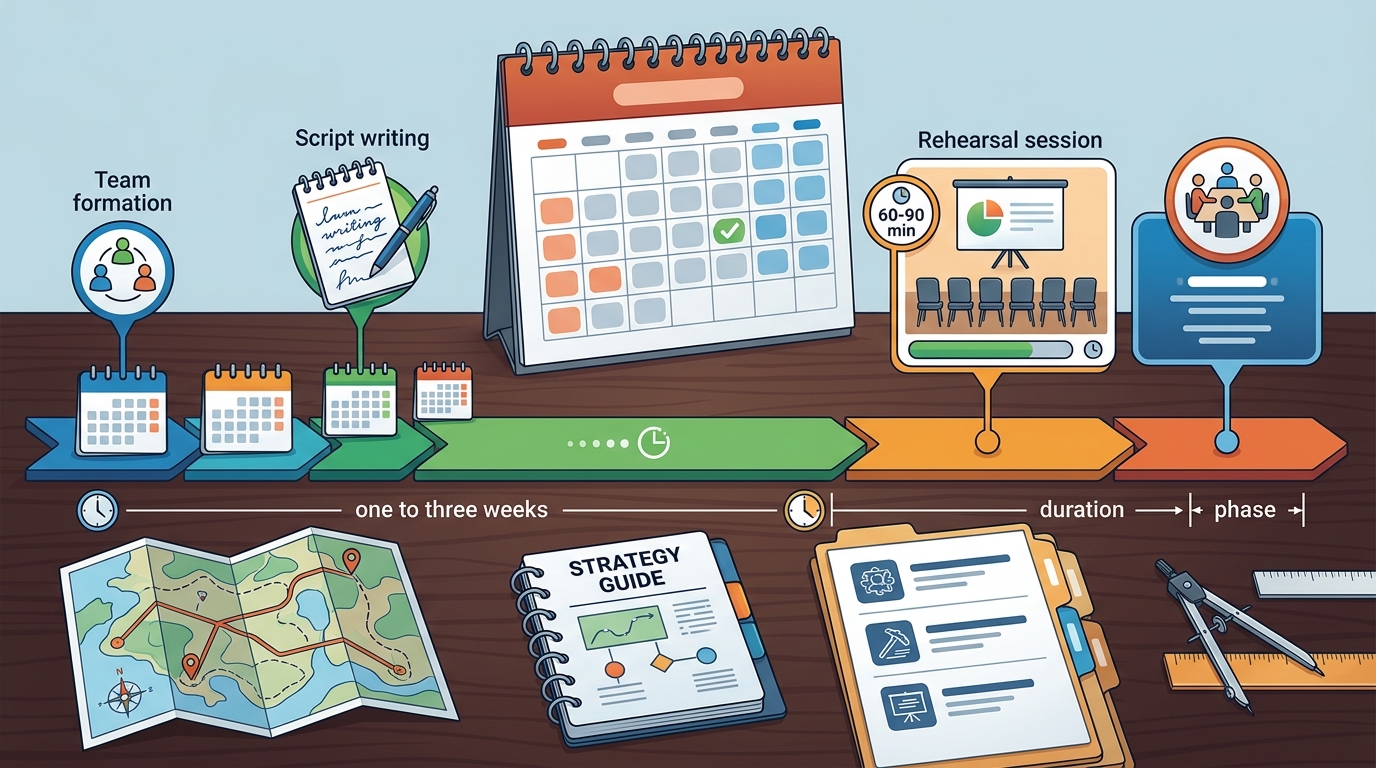
Most professional interventionists recommend a planning window of one to three weeks before the actual face-to-face meeting. While the intervention itself typically lasts between 60 and 90 minutes, the behind-the-scenes preparation demands considerably more time and attention. As one rehab resource explains, the planning process can take several weeks, even though the meeting itself may last an hour or less.
In emergency situations—when a person's life is at immediate risk—an experienced interventionist may compress planning into 48 to 72 hours. However, this accelerated timeline still includes every essential step; it simply moves faster because a crisis demands it.
The Five Phases of Intervention Planning
Breaking the process into distinct phases helps families see where their time goes and why each stage matters for safety.
Phase 1: Initial Consultation and Assessment (Days 1–3)
The clock starts the moment a family member picks up the phone. This phase involves contacting a qualified professional—whether a licensed interventionist, counselor, or social worker—and sharing background details about the person's substance use, mental health history, and family dynamics.
A professional interventionist will analyze the available information and provide recommendations to make the intervention more successful. They will assess whether co-occurring mental health conditions, a history of violence, or complicated family relationships require specialized intervention models such as the Johnson Model or the ARISE approach.
Phase 2: Assembling the Intervention Team (Days 3–7)
Choosing who participates is one of the most consequential decisions in the entire process. The team should consist of individuals who genuinely care about the person struggling with addiction and hold meaningful influence in their lives. Typically only close family members, friends, and sometimes coworkers should be included.
Equally important is who you exclude. Anyone currently struggling with their own active substance use should not participate, and individuals who are emotionally volatile or unable to follow the agreed-upon script can jeopardize the outcome.
Phase 3: Researching Treatment and Securing a Bed (Days 5–10)
Because the goal is for the individual to enter treatment immediately after saying yes, all logistics must be finalized in advance. This includes:
- Selecting a treatment facility matched to the person's specific needs
- Verifying insurance coverage and establishing a payment plan
- Confirming bed availability for the target intervention date
- Arranging transportation—sometimes a flight, sometimes a car ride with the interventionist
Having treatment arrangements locked in ensures there is no delay between acceptance and entry into care, eliminating the window where the individual might change their mind.
Phase 4: Writing Impact Statements and Rehearsal (Days 7–14)
Each participant prepares a personal letter—sometimes called an impact statement—expressing love, concern, and specific examples of how the addiction has affected them and others. Writing and rehearsing these statements ensures the conversation remains focused, compassionate, and productive.
The team then conducts at least one full rehearsal, ideally guided by the interventionist. A run-through allows everyone to get on the same page, identify weak spots, and manage emotions before the actual event. The interventionist coaches each person on what to say and, critically, what not to say.
Phase 5: Setting Boundaries and Finalizing Logistics (Days 10–14+)
Before the intervention can happen, every participant must agree on consequences if the individual refuses treatment. These boundaries might include severing financial support, ending enabling behaviors, or limiting contact. The specifics vary by family, but clarity and follow-through are non-negotiable.
Final logistics include choosing a neutral, private location free from distractions, selecting the optimal time of day (early mornings often work best, before the person begins using), and confirming every team member's availability.
Six Factors That Affect Planning Duration
Not every intervention follows an identical timeline. These variables can shorten or extend the planning window:
- Severity of addiction: People with more severe addiction may require additional planning to anticipate resistance and emotional escalation.
- Co-occurring mental health conditions: If your loved one has a history of mental health issues or has ever been violent, extra safety precautions and specialized professional involvement are essential.
- Geographic logistics: Coordinating team members across multiple cities or states adds travel planning time.
- Treatment availability: Waiting for a bed at a specific facility can delay the intervention date by days or even weeks.
- Family complexity: Estranged relationships, blended families, or unresolved conflicts among participants require additional mediation during the preparation phase.
- Intervention model: The Johnson Model may follow a more structured, time-defined process, while the ARISE model involves a graduated, less confrontational approach that can unfold over multiple sessions.
What About Emergency Interventions?
When there is an immediate safety risk—overdose history, suicidal ideation, or dangerous behavior—the planning timeline compresses significantly. Crisis intervention professionals can mobilize within 24 to 48 hours. In those first hours, the priority is to confirm the need, alert a trusted professional, and lock in a meeting date.
Even in emergencies, the core steps still occur: team selection, a brief rehearsal, treatment pre-arrangement, and boundary-setting. They simply happen in parallel rather than sequentially.
Why Rushing Can Be Dangerous
Families understandably want to act immediately, but a poorly executed intervention can have serious negative consequences. Without proper preparation:
- The conversation may devolve into an argument, reinforcing the individual's denial
- Participants may say something harmful in the heat of the moment
- There may be no treatment bed available, wasting the emotional momentum of a breakthrough
- The individual may feel ambushed rather than supported, damaging trust permanently
Taking the time to plan properly—even if it feels agonizing—dramatically increases the odds of success. When guided by a professional, interventions have a remarkably high success rate, with some studies indicating that over 90% of individuals agree to seek help.
Key Takeaways
- Standard intervention planning takes one to three weeks; the intervention itself typically lasts 60–90 minutes
- Emergency situations can compress the timeline to 48–72 hours with professional guidance
- Five distinct phases—assessment, team assembly, treatment research, statement writing, and logistics—must all be completed before the meeting
- Severity of addiction, co-occurring conditions, family dynamics, and treatment availability all influence timing
- A professional interventionist is strongly recommended, especially when mental health issues or a history of violence is involved
- Proper preparation is the single greatest predictor of a successful outcome
Frequently Asked Questions
Can an intervention be planned in one day?
In extreme emergencies, a highly experienced interventionist can compress planning into 24–48 hours, but this is not ideal. Every essential step—team coordination, treatment arrangement, and rehearsal—still needs to happen, just on an accelerated schedule.
How long does the actual intervention meeting last?
Most interventions last between 60 and 90 minutes, though more complex situations may extend longer depending on the individual's response and the severity of the addiction.
Do I need a professional interventionist to plan an intervention?
While families can attempt to plan independently, a professional brings impartiality, communication expertise, and access to treatment resources that significantly increase the likelihood of success. Professional guidance is especially critical when there is a history of violence, mental illness, or complicated family dynamics.
What happens if the person refuses treatment during the intervention?
Participants should have pre-established boundaries and consequences ready. Even if treatment does not happen immediately, a well-planned intervention can lay the groundwork for future acceptance. Ongoing follow-up is essential.
Should we tell the person about the intervention in advance?
In most models, the individual is not told about the meeting beforehand. However, the ARISE model involves the person earlier in the process with a less confrontational, graduated approach. Your interventionist will recommend the best strategy based on your specific situation.